
The Global Pressure for Smarter, Smaller Furniture Systems
As cities grow denser and logistics costs continue to rise, the demand for compact, easy-to-ship furniture has accelerated. Traditional designs, while aesthetic, are space-inefficient—both in use and in transport.
International buyers face mounting challenges:
-
High container utilization costs due to bulky frames.
-
Product damage from long-distance shipment.
-
Limited adaptability to different room layouts.
The modern export industry requires not only functional furniture but also logistically intelligent design—a space-saving approach that maintains comfort, style, and strength.
How Compact Furniture Is Engineered for Export
Compact furniture exporters use a combination of compression technology, flat-pack engineering, and lightweight materials to optimize every stage of production and shipment.
Key innovations include:
-
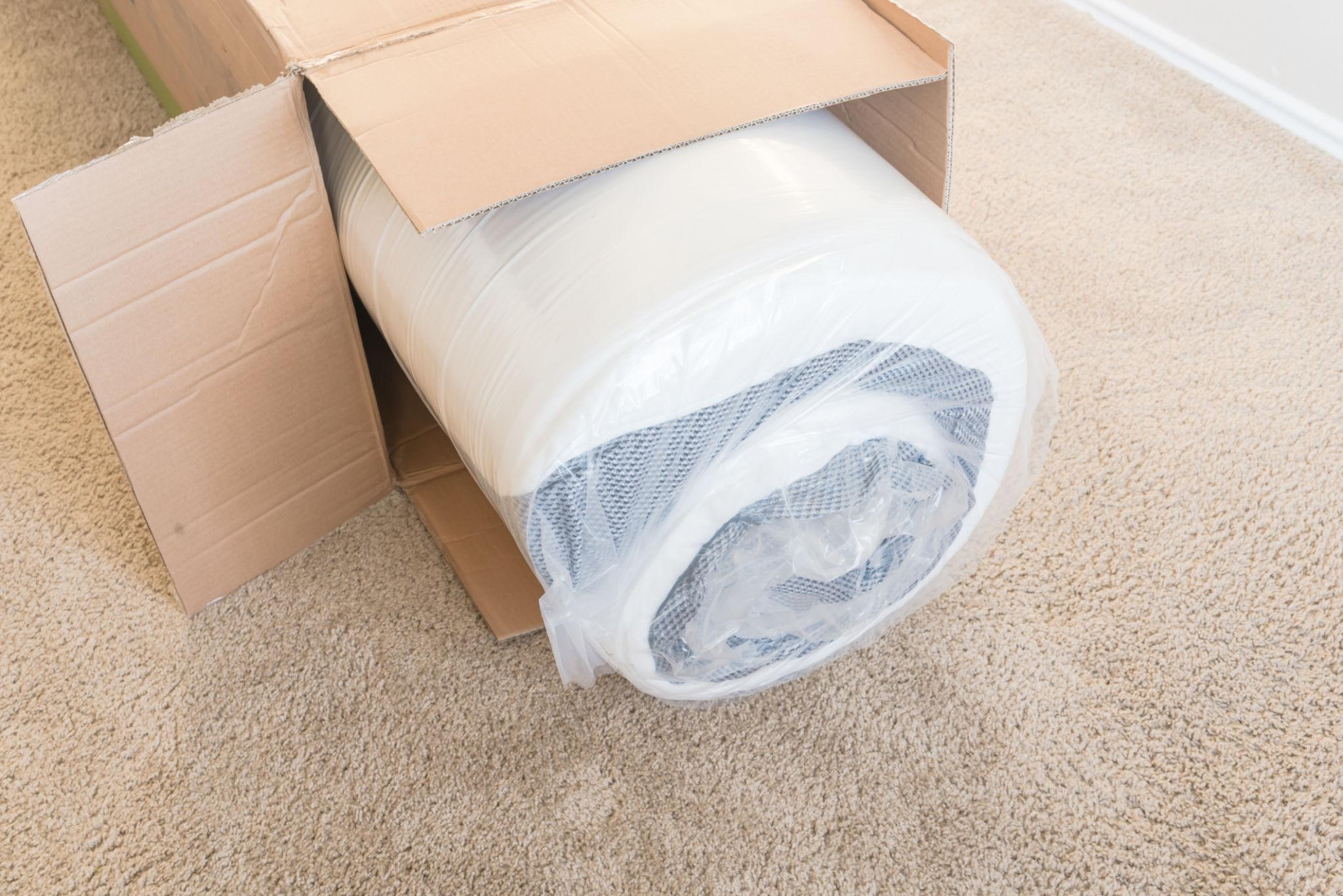
High-Density Foam Compression – Reduces packaging volume while preserving rebound comfort.
-
Flat-Pack Assembly Design – Modular frames that can be quickly installed without tools.
-
Vacuum-Sealed Protection – Keeps moisture and air exposure under control during long-distance transport.
-
Aluminum Alloy Structures – Replace solid wood for lighter weight and higher strength.
-
Digital Load Optimization – Smart algorithms calculate container efficiency for mixed shipments.
These processes ensure that every exported piece of furniture arrives intact, compact, and installation-ready.
Traditional vs. Compact Furniture Export Systems
| Feature | Conventional Furniture | Compact Furniture |
|---|---|---|
| Shipping Efficiency | Low, bulky packaging | High-density packaging, 60% less volume |
| Assembly Time | Pre-built, hard to transport | Modular, easy reassembly |
| Durability | Prone to damage in transit | Designed for compression and rebound |
| Sustainability | More packaging waste | Recyclable, eco-friendly film and components |
| Freight Cost | High due to volume weight | Reduced by optimized compression ratios |
This balance of performance and efficiency has made compact furniture exports a global trade standard, particularly in hospitality, e-commerce, and real estate furnishing.
The Factory-to-Destination Workflow
Our factory’s export process integrates engineering precision with logistics control at every phase:
-
Design Calibration – Layout and dimensions are digitally modeled for container optimization.
-
Material Preparation – Foam, fabric, and frame materials tested for compression tolerance.
-
Vacuum Compression – Furniture sealed under controlled temperature and humidity.
-
Container Planning – Algorithmic arrangement for maximum cubic efficiency.
-
Recovery Testing – Random sampling ensures rebound speed and comfort retention.
This data-driven system ensures every batch meets both technical and logistic performance metrics before global shipment.
Where Compact Furniture Delivers the Greatest Value
-
Hotels & Serviced Apartments – Flexible furnishing for high occupancy turnover.
-
E-commerce Fulfillment – Lighter shipments improve delivery speed and reduce return rates.
-
Student Dormitories – Compact, modular furniture minimizes setup time.
-
Corporate Projects – Professional aesthetics with transport-friendly design.
-
Prefab Housing Developments – Simplified assembly supports rapid deployment.
In each case, compact furniture allows global buyers to scale efficiently while maintaining brand quality and consistency.
Matching Compact Solutions to Business Needs
| Application | Recommended Product Type | Core Feature | Operational Benefit |
|---|---|---|---|
| Hospitality Projects | Vacuum-sealed modular sofa | Space-saving compression | Lower freight costs and faster installation |
| Residential Projects | Flat-pack compact furniture | Lightweight, easy to assemble | Suitable for multi-unit developments |
| Office Interiors | Modular lounge and chair systems | Ergonomic, durable frames | Long lifespan and professional design |
| Export E-commerce | Roll-packed sofa and mattress | Compact and resilient | Ideal for direct global shipping |
| Real Estate Developers | Custom compressed furniture kits | OEM branding options | Consistency across multiple properties |
By identifying usage priorities, buyers can make strategic sourcing decisions that align technical capability with cost efficiency.
Key Buyer Questions About Compact Furniture Exports
Q1: How do exporters maintain quality through long-distance shipping?
Each batch undergoes rebound, moisture, and vibration testing to ensure structural integrity after compression.
Q2: What are the typical lead times for export?
Average production-to-shipment cycle ranges from 25–35 days, depending on customization level.
Q3: Can compact furniture be branded for OEM clients?
Yes. We provide private labeling, custom packaging, and project-based branding options.
Q4: Are compressed furniture products suitable for tropical climates?
Yes. Our vacuum sealing and anti-moisture films ensure product stability even under high humidity conditions.
CV Castle: Compact Furniture Solutions for a Connected World
At CV Castle, we merge modular design, vacuum compression, and export logistics expertise to deliver truly global compact furniture solutions.
Our mission is to help partners save space, streamline operations, and expand internationally with confidence.
Explore our full range of compact solutions on the homepage or contact our export team via the Contact Us page for collaboration opportunities.