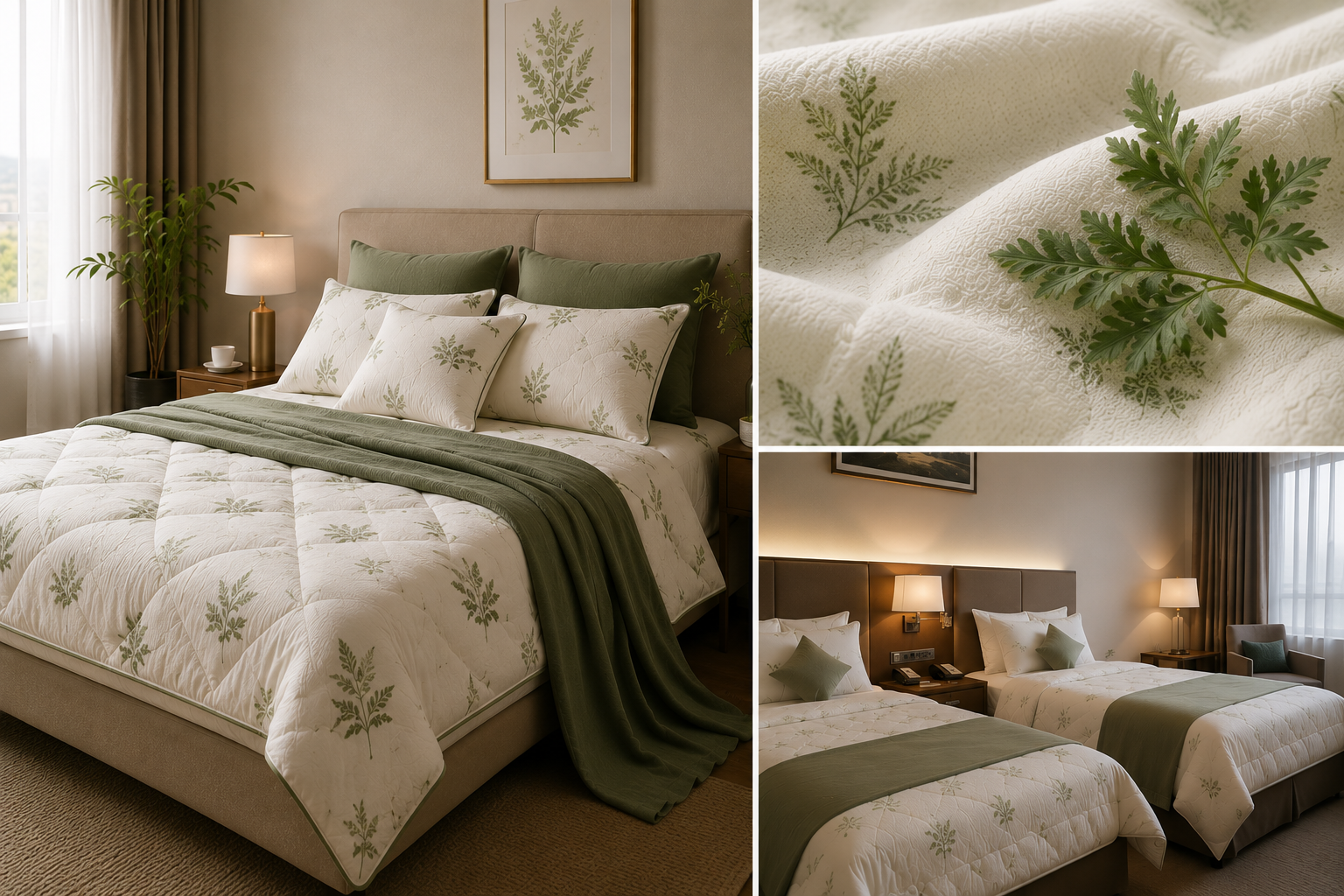


How Compressed Furniture Suppliers Drive Global Supply Chain Efficiency
The New Challenge in Furniture Manufacturing: Space, Speed, and Sustainability
The furniture industry is under growing pressure to balance production speed, freight cost, and environmental responsibility. Traditional full-size furniture requires oversized packaging and occupies half of available container space, raising costs for retailers, developers, and hospitality chains.
Compressed furniture suppliers have become strategic partners in solving this equation — integrating compression systems, modular design, and packaging innovation to enable faster delivery, lower carbon output, and scalable customization for global buyers.
Engineering Systems Behind Compressed Furniture
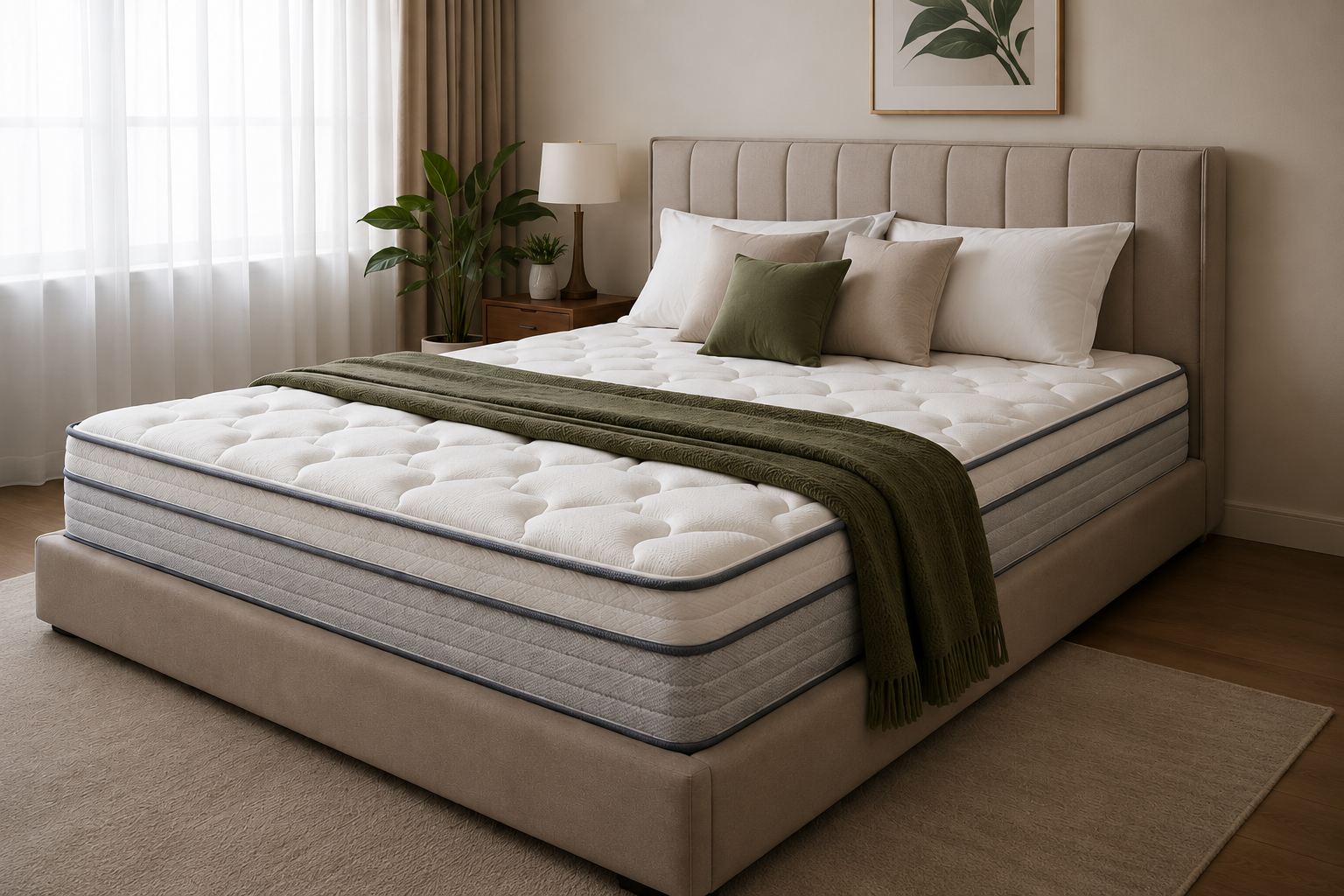
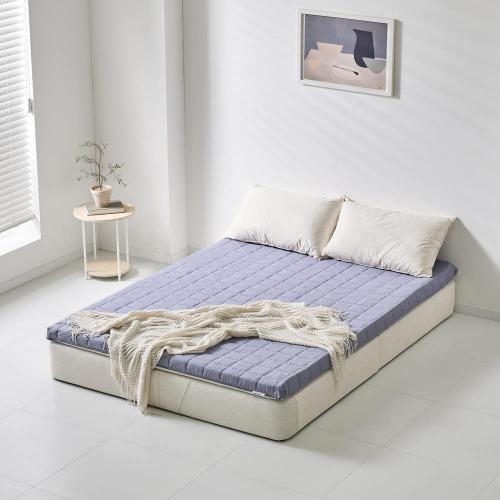
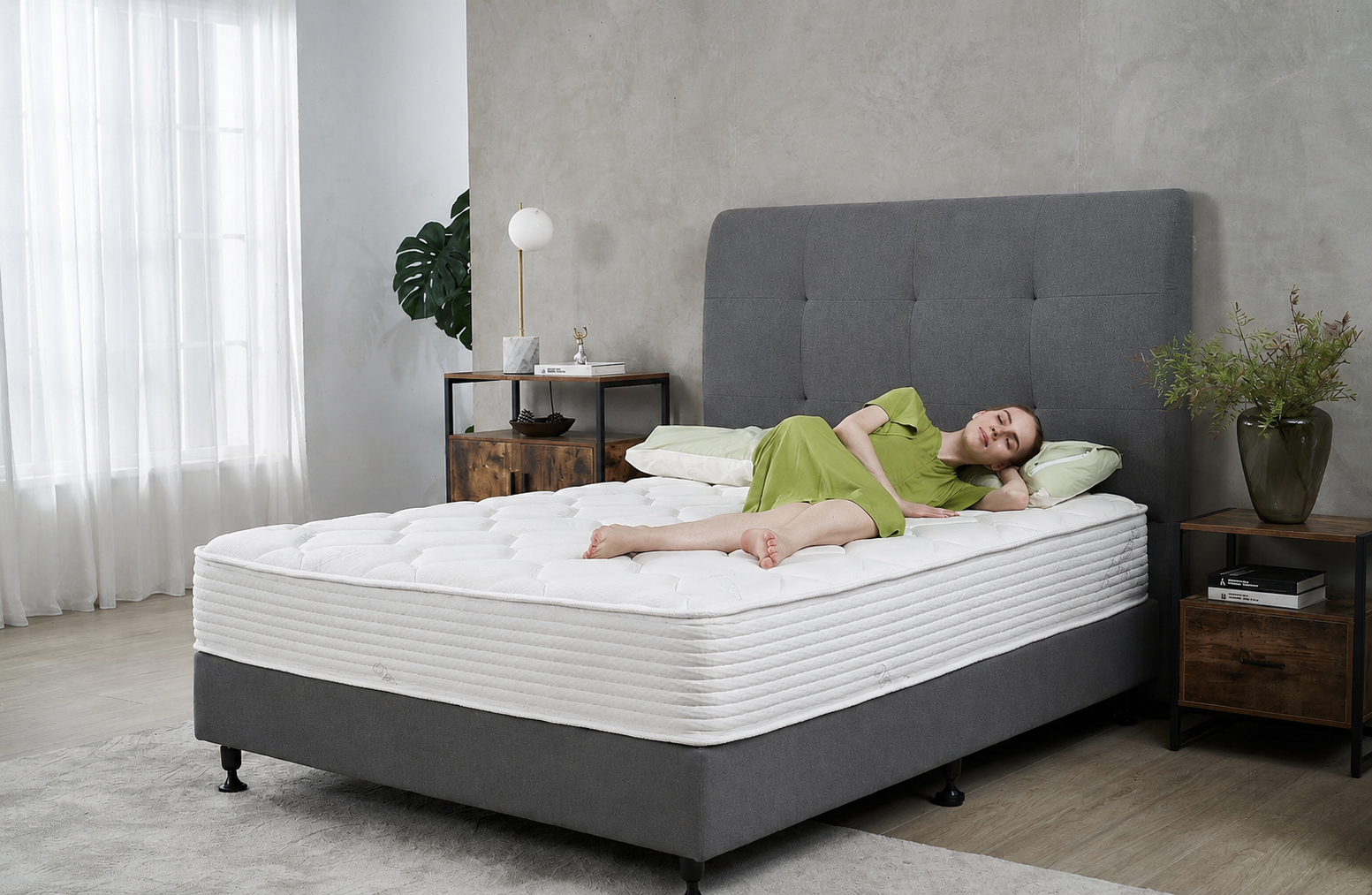
Unlike conventional manufacturing, compression-based production involves precision engineering across multiple categories — sofas, mattresses, and modular units.
-
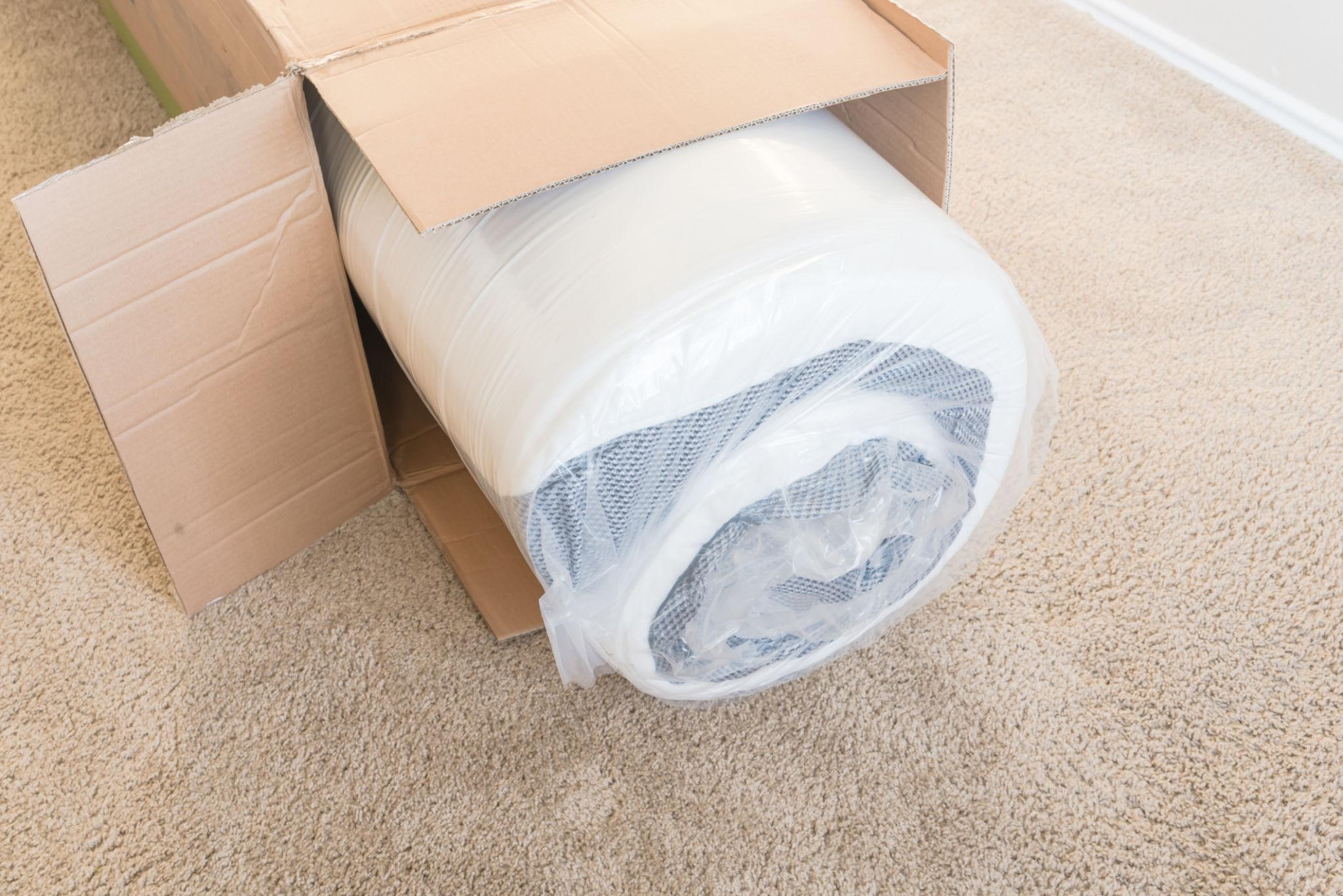
Vacuum compression platforms minimize volume by up to 70% across diverse materials.
-
Reinforced frame design ensures structural integrity after decompression.
-
Foam calibration technology maintains rebound resilience and comfort levels.
-
Sealable protective barriers shield components from moisture and impact during shipment.
Each furniture piece is designed to be not only compressed but recoverable, preserving both function and aesthetics even after international transport and long-term storage.
From Factory to Freight: Quantifying the Operational Benefits
| Metric | Conventional Supply Chain | Compressed Furniture Supply Chain |
|---|---|---|
| Container Utilization | 50–55% | 90–95% |
| Assembly Time | 30–45 mins/unit | <10 mins/unit |
| Carbon Emissions per Shipment | High | Up to 40% lower |
| Storage Costs | Expensive | 45% space saved |
| Packaging Waste | Heavy cardboard | Recyclable thin-film systems |
The transformation lies not in the product alone, but in a systematic rethinking of manufacturing, packaging, and global freight planning.
Integrated Manufacturing: How CVCastle Enables Global Scale
As a professional compressed furniture supplier, CVCastle applies an integrated OEM system that combines precision design with global logistics planning.
-
CAD-based modular design allows customization by project type — hotel, residential, or retail.
-
Automated compression lines ensure consistent vacuum ratios and uniform recovery rates.
-
Batch-level traceability links production, packaging, and container optimization data.
-
Global quality alignment meets ISO9001 and REACH export standards.
This closed-loop process ensures that every piece — from sofa to bed frame — maintains consistent performance and appearance across international projects.
Sustainability as a Core Operational Advantage
Compression technology isn’t just about efficiency; it’s about ecological responsibility.
-
Reduced CO₂ emissions: Fewer containers per shipment mean fewer transport cycles.
-
Optimized material usage: Foam and wood cutting guided by digital models reduce waste.
-
Reusable packaging materials: Thin, recyclable films replace bulky cartons.
-
Energy-efficient production: Automated systems cut factory power consumption by 20%.
These efforts reflect the growing demand for green procurement and sustainable project execution in global construction and hospitality sectors.
Applications Across Sectors and Scale
Compressed furniture systems bring measurable value across industries:
-
Hospitality Renovation: Quick setup, minimal downtime, consistent comfort.
-
Serviced Apartments: Lightweight modular structures for flexible layouts.
-
Student Housing & Co-Living: Efficient storage and fast deployment.
-
E-Commerce Fulfillment: Optimized for small-parcel logistics networks.
-
Corporate Interiors: Scalable modular units adaptable to dynamic office spaces.
Each use case benefits from modular compression — faster delivery, lower costs, and sustainable lifecycle management.
Selecting the Right Compressed Furniture Partner
When evaluating suppliers, buyers should prioritize:
-
Multi-category expertise: Capability to produce sofas, mattresses, and panels under one system.
-
Compression ratio precision: Proven recovery performance and material testing.
-
OEM customization: Support for brand-level design integration.
-
Global logistics coordination: Experience with export compliance and container optimization.
-
After-sales reliability: Warranty coverage and batch traceability.
A supplier that controls every step — from design to delivery — ensures stability, accountability, and efficiency for long-term cooperation.
Key Questions Buyers Ask Before Partnering with CVCastle
Q1: Which product categories can CVCastle compress and export?
We provide complete compressed furniture lines, including sofas, mattresses, cushions, and modular seating systems.
Q2: How does CVCastle maintain consistent rebound and structure?
Each item passes multi-cycle compression tests and density calibration to ensure shape and comfort restoration after unpacking.
Q3: Can clients request project-based customization?
Yes — we offer OEM and ODM services for dimension, fabric, structure, and compression ratio adjustment to fit project requirements.
Q4: What’s the typical lead time for global shipments?
Most projects are completed within 30–40 days, including prototype validation, compression testing, and export packaging.
Building a Smarter, Leaner Furniture Supply Chain
Compressed furniture has evolved from a packaging innovation into a supply chain revolution.
By combining design flexibility, mechanical precision, and sustainable production, CVCastle helps global brands reduce logistics costs, accelerate installation, and achieve carbon-conscious growth.
To explore OEM compressed furniture solutions or discuss project requirements, visit CVCastle’s homepage or contact us here.