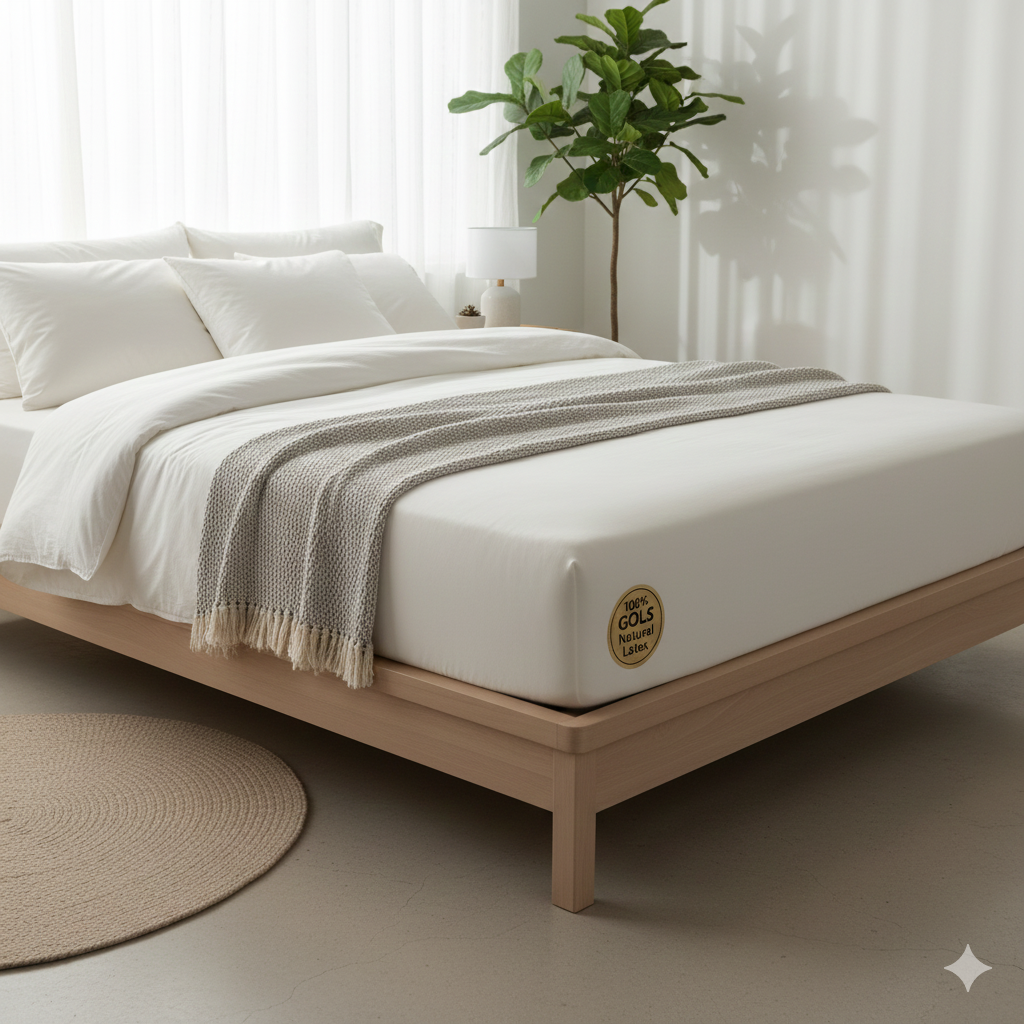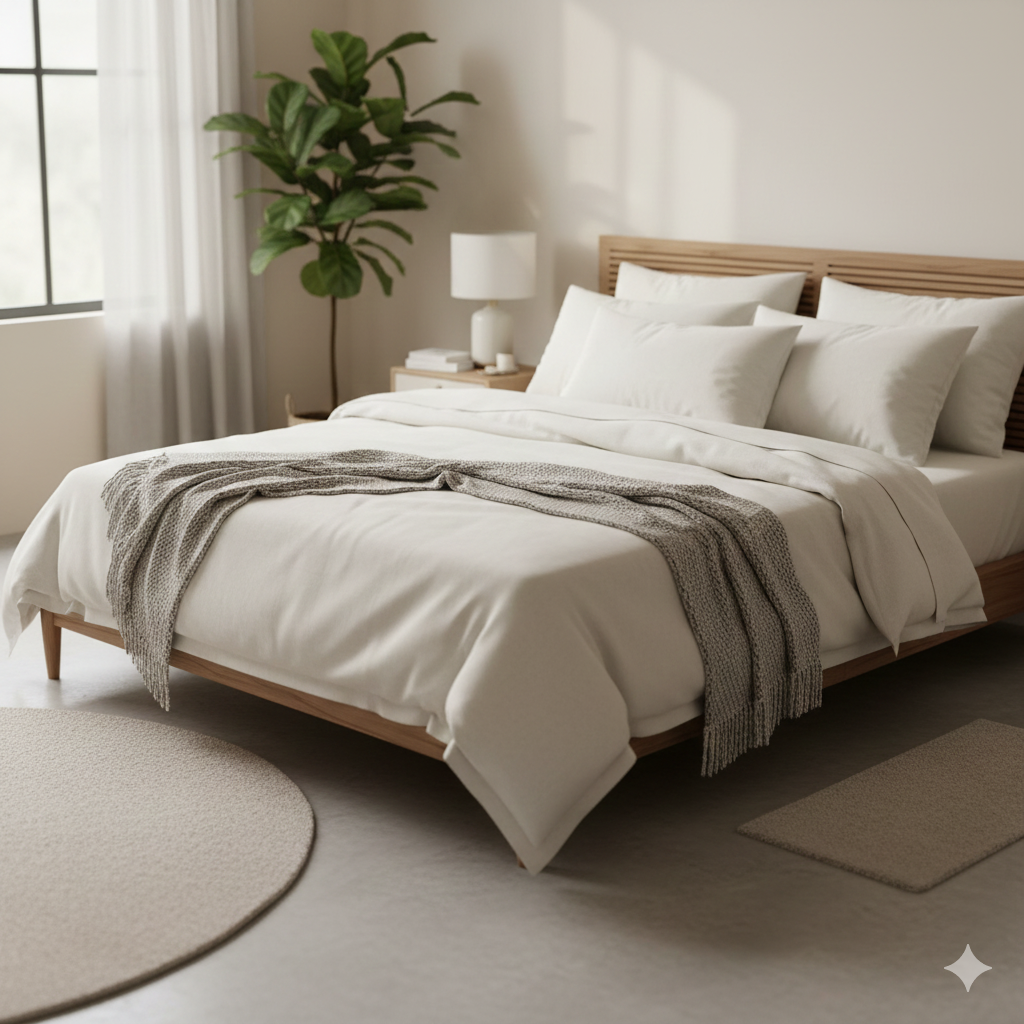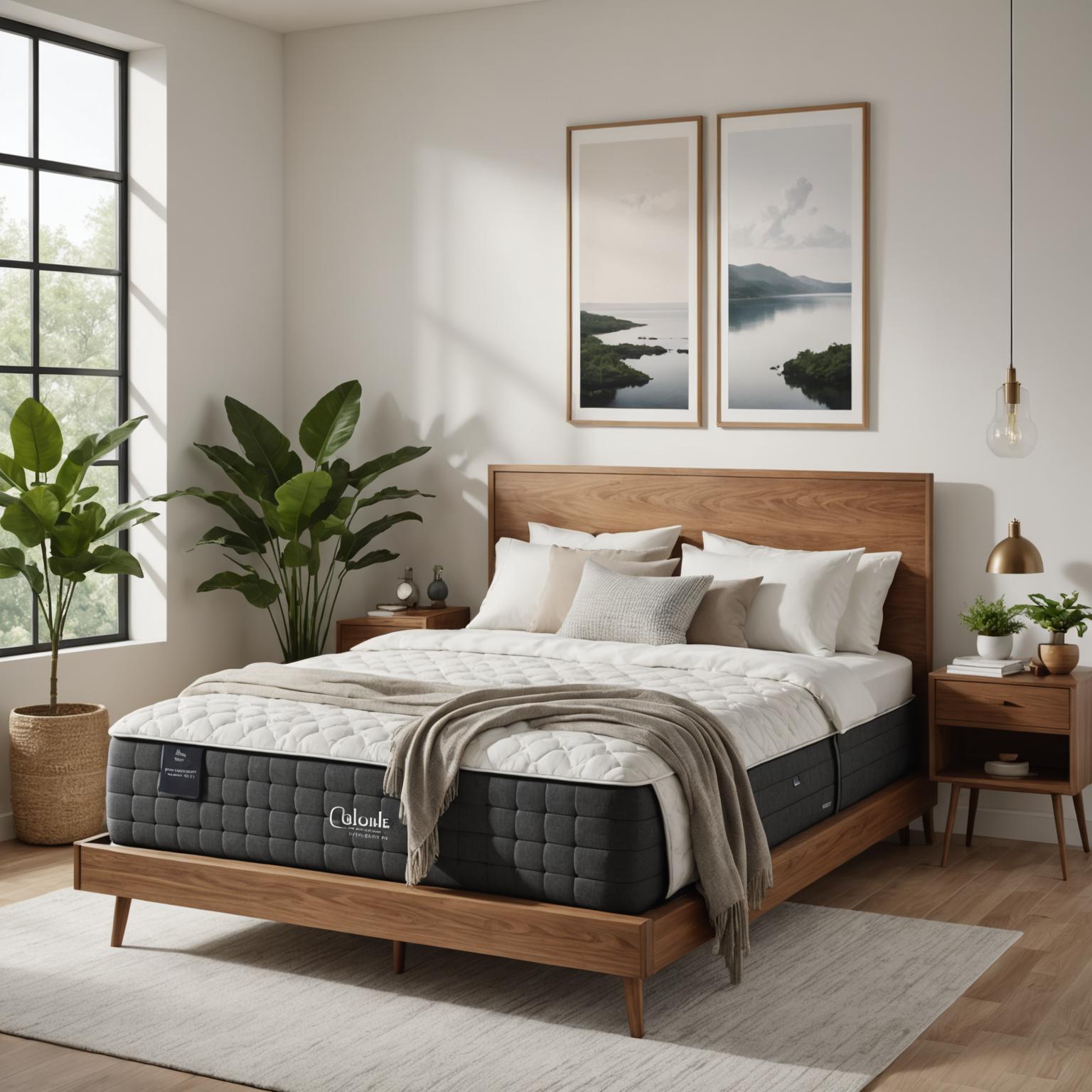
Breathable Linen Mattress Fabric: Enhancing Comfort, Airflow, and Long-Term Sleep Quality
Mattress comfort is often discussed in terms of softness or support.
Yet in real-world use—especially in warm or humid environments—breathability becomes just as decisive.
This is why breathable linen mattress fabric is increasingly selected not as a decorative textile, but as a functional material layer. For mattress manufacturers and distributors, linen addresses airflow, moisture management, and long-term comfort stability—key concerns in markets where sleep quality and hygiene expectations continue to rise. These material-driven decisions are increasingly reflected in mattress systems developed by suppliers featured on the CV Castle homepage.
Why Breathability Has Become a Core Mattress Requirement
Modern sleep environments trap more heat than before.
Dense foams, layered constructions, and insulated living spaces reduce natural airflow, leading to heat buildup and moisture retention.
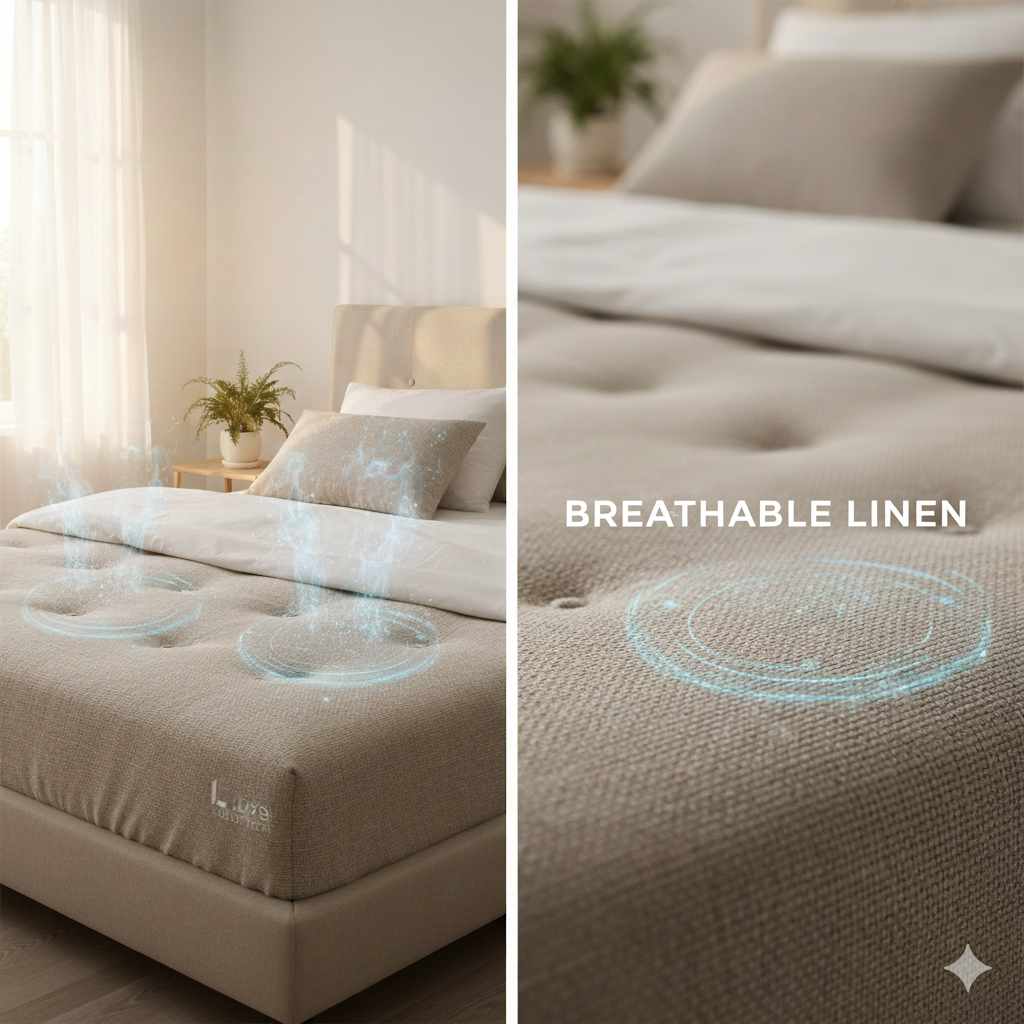
When mattress fabrics fail to release heat and humidity efficiently, comfort deteriorates—even if internal support remains unchanged. Breathable linen fabric helps mitigate this by allowing air to circulate across the mattress surface rather than sealing it in.
For B2B buyers, this translates into fewer comfort complaints linked to temperature rather than structure.
How Linen Fiber Structure Supports Airflow and Moisture Control
Linen is derived from flax fibers, which naturally feature a hollow, irregular structure. This characteristic allows linen to outperform many synthetic fabrics in breathability without requiring chemical treatments.
In mattress applications, linen fabric:
-
Promotes continuous airflow across the sleeping surface
-
Absorbs moisture quickly and releases it efficiently
-
Remains cool to the touch even in warm conditions
Unlike tightly woven synthetics, linen does not rely on coatings to achieve these effects. Its performance is inherent to the fiber itself.
Comfort Stability Over Time: An Overlooked Advantage
Many mattress fabrics feel breathable when new. Fewer remain breathable after prolonged use.
Linen’s durability allows it to maintain fiber integrity and airflow performance even after repeated friction and pressure. This helps prevent the gradual “sealed surface” effect seen in lower-quality fabrics, where breathability diminishes over time.
For mattresses intended for frequent use—such as those supplied to hospitality, rental housing, or high-turnover residential markets—this stability becomes a long-term value factor rather than a short-term selling point.
One Table Buyers Need: Linen vs Common Mattress Fabrics
| Evaluation Factor | Linen Mattress Fabric | Synthetic Knit Fabric | Cotton Fabric |
|---|---|---|---|
| Breathability | Excellent | Moderate | Good |
| Moisture Release | Fast | Slower | Moderate |
| Heat Retention | Low | Higher | Medium |
| Long-Term Airflow Stability | High | Variable | Variable |
| Positioning | Natural, premium | Cost-efficient | Traditional |
This comparison highlights why linen fabric is often chosen when airflow and comfort consistency matter more than initial softness alone.
Where Breathable Linen Mattress Fabric Performs Best
Breathable linen mattress fabric is particularly effective in:
-
Warm or humid climates
-
Apartments with limited natural ventilation
-
Hotels and serviced residences prioritizing sleep comfort
-
Mattress lines positioned around natural or wellness-oriented materials
It is less commonly used in entry-level mattresses focused purely on cost, where synthetic fabrics may be more economical despite reduced breathability.
Integration with Modern Mattress Structures
Linen fabric works well with both foam and pocket spring mattresses. When paired with breathable comfort layers, it helps maintain balanced temperature regulation throughout the night.
In compressed or roll-packed mattresses, linen also offers dimensional stability, resisting excessive stretching during packaging and recovery. For B2B buyers sourcing compressed mattresses, verifying fabric resilience under compression is an important but often overlooked step.
What Buyers Should Clarify with Fabric and Mattress Suppliers
Before specifying breathable linen mattress fabric, buyers should confirm:
-
Fiber composition and weave density
-
Abrasion resistance and pilling performance
-
Colorfastness and long-term surface stability
-
Compatibility with compression or roll-pack processes
Suppliers who can document these factors transparently typically integrate linen as part of a system—not as a superficial upgrade.
From Fabric Choice to Sleep Experience
Choosing breathable linen mattress fabric is not simply an aesthetic decision.
It shapes how heat, moisture, and comfort are managed night after night.
For mattress brands and distributors, linen provides a credible way to improve sleep experience through material science rather than marketing claims. This system-level thinking—balancing structure, comfort layers, and surface textiles—is increasingly evident among manufacturers presenting holistic mattress solutions across the CV Castle official website.
Final Perspective: Breathability That Holds Up in Real Use
Breathable linen mattress fabric delivers value where it matters most—during extended, everyday use.
By improving airflow, regulating moisture, and maintaining performance over time, linen helps mattresses remain comfortable across changing seasons and environments. For B2B buyers evaluating fabric options for bulk production or private-label programs, discussing linen specifications and testing data early can ensure that breathability becomes a reliable feature rather than a fading promise.
You can begin that evaluation directly via the CV Castle Contact Us page to determine whether breathable linen fabric aligns with your mattress design and market positioning.