
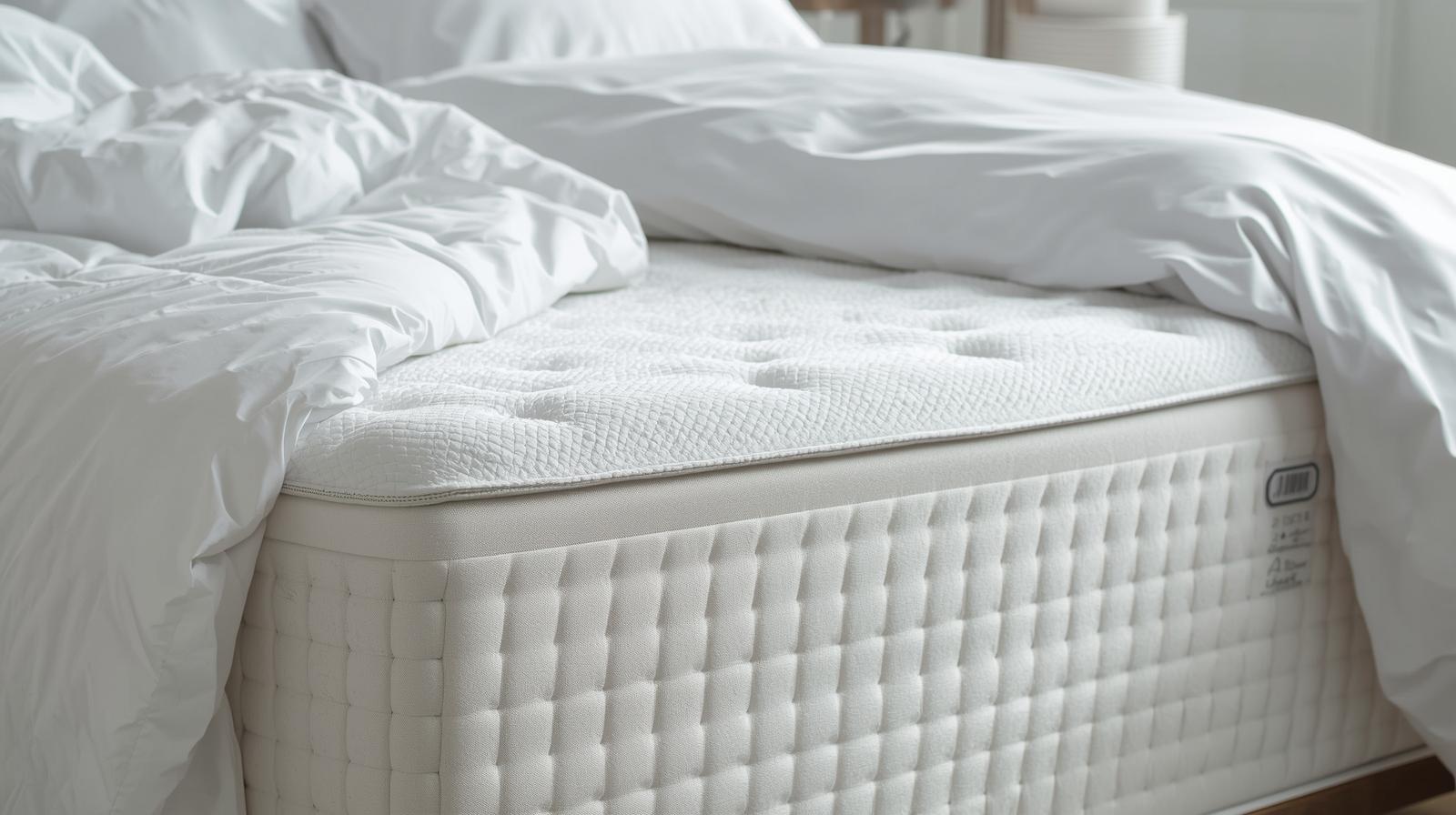
Five Zone Pocket Spring Mattress: Targeted Support for Scalable Sleep Solutions
Mattress sourcing decisions rarely fail because of aesthetics.
They fail because support degrades, comfort becomes inconsistent, or returns rise months after launch.
This is where the five zone pocket spring mattress has gained traction—not as a luxury feature, but as a structural response to uneven load distribution across the human body. For brands and distributors managing volume, zoning is less about theory and more about repeatable performance.
That distinction matters when products must travel far, store compactly, and perform consistently at scale—capabilities increasingly highlighted by manufacturers building integrated mattress systems, such as those presented on the CV Castle homepage.
Why Zoning Exists in Pocket Spring Mattresses
Human weight is not distributed evenly. Shoulders and hips apply more pressure than the head or lower legs.
Uniform spring systems treat these zones the same. Zoned systems do not.
A five zone pocket spring mattress divides the sleep surface into distinct support regions, each calibrated for typical pressure loads. This structure allows heavier zones to receive firmer resistance while lighter zones remain responsive rather than rigid.
The result is not exaggerated firmness. It is balanced alignment—and alignment, in mattress performance, determines whether comfort stabilizes or deteriorates over time.
How Five-Zone Pocket Springs Actually Work
Each spring in a five zone system is individually wrapped and tuned according to its position.
That independence matters.
Instead of force traveling laterally across the mattress, pressure is absorbed locally. Over time, this reduces the risk of broad sagging and minimizes motion transfer—two common drivers of customer dissatisfaction.
From a manufacturing standpoint, zoning also introduces control. Spring wire gauge, coil count, and compression resistance can be adjusted by region rather than averaged across the entire mattress.
Control reduces variability. Variability increases returns.
Where Five-Zone Structures Add the Most Value
Not every mattress benefits equally from zoning.
Five zone pocket spring mattresses are most effective when:
-
The mattress targets broad user groups with varied body types
-
Long-term support consistency matters more than initial softness
-
Products must maintain performance after compression and shipping
-
Brand positioning requires ergonomic credibility without custom fitting
In contrast, single-zone or simplified spring systems may suffice for low-cost, short-lifecycle products where longevity is not a primary concern.
One Table Buyers Need: Zoned vs Non-Zoned Pocket Spring Mattresses
| Evaluation Factor | Five Zone Pocket Spring Mattress | Standard Pocket Spring Mattress |
|---|---|---|
| Body Support Distribution | Targeted by region | Uniform |
| Spinal Alignment Stability | Higher | Moderate |
| Long-Term Sag Resistance | Improved | Variable |
| Motion Isolation | Excellent | Good |
| Manufacturing Control | Region-specific tuning | Global average tuning |
This table reflects procurement realities. Zoned systems offer better control over outcomes, not just improved marketing language.
Integration with Comfort Layers Matters More Than Spring Count
A common misconception is that spring zoning alone determines mattress quality.
It does not.
Five zone pocket springs must be paired with compatible comfort layers—such as elastic foam or natural latex—to function as intended. If surface layers are too soft, zoning becomes muted. If they are too rigid, pressure points reappear.
Successful five zone mattresses treat springs as the foundation, not the headline.
Compression and Recovery: What Buyers Should Verify
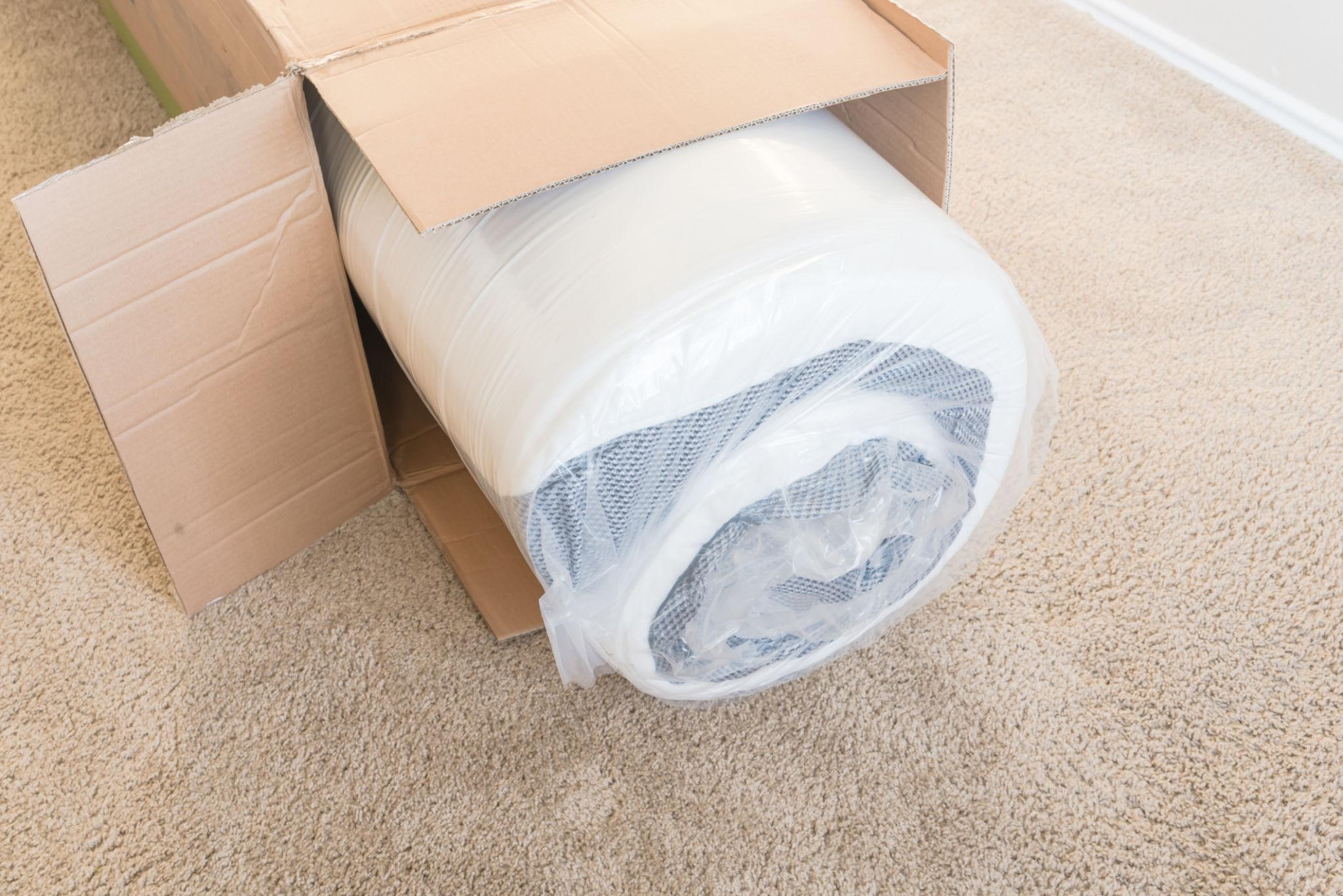
Many five zone pocket spring mattresses are designed for compressed packaging.
That introduces additional scrutiny points.
Buyers should confirm:
-
Whether zoned springs recover uniformly after decompression
-
How long full structural stabilization takes post-unpacking
-
Whether zoning performance is tested after extended storage
When recovery behavior varies by zone, support symmetry can be compromised. Reliable manufacturers test recovery not just visually, but mechanically—before products ever reach the market.
From Product Feature to Supply-Chain Decision
Choosing a five zone pocket spring mattress is not simply about ergonomic claims.
It is about reducing performance variance at scale.
For B2B buyers managing multiple regions or channels, zoning acts as a stabilizer. It narrows the gap between expectation and experience, which ultimately protects brand reputation and reduces post-sale friction.
Manufacturers that present zoning as part of a complete mattress system—rather than a standalone upgrade—tend to deliver more predictable results, a principle reflected in vertically integrated approaches showcased across the CV Castle official website.
Final Perspective: Zoned Support as a Long-Term Strategy
Five zone pocket spring mattresses succeed when they are treated as engineered systems, not feature checklists.
When spring zoning, comfort layers, and compression behavior are aligned, these mattresses offer reliable support, consistent recovery, and scalable logistics efficiency. When they are not, zoning becomes little more than a label.
For buyers evaluating mattress structures for bulk sourcing, OEM development, or cross-border distribution, discussing zoning logic, testing protocols, and recovery standards early can prevent costly corrections later.
You can initiate that evaluation directly via the CV Castle Contact Us page to explore whether five zone pocket spring construction fits your product strategy.