
Needle Punched Cotton Isolation Layer: Structural Stability and Pressure Separation for OEM Mattress Systems
Many mattress failures do not start from the comfort layer.
They begin inside the structure—where pressure transfer, friction, and material instability gradually weaken the system.
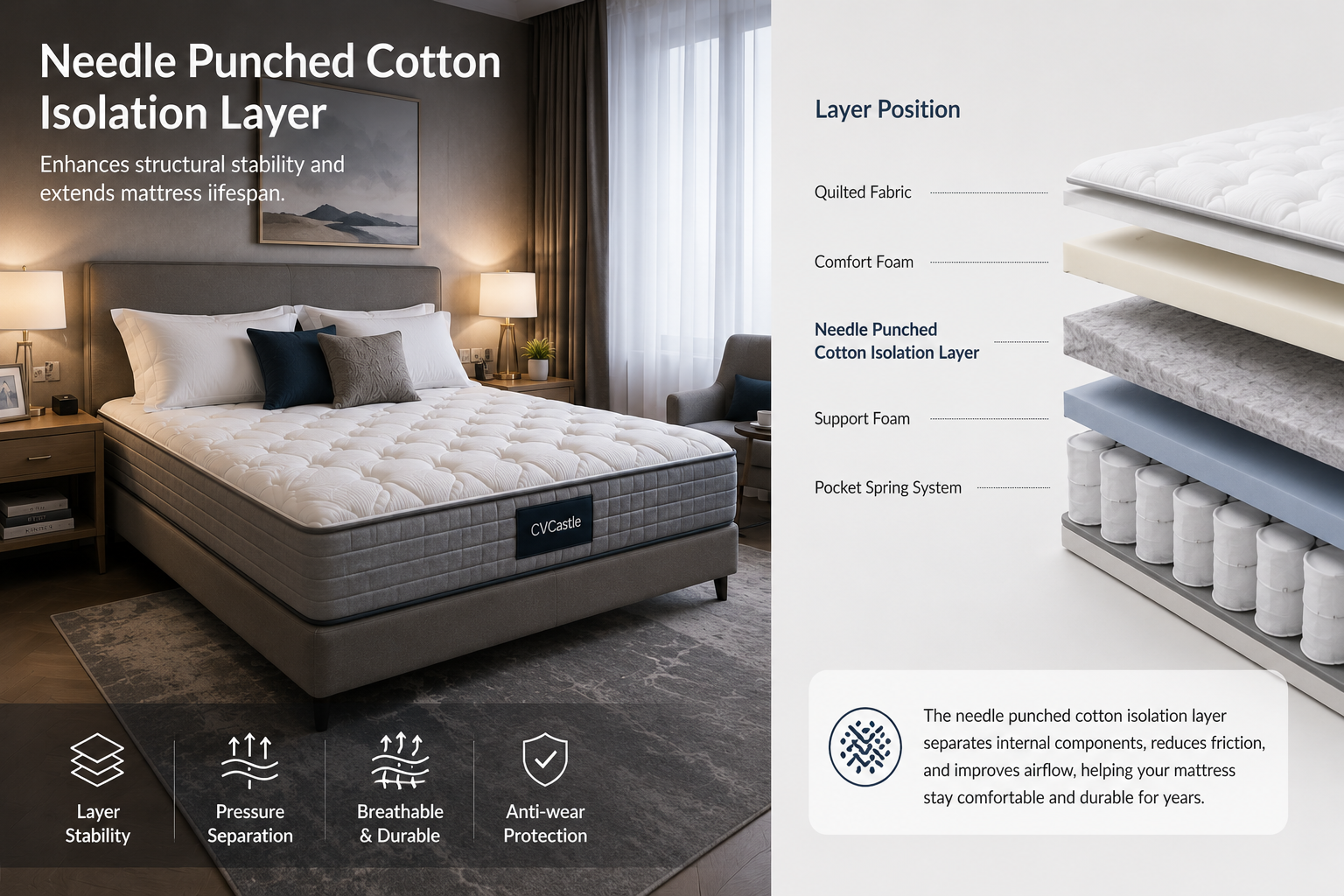
A needle punched cotton isolation layer is used to separate structural components, stabilize load distribution, and reduce internal wear over long-term use.
Where Structural Problems Usually Appear
In OEM mattress production, common structural issues include:
- Uneven pressure transfer between layers
- Spring friction damaging upper materials
- Foam deformation under repeated load
- Reduced airflow inside dense structures
These problems become more severe in compressed export mattresses and high-rotation hospitality environments.
Why Needle Punched Cotton Performs Differently
Needle punching creates a dense and mechanically bonded fiber structure without relying on chemical adhesion.
This improves:
- Layer stability
- Tensile strength
- Air permeability
- Pressure separation performance
As a result, a needle punched cotton isolation layer helps maintain structural consistency even after repeated compression and recovery cycles.
Isolation Layer vs Standard Separation Materials
| Factor | Needle Punched Cotton Isolation Layer | Standard Non-woven Layer |
|---|---|---|
| Structural Stability | +20%–35% | Standard |
| Airflow Performance | +15%–25% | Lower |
| Pressure Distribution | More Even | Variable |
| Deformation Resistance | Higher | Lower |
| Long-Term Durability | +20%–30% | Standard |
Structure Integration: Where the Layer Actually Works
An isolation layer is not visible to end users, but it directly affects mattress lifespan.
It is typically positioned:
- Between spring systems and foam layers
- Between support and comfort sections
- Under quilted surface structures
A properly engineered needle punched cotton isolation layer prevents internal component interaction from turning into long-term structural damage.
ToB Advantage: Why OEM Buyers Specify Isolation Layers
For OEM manufacturers and distributors:
- Reduced internal wear between mattress layers
- Lower return rates caused by deformation
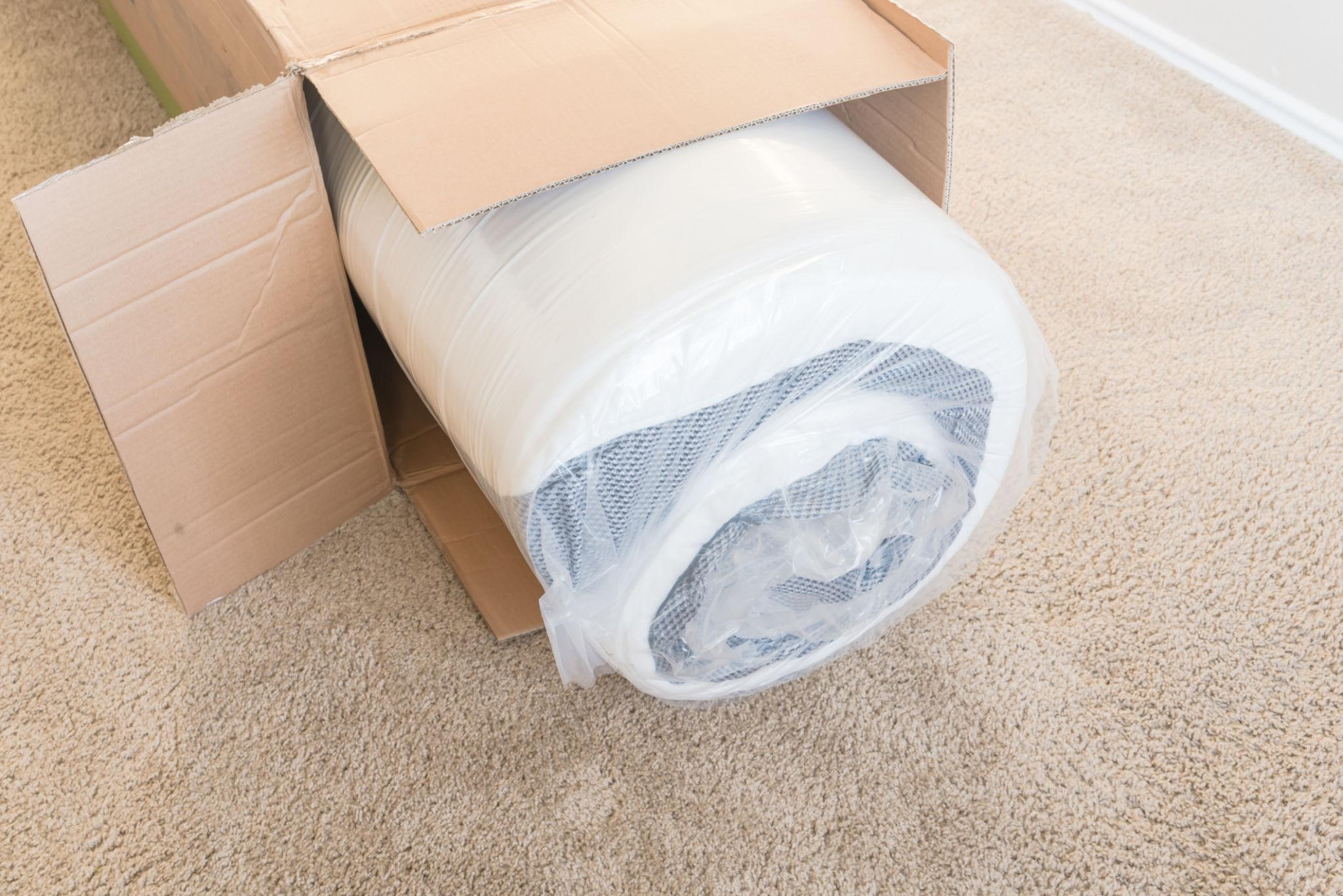
- Improved recovery after compression packaging
- Better structural consistency across production batches
This makes isolation-layer engineering a long-term cost-control strategy rather than an invisible material upgrade.
Application Scenarios
This material is widely used in:
- Pocket spring mattresses
- Compressed export mattress systems
- Hotel and rental bedding products
- Multi-layer comfort mattresses
In these systems, internal stability directly affects durability and comfort consistency.
OEM Procurement: MOQ, Lead Time, and Customization
Based on CV Castle’s OEM production capability:
- MOQ: 50 units per specification
- Lead Time: 15–20 days
- Customization Options:
- Layer thickness and density
- Fiber composition
- Compression compatibility
- Multi-layer structural integration
These factors determine how effectively the isolation layer performs under long-term pressure.
Risk Points Buyers Often Ignore
Common sourcing problems include:
- Low-density fiber structures collapsing over time
- Poor bonding between isolation and support layers
- Weak airflow causing heat buildup
- Structural instability after repeated compression
A reliable needle punched cotton isolation layer is validated through durability and recovery testing—not visual inspection alone.
Final Perspective
Comfort layers attract attention.
Isolation layers protect the structure underneath.
A properly engineered mattress system depends on internal stability, pressure separation, and long-term durability to maintain performance across hospitality, residential, and export markets.
To explore full mattress materials and OEM solutions, visit
👉 https://www.cvcastle.com/
For OEM customization, MOQ, and sourcing support, contact
👉 https://www.cvcastle.com/contact-us