
Antibacterial Compressed Bedding: Hygienic Packaging Solutions for OEM and Hospitality Supply
Bedding products spend more time in storage and transport than many buyers realize. During this process, moisture retention, fabric contamination, and packaging pressure can create long-term hygiene risks.
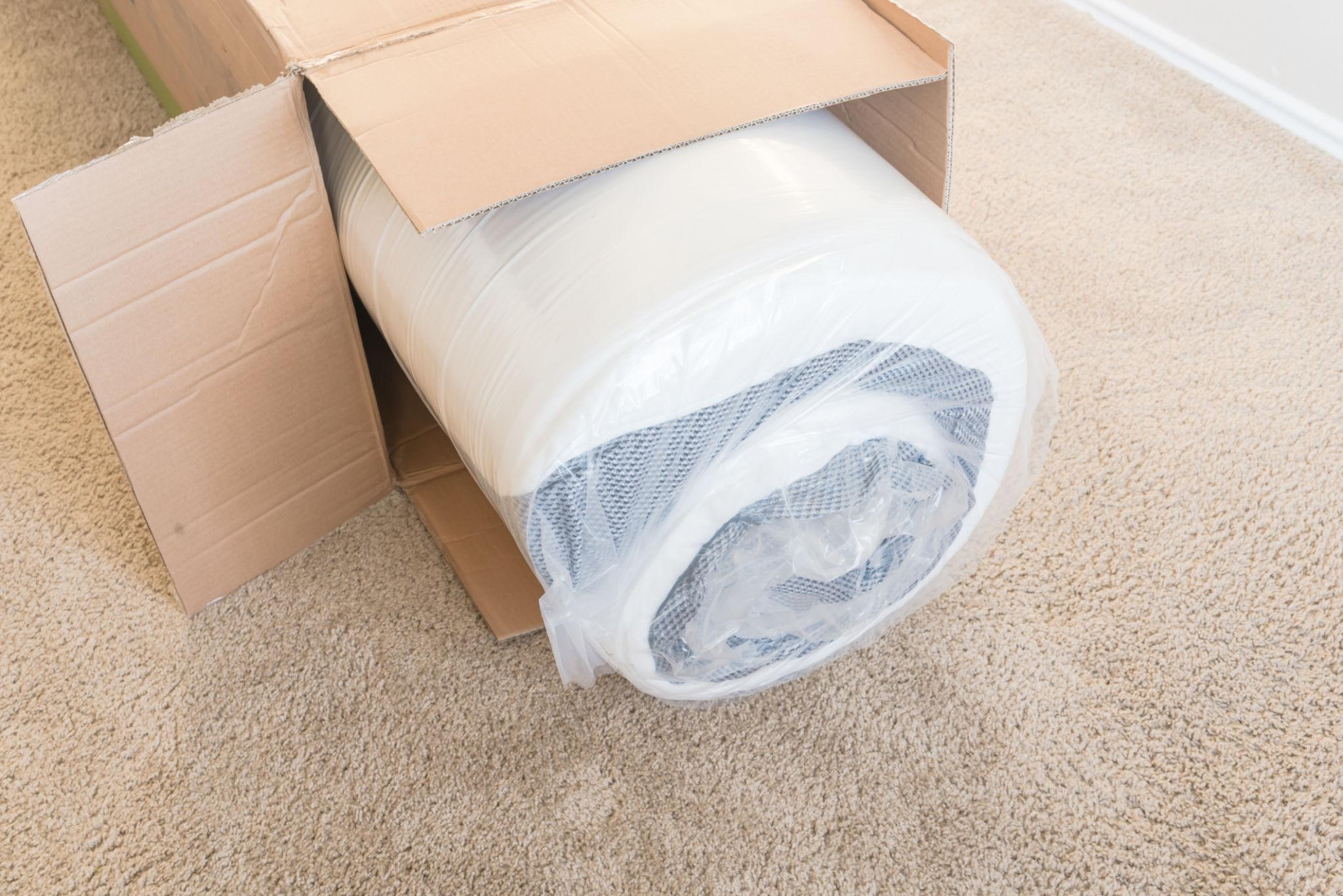
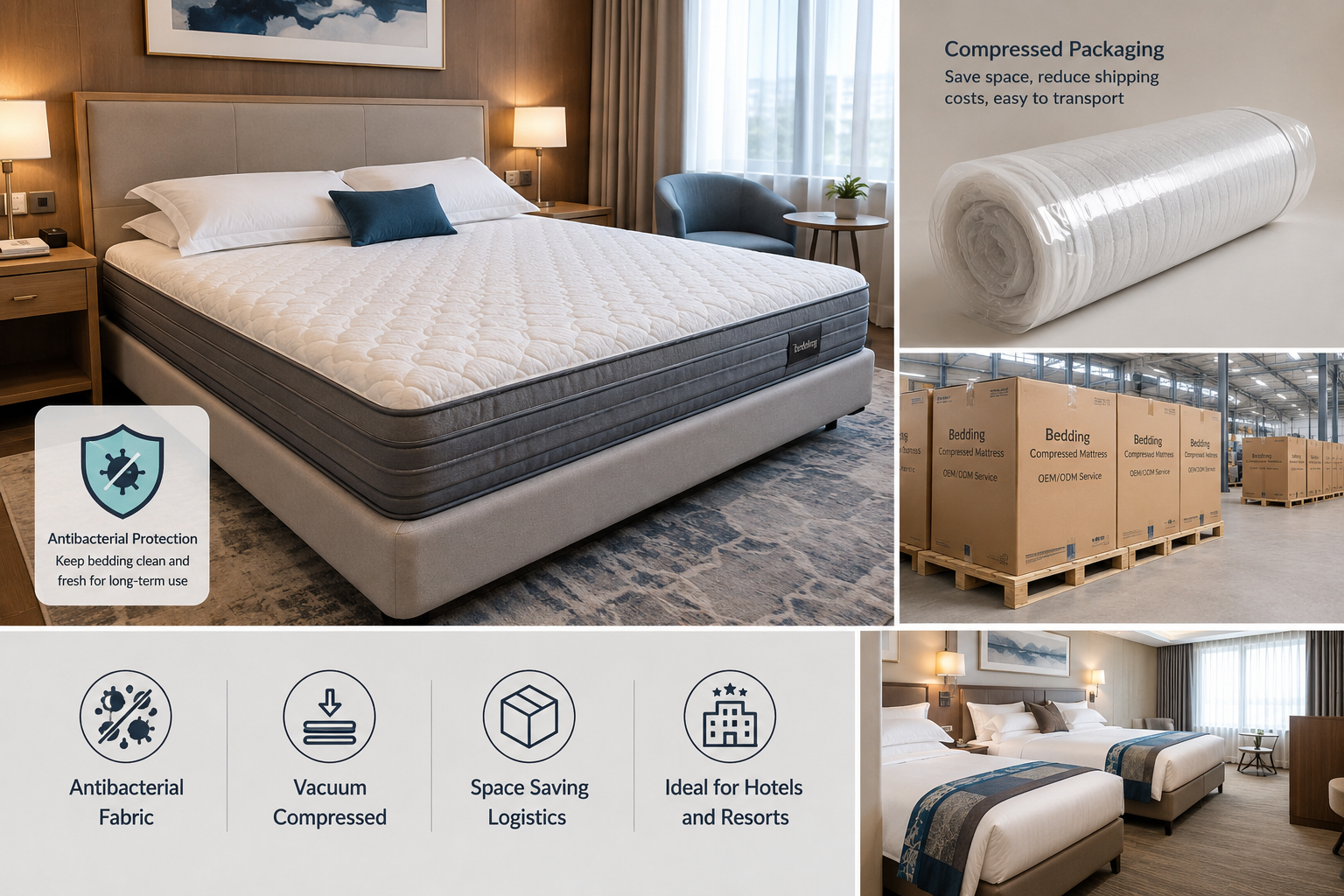
This is why antibacterial compressed bedding is increasingly used in hospitality, export, and high-turnover residential supply chains. The goal is not only space-saving packaging, but maintaining cleaner and more stable bedding conditions throughout distribution.
Where Hygiene Problems Actually Appear
Most hygiene-related complaints happen in environments with:
- Long-distance export shipping
- High-humidity storage conditions
- Hospitality and rental turnover
- Compressed products stored for extended periods
In these situations, antibacterial compressed bedding helps reduce contamination risk while improving customer confidence in packaged bedding systems.
Why Standard Bedding Systems Fail Over Time
Traditional compressed bedding often faces problems such as:
- Moisture buildup inside packaging
- Fabric odor after unpacking
- Surface bacterial growth in humid environments
- Compression-related material fatigue
Without antibacterial treatment and breathable structure control, these problems become more severe during long-term storage.
Material and Structure: How Antibacterial Systems Work
A properly engineered antibacterial bedding system combines:
- Antibacterial-treated surface fabrics
- Breathable inner filling materials
- Moisture-resistant compression packaging
- Stable rebound structure after unpacking
This allows antibacterial compressed bedding to maintain both hygiene performance and structural recovery after transport and storage.
One Table Buyers Actually Use
| Factor | Antibacterial Compressed Bedding | Standard Compressed Bedding |
|---|---|---|
| Surface Bacteria Growth | ↓ 20%–40% | Higher |
| Odor Complaint Rate | ↓ 15%–30% | Higher |
| Storage Moisture Risk | Lower | Higher |
| Return Rate | ↓ 10%–25% | Higher |
| Compression Recovery Stability | High | Variable |
Reference ranges based on common OEM bedding export benchmarks.
ToB Advantage: Where Buyers Reduce Cost
For OEM buyers and distributors:
- Lower hygiene-related complaints
- Better hospitality and rental suitability
- Reduced storage and transport risk
- Higher perceived product quality in export markets
This makes antibacterial compressed bedding a practical risk-control solution rather than a simple product upgrade.
Application Scenarios
This structure is widely used in:
- Hotels and serviced apartments
- Student housing and rental programs
- Export bedding projects
- E-commerce bedding brands
In these environments, cleanliness and packaging efficiency directly affect customer satisfaction.
OEM Procurement: MOQ, Lead Time, and Customization
Based on CV Castle’s OEM production capability:
- MOQ: 50 units per model
- Lead Time: 15–20 days
- Customization Options:
- Antibacterial fabric treatment
- Filling material selection
- Compression packaging format
- Fabric color and structure
These parameters help buyers align hygiene requirements with logistics efficiency.
Risk Points Buyers Often Ignore
Common sourcing problems include:
- Low-quality antibacterial coatings wearing off quickly
- Poor moisture control inside compressed packaging
- Weak rebound after extended storage
- Lack of hygiene testing before export
A reliable antibacterial compressed bedding system is validated through long-term storage and recovery testing—not short-term inspection only.
Final Perspective
Compression alone does not create value.
Cleanliness, recovery stability, and long-term reliability do.
A properly engineered bedding system helps OEM buyers reduce risk, improve customer experience, and support scalable distribution across hospitality and residential markets.
To explore full bedding and mattress solutions, visit
👉 https://www.cvcastle.com/
For OEM customization, MOQ, and sourcing support, contact
👉 https://www.cvcastle.com/contact-us