
Down Cotton Comfort Mattress: Soft Support Structure for Hospitality and OEM Bedding Supply
Softness is one of the first things customers notice in a mattress.
But excessive softness without structure quickly leads to sagging, heat buildup, and reduced durability.
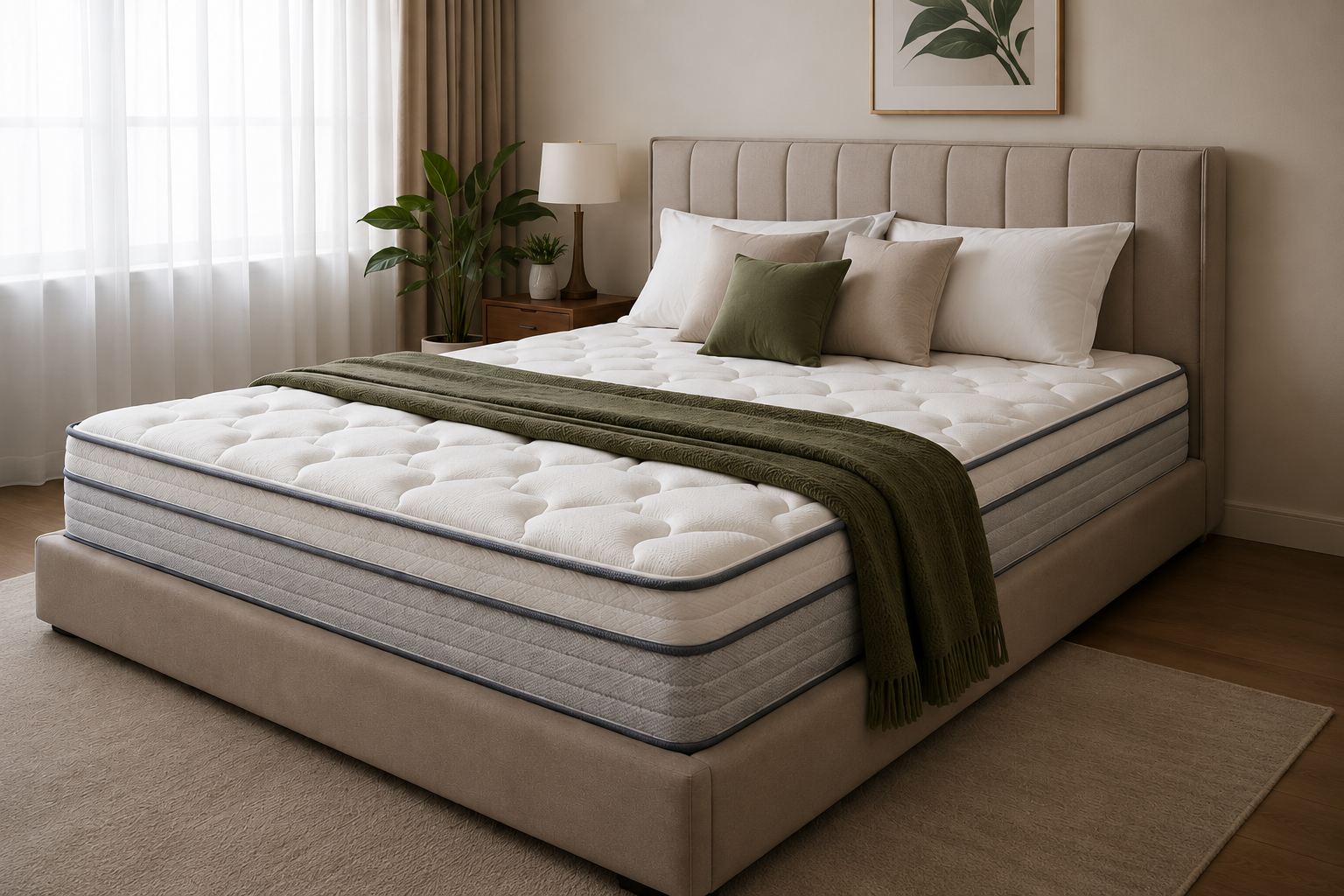
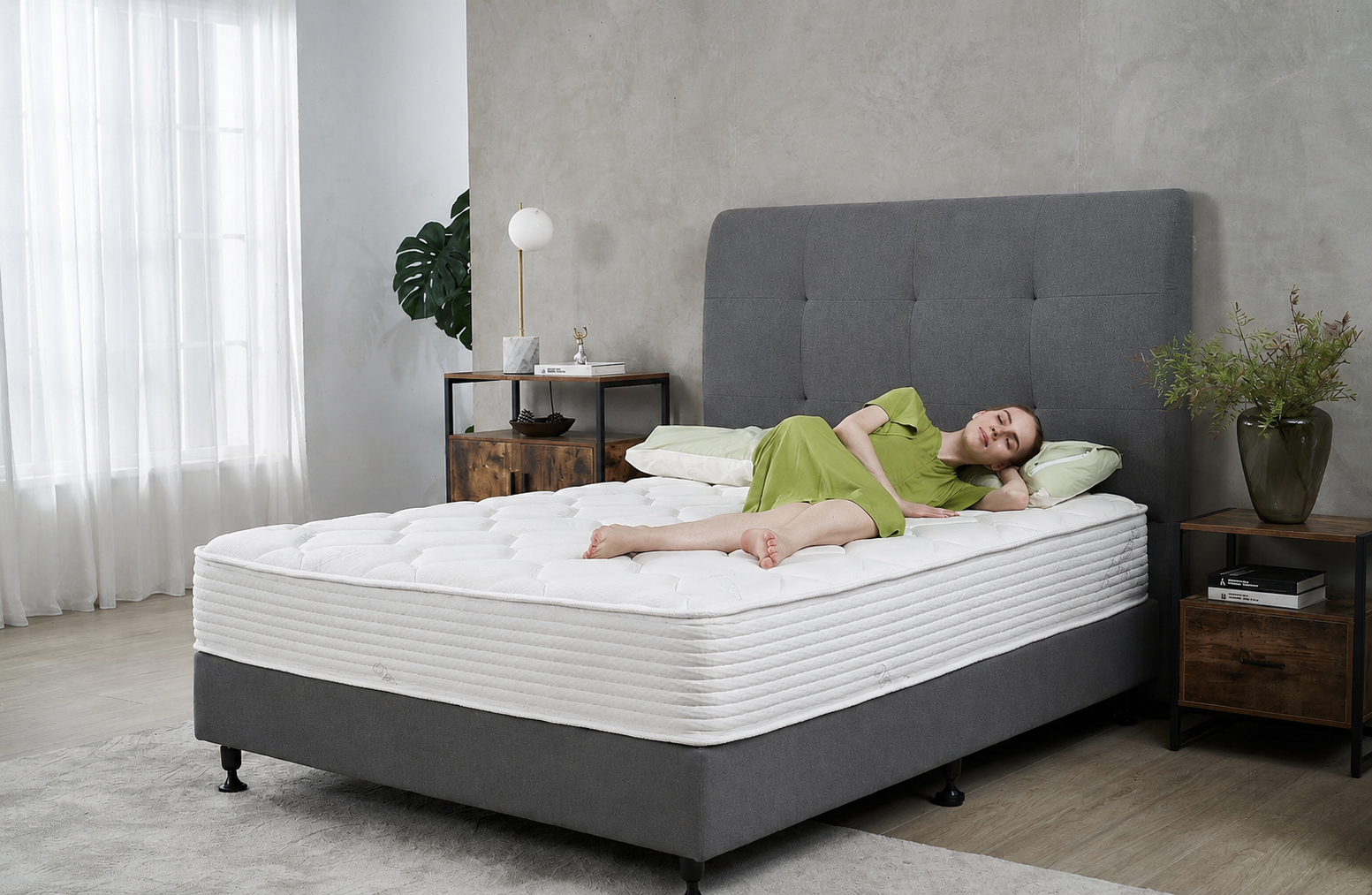
A down cotton comfort mattress is designed to create a balanced sleep surface by combining plush comfort layers with stable internal support.
Where Standard Soft Mattresses Fail
In many hospitality and residential projects, soft mattresses create problems such as:
- Uneven surface deformation
- Poor rebound after repeated use
- Heat retention during long sleep cycles
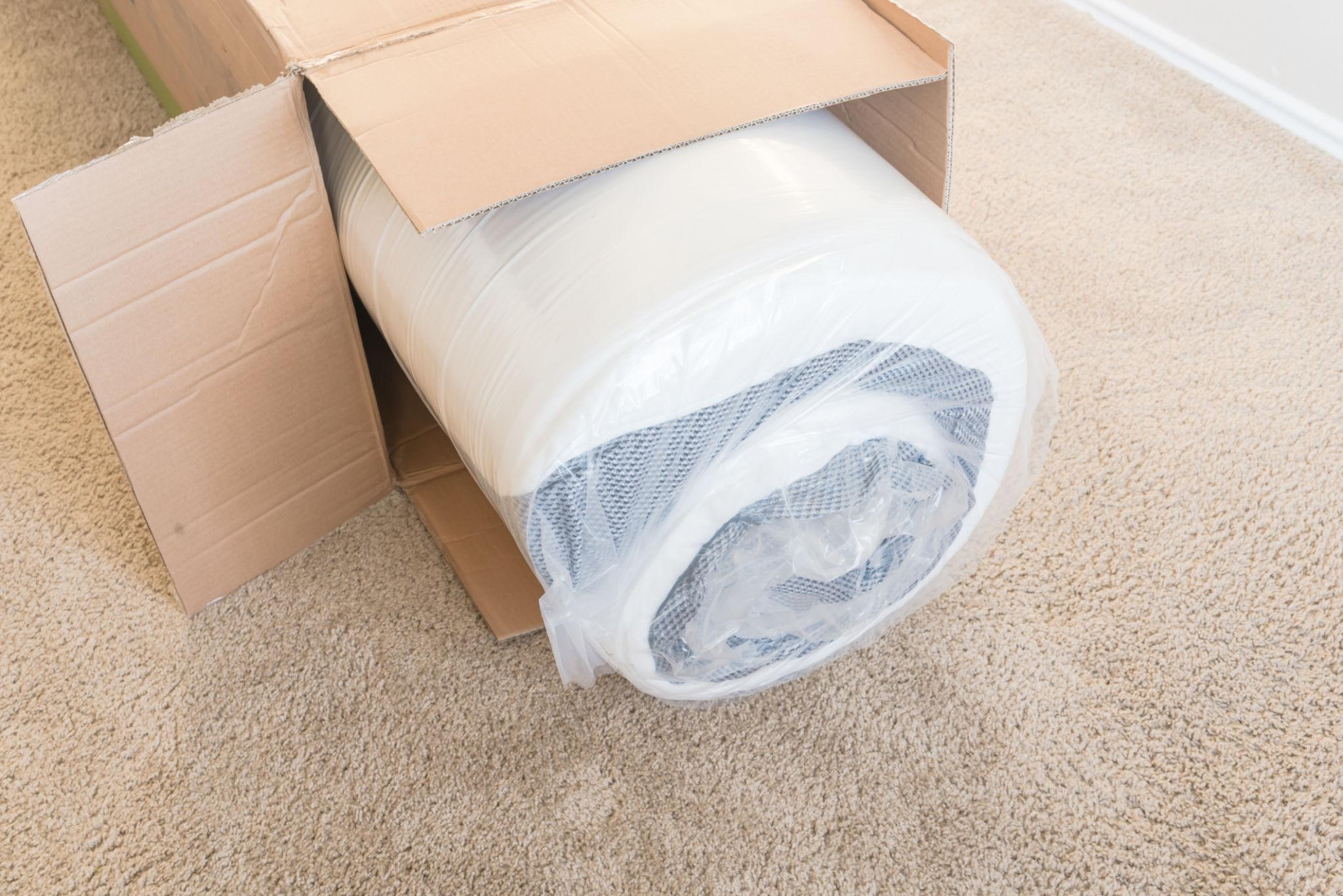
- Surface compression after transport and storage
These issues become more obvious in hotels, rental properties, and export bedding systems.
Why Down Cotton Structures Feel Different
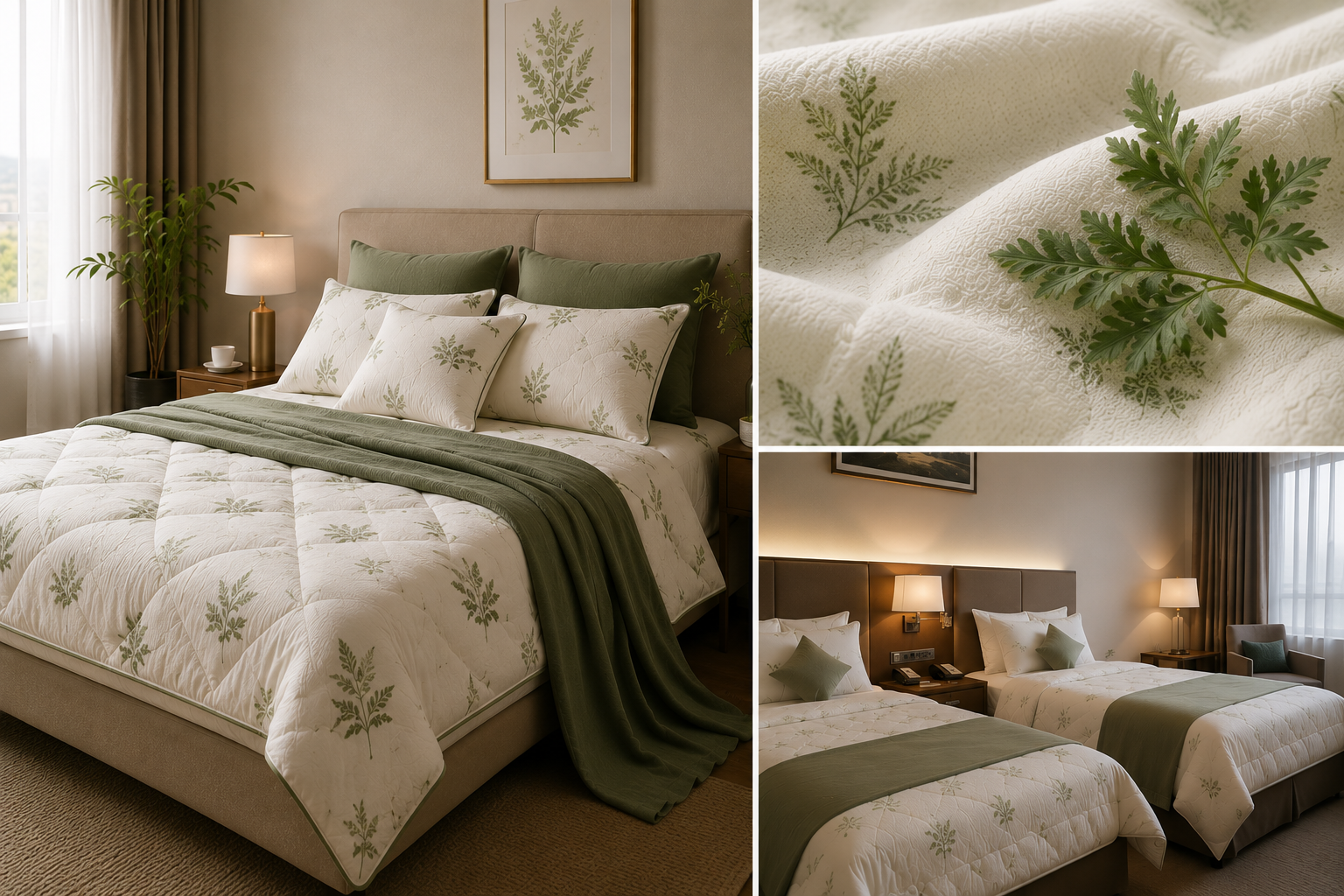
Down cotton layers create a softer and more breathable surface compared with dense foam-only systems.
This improves:
- Surface cushioning
- Air circulation
- Pressure distribution
- Comfort stability during long use
As a result, a down cotton comfort mattress delivers a plush feel without sacrificing support consistency.
Material Structure vs Standard Soft Bedding(采购核心对比)
| Factor | Down Cotton Comfort Mattress | Standard Soft Mattress |
|---|---|---|
| Surface Softness | +25%–40% | Standard |
| Airflow Performance | +15%–30% | Lower |
| Return Rate | ↓ 10%–20% | Higher |
| Long-Term Shape Stability | High | Variable |
| Heat Retention | ↓ 15%–25% | Higher |
Structure Integration: Where Comfort Is Controlled
Softness alone is not enough.
A complete system typically includes:
- Down cotton comfort layer
- Foam or pocket spring support core
- Breathable surface fabric
- Reinforced quilting structure
A properly engineered down cotton comfort mattress maintains comfort balance while preventing long-term collapse.
ToB Advantage: Why Buyers Use This Structure
For OEM buyers and distributors:
- Better comfort positioning in hospitality markets
- Lower return rates from uneven softness complaints
- Improved customer satisfaction in premium bedding lines
- Stronger perceived value in export markets
This makes comfort-layer engineering a measurable business advantage rather than a cosmetic feature.
Application Scenarios
This structure is widely used in:
- Hotels and serviced apartments
- Premium residential bedding
- Export mattress programs
- E-commerce comfort mattress brands
In these environments, surface comfort strongly affects customer experience and reviews.
OEM Procurement: MOQ, Lead Time, and Customization
Based on CV Castle’s OEM production capability:
- MOQ: 50 units per model
- Lead Time: 15–20 days
- Customization Options:
- Down cotton thickness
- Quilting structure
- Foam / latex / spring integration
- Fabric texture and color
- Compression packaging compatibility
These options help buyers balance softness, support, and logistics efficiency.
Risk Points Buyers Often Ignore
Common sourcing problems include:
- Overly soft structures without support stability
- Poor-quality filling materials losing rebound quickly
- Weak quilting after compression
- Heat retention caused by dense surface layers
A reliable down cotton comfort mattress is validated through durability and recovery testing, not just initial softness.
Final Perspective
Comfort is not created by softness alone.
It depends on how surface cushioning, airflow, and support work together over time.
A properly engineered mattress system helps OEM buyers improve customer satisfaction, reduce returns, and strengthen product positioning across hospitality and residential markets.
To explore full bedding and mattress solutions, visit
👉 https://www.cvcastle.com/
For OEM customization, MOQ, and sourcing support, contact
👉 https://www.cvcastle.com/contact-us