
The Modern Constraint: Designing Comfort in Smaller Spaces
Global housing trends show a sharp shift toward compact living environments — urban apartments, modular homes, and short-stay units.
Traditional furniture, with its bulky design and fixed geometry, fails to adapt to these new spatial realities.
Manufacturers and developers face key challenges:
-
Limited floor plans requiring adaptable layouts.
-
Higher shipping costs for oversized products.
-
Increasing customer demand for minimalist, multi-functional pieces.
Space saving furniture OEM production offers a way forward — merging industrial design and compression engineering to create furniture that performs twice its function in half the space.
How OEM Space Saving Furniture Is Engineered
Space saving OEM manufacturing isn’t just about folding mechanisms — it’s about precise optimization of every structural and material element.
Core production principles include:
-
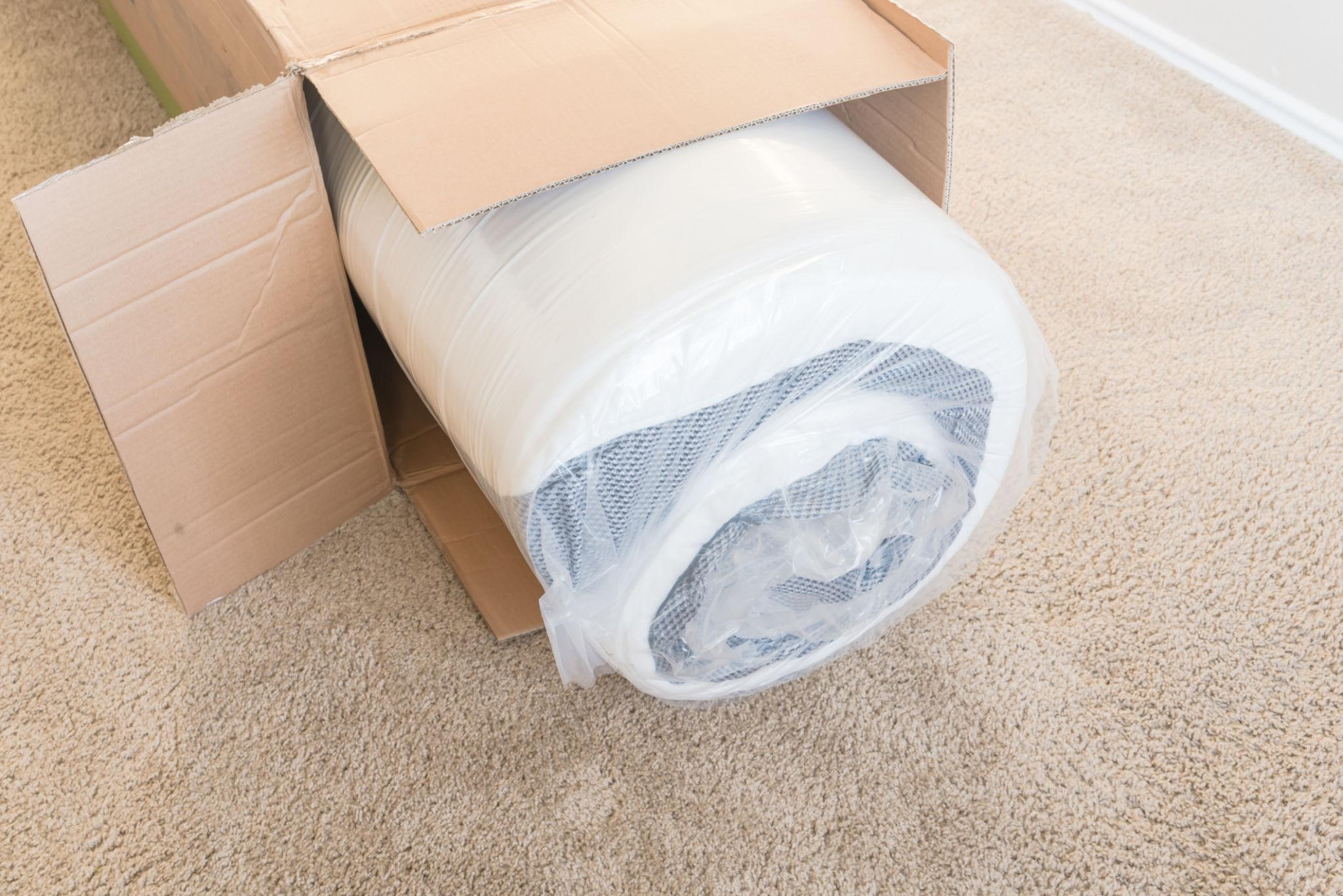
Vacuum Compression Technology – Cushions and frames are packed at up to 70% space reduction without comfort loss.
-
Modular Frame Design – Components interlock for tool-free assembly and replacement.
-
High-Density Foam Systems – Maintain elasticity and support through long-term usage.
-
Digital Prototyping – 3D modeling validates strength-to-weight ratios and folding angles.
-
Sustainable Materials – Aluminum, engineered wood, and low-emission fabrics balance durability with eco compliance.
This approach transforms manufacturing from volume-based output to function-driven, efficiency-oriented production.
Traditional vs. Space-Saving Furniture: Efficiency by Design
| Aspect | Traditional Furniture | Space Saving OEM Furniture |
|---|---|---|
| Volume Utilization | Occupies fixed space | Adapts to multiple configurations |
| Transport Efficiency | High shipping cost | 60–70% lower freight volume |
| Customization | Limited shapes and styles | Modular, multi-functional design |
| Material Density | Solid, heavy components | Lightweight, high-strength composites |
| Lifecycle | Hard to upgrade or replace | Modular components easily refreshed |
This shift makes OEM collaboration not just a supply choice — but a strategic advantage for companies optimizing logistics and sustainability.
From Concept to Container: OEM Manufacturing Workflow
Our OEM process integrates engineering, material science, and export logistics into a seamless workflow:
-
Design & Simulation – Layouts are modeled digitally to meet target space efficiency and visual proportion.
-
Prototype Verification – Test models undergo compression and rebound testing.
-
Mass Production – Automated assembly ensures consistency across large OEM batches.
-
Vacuum Sealing & Packing – Controlled conditions prevent deformation during shipping.
-
Global Logistics Optimization – AI-based container planning maximizes every cubic meter.
Each project follows measurable benchmarks — rebound rate, load capacity, and compression ratio — ensuring reliable and predictable performance across global deliveries.
Where Space Saving Furniture Brings the Most Value
-
Serviced Apartments & Hotels – Foldable sofas and beds reduce room turnover time.
-
Student Housing Projects – Compact modules balance affordability and comfort.
-
Corporate & Co-Working Environments – Modular seating adapts to changing layouts.
-
E-commerce Brands – Lightweight packaging simplifies last-mile delivery.
-
Prefab and Modular Homes – Fast-install systems accelerate construction timelines.
Each environment benefits from the balance between space efficiency and long-term usability, helping buyers achieve ROI faster.
Choosing the Right OEM Configuration
| Use Case | Recommended Furniture Type | Design Focus | Core Advantage |
|---|---|---|---|
| Apartments & Studios | Foldable compressed sofa bed | Dual-function design | Maximizes limited space |
| Hotels & Short-Stay Units | Modular lounge & ottoman set | Elegant, durable | Simplifies logistics and maintenance |
| Student & Co-living Spaces | Flat-pack modular sofa | Quick assembly | Scalable for bulk installations |
| Corporate Interiors | Collapsible lounge systems | Ergonomic, modern | Enhances space versatility |
| Prefab Projects | Vacuum-packed furniture kits | Compact logistics | Eases transport to remote sites |
Selecting the right configuration depends on project density, layout adaptability, and freight efficiency goals — all central to OEM-level planning.
Key Buyer Questions About Space Saving OEM Furniture
Q1: What customization options are available for OEM partners?
We provide full customization for size, fabric, compression ratio, and branding to match specific market needs.
Q2: How does compression affect assembly precision?
All joints and hinges are pre-calibrated and rebound-tested to maintain alignment after decompression.
Q3: Are eco-compliant materials available?
Yes. We offer FSC-certified wood, low-VOC finishes, and recyclable films for sustainable production.
Q4: What is the typical lead time for OEM production?
For most models, production and export cycles range from 30–40 days, including prototype approval and testing.
CV Castle: Intelligent OEM Manufacturing for Modern Living
At CV Castle, we specialize in OEM compressed and modular furniture systems designed for small-space efficiency and global scalability.
By combining engineering innovation with sustainable logistics, we help brands and developers create furniture built for the compact era.
Learn more about our OEM capabilities on the homepage or contact our production team via the Contact Us page to explore tailored manufacturing solutions.