
Soft Elastic Compressed Mattress: Balancing Comfort, Recovery, and Shipping Efficiency
Softness is easy to promise.
Maintaining softness after compression, transport, storage, and unpacking is far more difficult.
This challenge is exactly where the soft elastic compressed mattress has become relevant. For mattress brands, distributors, and project buyers, it represents an attempt to reconcile two competing priorities: plush comfort and logistics efficiency. Manufacturers emphasizing engineered compression systems—such as those presented on the CV Castle homepage—treat softness not as a surface feature, but as a controlled material behavior.
Why “Soft” and “Compressed” Are Not Natural Partners
Compression introduces stress.
Softness relies on resilience.
When a mattress is compressed, internal materials are forced into a reduced volume and held there for extended periods. Low-quality soft foams may feel plush initially but fail to recover evenly, leading to long-term sagging or loss of support.
A soft elastic compressed mattress works only when elastic recovery is engineered into the material, not added later through marketing descriptions.
Elasticity Is the Foundation of Sustainable Softness
Elasticity determines whether softness survives compression.
High-quality elastic foams and layered comfort systems absorb compression forces evenly and release them gradually during recovery. This prevents permanent cell collapse and helps the mattress return to its intended support profile.
For B2B buyers, elasticity is not about immediate feel. It is about how consistently that feel holds up across production batches and user environments.
Recovery Behavior Defines Post-Unpacking Performance
Recovery is often described in hours.
In practice, it should be evaluated in stages.
A well-designed soft elastic compressed mattress regains shape predictably, with internal stress equalizing across layers rather than rushing to surface expansion. This staged recovery helps preserve pressure relief and prevents uneven softness zones.
Manufacturers that test recovery after extended storage—rather than immediate unpacking—tend to deliver more reliable long-term comfort.
One Table Buyers Need: Soft Elastic vs Standard Compressed Mattress
| Evaluation Factor | Soft Elastic Compressed Mattress | Standard Compressed Mattress |
|---|---|---|
| Initial Comfort | Plush, pressure-relieving | Moderate |
| Elastic Recovery | High, controlled | Variable |
| Shape Stability Over Time | Consistent | Inconsistent |
| Suitability for Compression | Engineered | Limited |
| Customer Comfort Complaints | Reduced | More frequent |
This comparison highlights a key procurement insight: softness without elasticity increases risk rather than value.
Where Soft Elastic Compressed Mattresses Perform Best
Soft elastic compressed mattresses are particularly effective in:
-
Residential and apartment-focused markets
-
E-commerce mattress programs requiring compact shipping
-
Hospitality projects emphasizing pressure relief
-
Warm climates where elastic foams support airflow and comfort
They are less suitable for ultra-firm positioning or environments requiring rigid orthopedic support, where different structures may perform better.
What Buyers Should Verify Before Sourcing
Before committing to a soft elastic compressed mattress supplier, B2B buyers should confirm:
-
Foam elasticity specifications and density ranges
-
Compression ratio and safe storage duration
-
Recovery performance after long-term compression
-
Batch consistency across large-volume orders
Suppliers who can provide clear data on these points usually design compressed mattresses as systems, not shortcuts.
Logistics Efficiency Without Comfort Compromise
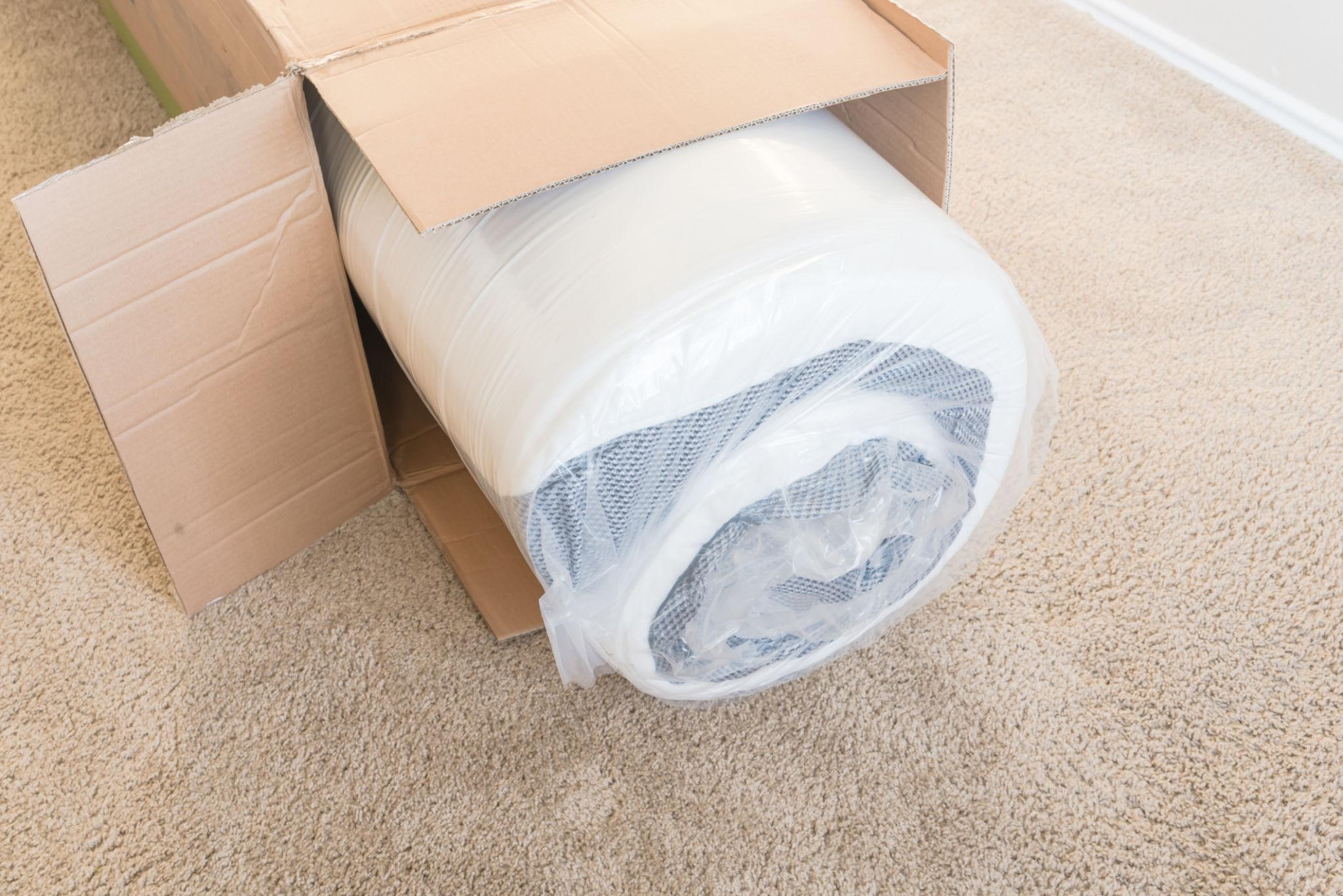
One of the main advantages of a soft elastic compressed mattress is its ability to reduce shipping volume without sacrificing comfort positioning. When elasticity and compression control are aligned, mattresses can be packed densely, shipped efficiently, and still meet end-user expectations after recovery.
This balance is increasingly important for brands expanding cross-border distribution or scaling direct-to-consumer channels.
From Comfort Claim to Engineered Outcome
A soft elastic compressed mattress should not be evaluated by surface feel alone.
It should be assessed by how well softness survives stress.
Manufacturers that integrate elastic materials, controlled compression, and recovery testing into a unified production process tend to deliver predictable results. This system-level approach is increasingly visible among suppliers presenting complete compressed mattress solutions on the CV Castle official website.
Final Perspective: Softness That Travels Well
Softness that disappears after unpacking is a liability.
Softness that survives compression becomes a competitive advantage.
For B2B buyers sourcing compressed mattresses for bulk programs or OEM development, early discussions around elasticity, compression limits, and recovery standards help ensure that comfort claims translate into real-world performance.
You can start that evaluation directly via the CV Castle Contact Us page to determine whether a soft elastic compressed mattress fits your market and logistics strategy.