

The Exporter’s Dilemma: Comfort vs. Cost Efficiency
For global furniture exporters, the biggest challenge is balancing comfort with logistics efficiency.
Traditional sofas occupy large volumes, driving up container and shipping costs—often limiting profit margins in export markets.
Key issues faced by furniture exporters include:
-
Excessive shipping volume → higher freight rates.
-
Packaging damage during long-distance transport.
-
Complex assembly and storage at destination ports.
The solution lies in rolled sofa export technology, which compresses furniture safely for transit while preserving full comfort and shape recovery.
How Roll-Packed Sofa Exporting Works
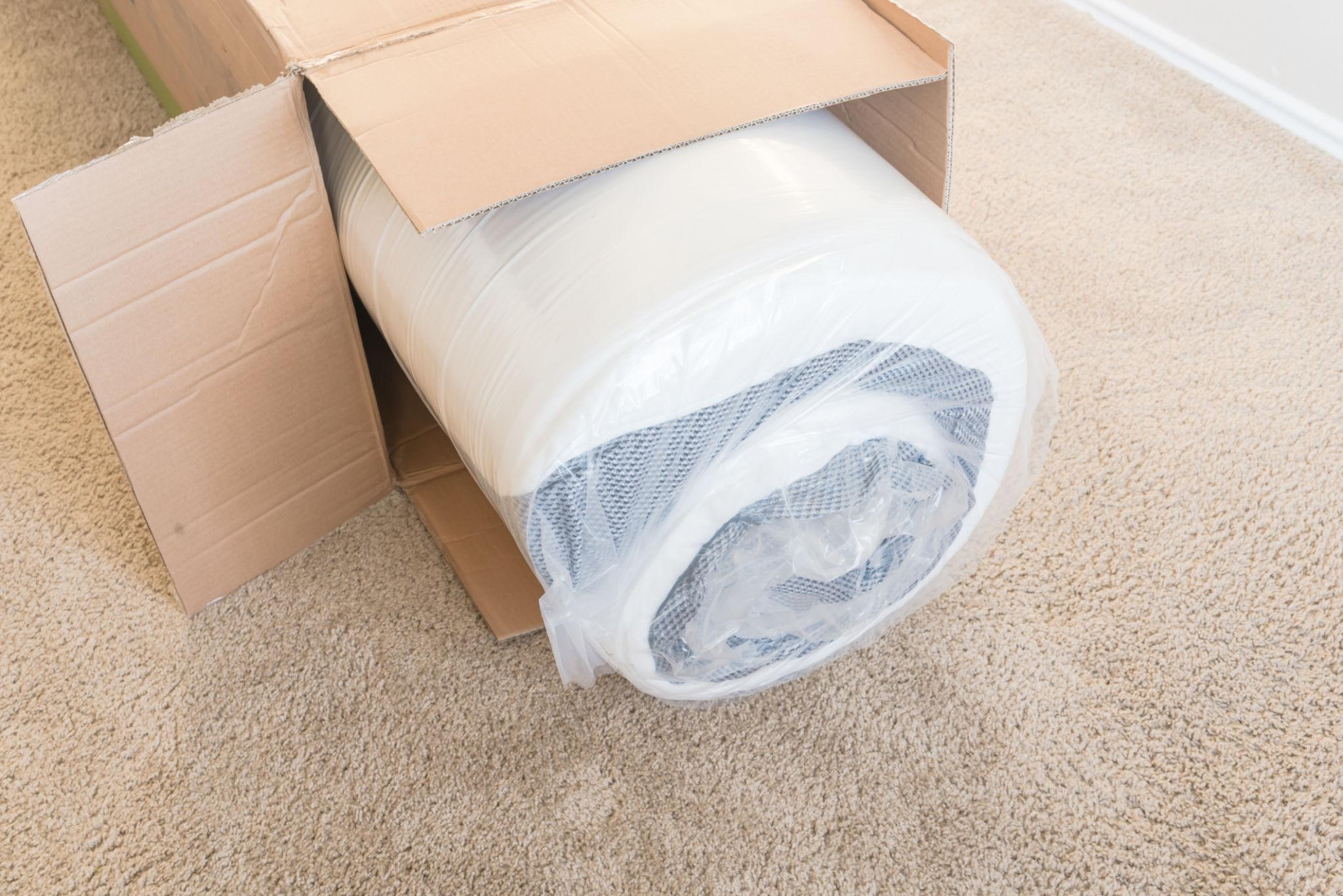
Rolled sofa production combines mechanical compression and material memory technology to minimize space without compromising form.
Key stages in the process include:
-
Vacuum Compression: Air is extracted from foam and cushion layers to reduce volume.
-
Roll-Packing: Cushions and components are rolled using industrial-grade films.
-
Sealed Protection: Multi-layer packaging keeps products moisture-proof and dust-free.
-
Quick Recovery: Sofas regain 95% of original shape within hours after unpacking.
The result is a container-efficient, export-ready product designed for safe long-distance shipping.
Rolled Sofas vs. Conventional Sofas
| Feature | Conventional Sofa | Rolled Sofa |
|---|---|---|
| Packaging Volume | Bulky and fixed | 60–70% volume reduction |
| Freight Cost | High per unit | 40–50% lower logistics cost |
| Assembly | Pre-assembled | Simple on-site setup |
| Damage Risk | Higher during transit | Protected in sealed rolls |
| Comfort & Durability | Consistent | Full rebound after decompression |
| Export Readiness | Limited | Designed for container optimization |
Rolled sofas thus maximize space efficiency and minimize transport risks, offering distributors a clear competitive edge.
Material Engineering for Long-Lasting Performance
The secret behind a rolled sofa’s success lies in compression-resistant materials engineered for elasticity and structure retention:
-
High-Density Foam → Quick rebound after vacuum release.
-
Polymer Sponge Base → Maintains stability and pressure resistance.
-
Corduroy & Linen Fabrics → Breathable, wrinkle-resistant, and elegant.
-
Oxygen Cotton & Wool Layers → Provide softness without deformation.
-
Steel or Hardwood Frames → Ensure stability through international transit.
These materials are rigorously tested to endure high compression pressure and tropical shipment environments, guaranteeing consistent comfort on arrival.
Applications: Where Rolled Sofas Deliver Maximum Value
Rolled sofas are widely adopted by businesses prioritizing space efficiency and shipping convenience:
-
Furniture Retail Chains: Easier inventory control and faster restocking cycles.
-
E-commerce Platforms: Lower parcel weight and optimized last-mile delivery.
-
Hotel & Apartment Projects: Bulk delivery with reduced import duties and warehousing costs.
-
Distributors & Wholesalers: Maximize container utilization for international exports.
-
Developing Markets: Access to high-quality furniture at reduced shipping costs.
In every case, rolled packaging unlocks both cost and operational efficiency.
Choosing the Right Rolled Sofa Type
| Buyer Scenario | Recommended Type | Material System | Key Advantage |
|---|---|---|---|
| Retail Distributors | Standard rolled sofa | Foam + corduroy | Compact, low-cost |
| E-commerce Fulfillment | Vacuum roll sofa | Polymer sponge + linen | Lightweight, easy to ship |
| Hospitality Projects | Modular rolled sofa | Wool + hardwood frame | Elegant + durable |
| Small Apartments | Convertible rolled sofa | Oxygen cotton + foam | Space-saving, dual use |
| OEM Partnerships | Custom rolled design | Mixed materials | Fully branded export solution |
This helps buyers select fit-for-purpose rolled sofa systems based on usage intensity and shipment strategy.
Buyer FAQs: What Global Clients Often Ask
Q1: Does rolling affect sofa comfort or lifespan?
No. Materials like high-density foam and polymer sponge retain elasticity after thousands of compression cycles.
Q2: How much container space can I save?
On average, exporters save 40–60% of volume per shipment, allowing higher profit margins.
Q3: What’s the recovery time after unpacking?
Sofas typically recover shape within 3–6 hours, reaching full comfort level within 24 hours.
Q4: Can rolled sofas be customized for OEM brands?
Yes. CV Castle provides OEM customization for structure, fabric, and packaging aligned with brand standards.
CV Castle: Reliable Rolled Sofa Exporting for the Global Market
At CV Castle, we export rolled sofas that combine compact logistics with uncompromised comfort.
Every design is engineered for space efficiency, durability, and global compliance, helping buyers expand markets while controlling operational costs.
Explore our full range of compressed furniture on the CV Castle homepage
or reach our export team via the Contact Us page for partnership opportunities.