

Rising Costs, Shrinking Spaces: Why Furniture Logistics Needed a New Model
For decades, furniture manufacturing has battled one recurring challenge — the cost and complexity of shipping bulky goods. Traditional furniture takes up excessive container volume, leading to higher freight charges, increased breakage risks, and a heavier carbon footprint.
Global buyers face similar pain points:
-
Inefficient container usage, wasting up to 60% of available cubic space.
-
Damage during transit, caused by pressure or humidity.
-
Inconsistent assembly results, especially in large-scale hotel or apartment projects.
As global trade demands more sustainable and cost-effective systems, compressed furniture factories have emerged as a technological evolution, reshaping how products are designed, packaged, and distributed worldwide.
The Core Principles of Compression Manufacturing
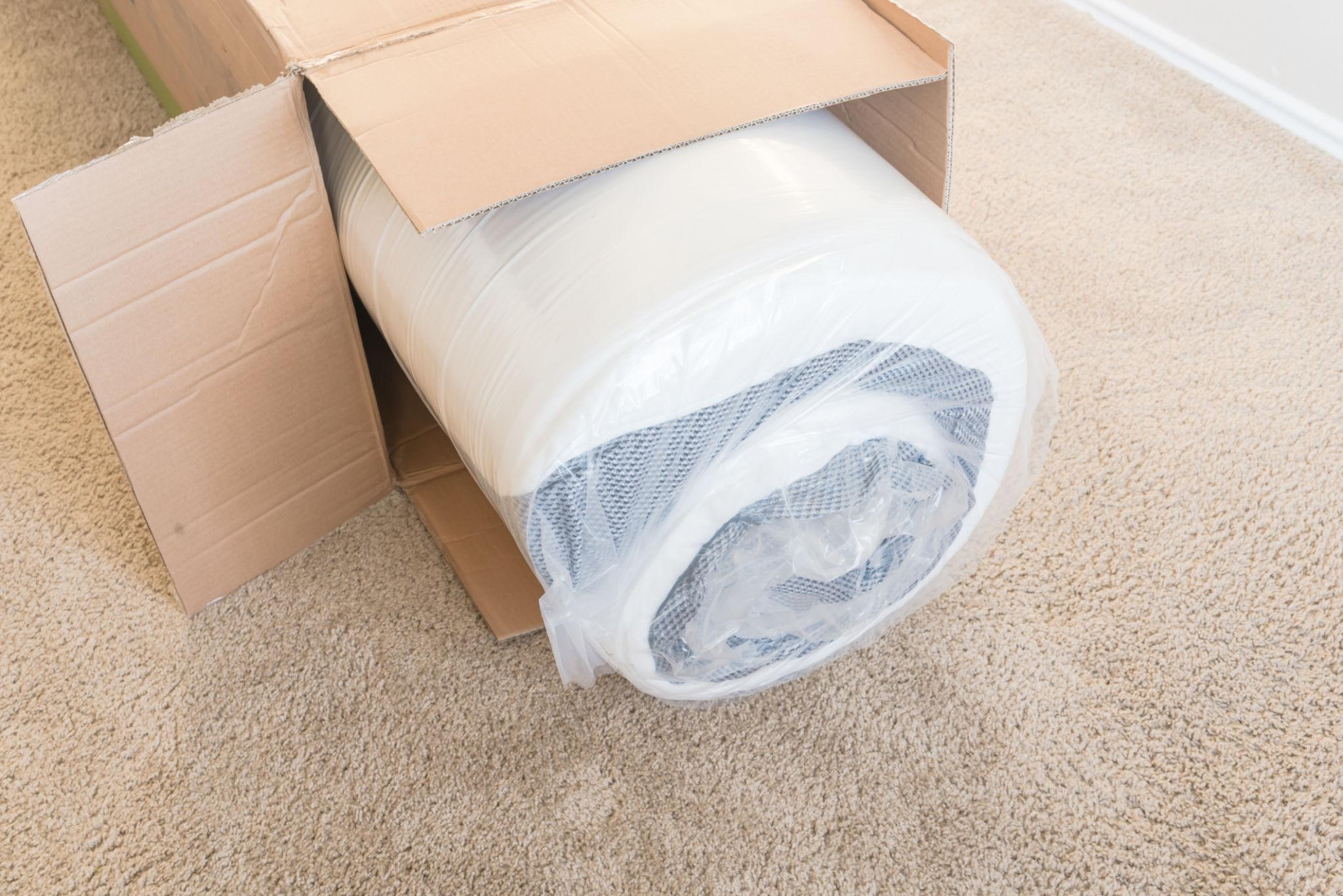
A compressed furniture factory operates on a hybrid of vacuum compression, modular assembly, and high-resilience foam technology. These three elements enable large, comfortable furniture pieces to be flattened, sealed, and safely shipped without compromising recovery.
Key technical principles include:
-
Vacuum Sealing – Removes air to minimize space, achieving up to 70% reduction in volume.
-
Resilient Foam Structure – High-density rebound materials recover within minutes of unpacking.
-
Flat-Pack Component Engineering – Frames and cushions are modular, enabling tool-free assembly.
-
Moisture-Proof Packaging – Multi-layer film resists humidity and oxidation during transit.
These innovations ensure the furniture maintains its form and comfort, even after long-distance shipment or warehouse storage.
Traditional vs. Compressed Furniture: A Functional Comparison
| Feature | Traditional Furniture | Compressed Furniture |
|---|---|---|
| Shipping Volume | Bulky, low container efficiency | 50–70% space savings |
| Handling Process | Labor-intensive, large packaging | Lightweight, easy to handle |
| Transportation Cost | High per-unit freight cost | Reduced logistics expense |
| Quality Retention | Risk of deformation | Controlled rebound testing |
| Sustainability | Higher carbon output | Lower emissions & recyclable film |
This transformation doesn’t just improve logistics — it optimizes global supply chains by reducing waste and improving product traceability.
From Production to Port: How Compression Enhances Efficiency
Modern compressed furniture factories like CV Castle integrate each production stage into a closed-loop system, ensuring precision from design to delivery:
-
Smart Design Phase – Engineers simulate product compression ratios before production.
-
Material Calibration – Density, elasticity, and recovery time are tested in small batches.
-
Compression & Vacuum Stage – Automated sealing lines guarantee consistent results.
-
Load Optimization – AI-based container planning maximizes freight efficiency.
-
Global Quality Check – Each shipment passes rebound recovery and moisture control verification.
By merging digital modeling with physical testing, factories deliver not only durable furniture but measurable value across the supply chain.
Strategic Advantages of Compression Manufacturing
-
Lower Total Logistics Cost: Each 40HQ container accommodates 2–3x more volume.
-
Enhanced Durability: Multi-stage testing ensures 100% recovery rate post-delivery.
-
Simplified Assembly: Modular connectors eliminate complex installation.
-
Customizable Aesthetics: Adaptable designs for apartments, hotels, or rental projects.
-
Environmental Impact Reduction: Less packaging waste and lower fuel consumption.
For large-scale buyers and OEM partners, this model represents a shift from reactive purchasing to strategic procurement — where cost, quality, and sustainability align.
Application Scenarios: Where Compression Delivers the Most Value
-
Hospitality Projects – Optimized for high turnover, easy setup, and consistent design.
-
Serviced Apartments – Compact furniture solutions for space efficiency and style.
-
Student Housing & Co-living – Flat-packed for fast installation across multiple units.
-
E-commerce Exports – Lightweight packaging reduces shipping complexity.
-
Prefab Housing & Modular Buildings – Compatible with rapid deployment systems.
Each application benefits not just from compressed design but from the flexibility of logistics and reduced total ownership cost.
Selection Guide: Matching Product Types with Application Needs
To help buyers choose the most suitable solution, our factory classifies compressed furniture products by application scenario, usage frequency, and comfort priority:
| Application Scenario | Recommended Product Type | Key Features | Why It Fits |
|---|---|---|---|
| Hotels & Resorts | High-density compressed sofa | Quick rebound, uniform firmness | Ensures long-term use with consistent aesthetics |
| Serviced Apartments | Modular compressed furniture set | Tool-free setup, compact design | Ideal for fast installation in limited spaces |
| Student Dormitories | Foldable compressed beds and chairs | Lightweight, stackable, durable | Easy storage and quick replacement cycles |
| Office & Coworking Spaces | Compressed lounge sofa | Ergonomic support, refined appearance | Balances comfort with professional design |
| E-commerce & Export Warehouses | Roll-packed sofa and mattress | Optimized volume reduction | Reduces freight costs and warehouse storage needs |
| Prefab Housing Projects | Flat-packed furniture kits | Customizable structure, sustainable materials | Streamlines logistics for mass installations |
By aligning product functionality with operational priorities, buyers can achieve the best balance between comfort, durability, and shipment efficiency.
Key Buyer Questions About Compressed Furniture
Q1: Does compression affect furniture comfort?
No. Proper rebound foam and controlled vacuum pressure preserve original comfort and shape.
Q2: How long can products remain compressed?
With moisture-proof films and gas barriers, storage can exceed 6 months without deterioration.
Q3: Can the factory handle mixed orders (sofa + mattress)?
Yes. Modular packaging lines enable simultaneous production across multiple furniture categories.
Q4: What certifications should buyers look for?
ISO9001, SGS compression testing, and CE conformity ensure export compliance and long-term reliability.
CV Castle: Innovating Furniture Compression for Global Trade
At CV Castle, we integrate R&D-driven design, vacuum compression, and export logistics expertise to deliver OEM-ready furniture solutions that help partners save space, reduce cost, and maintain quality.
Each product embodies a commitment to efficiency, resilience, and intelligent design for the modern furniture supply chain.
Learn more about our compression technology on the homepage or contact us directly via the Contact Us page to explore OEM and project-specific solutions.