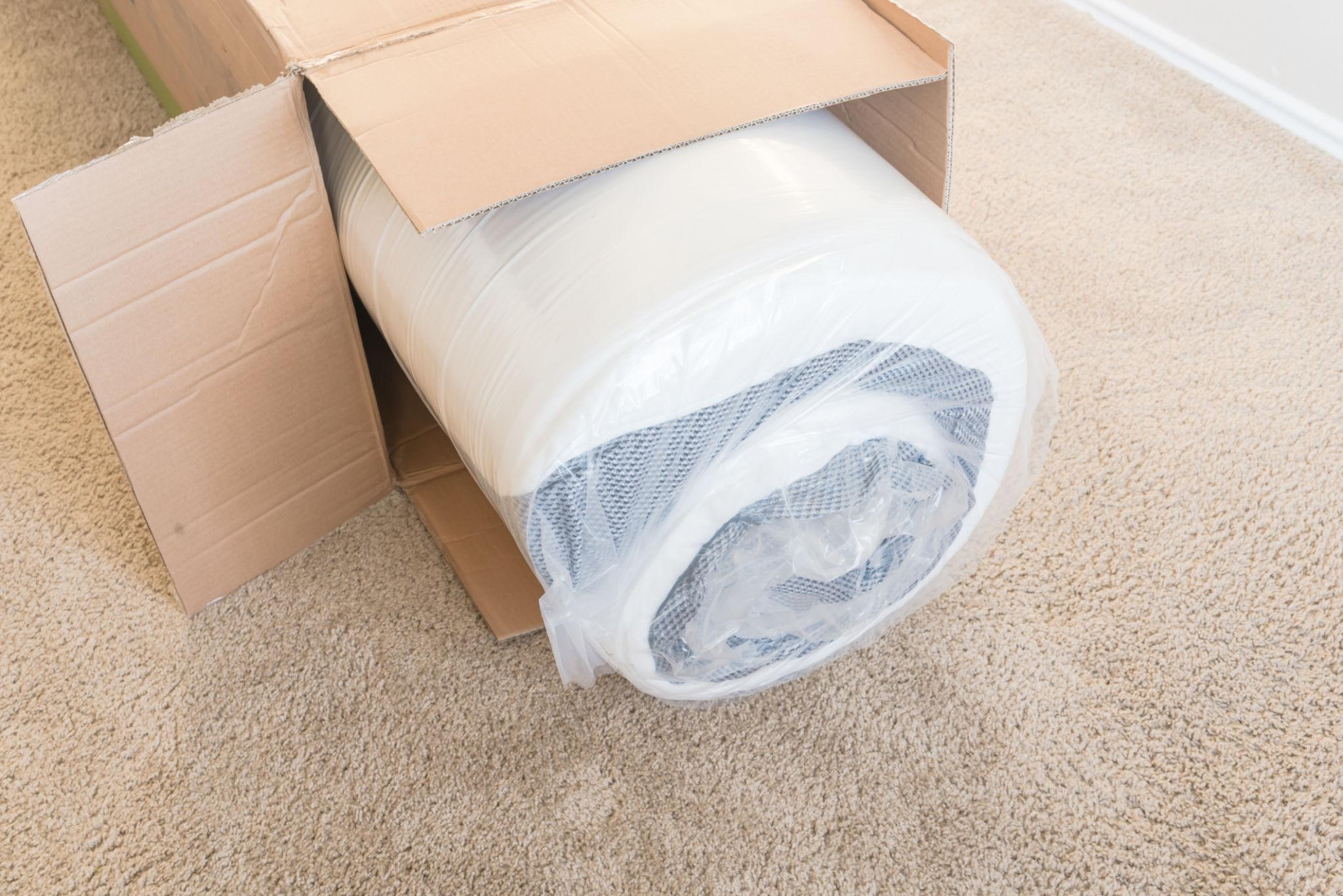
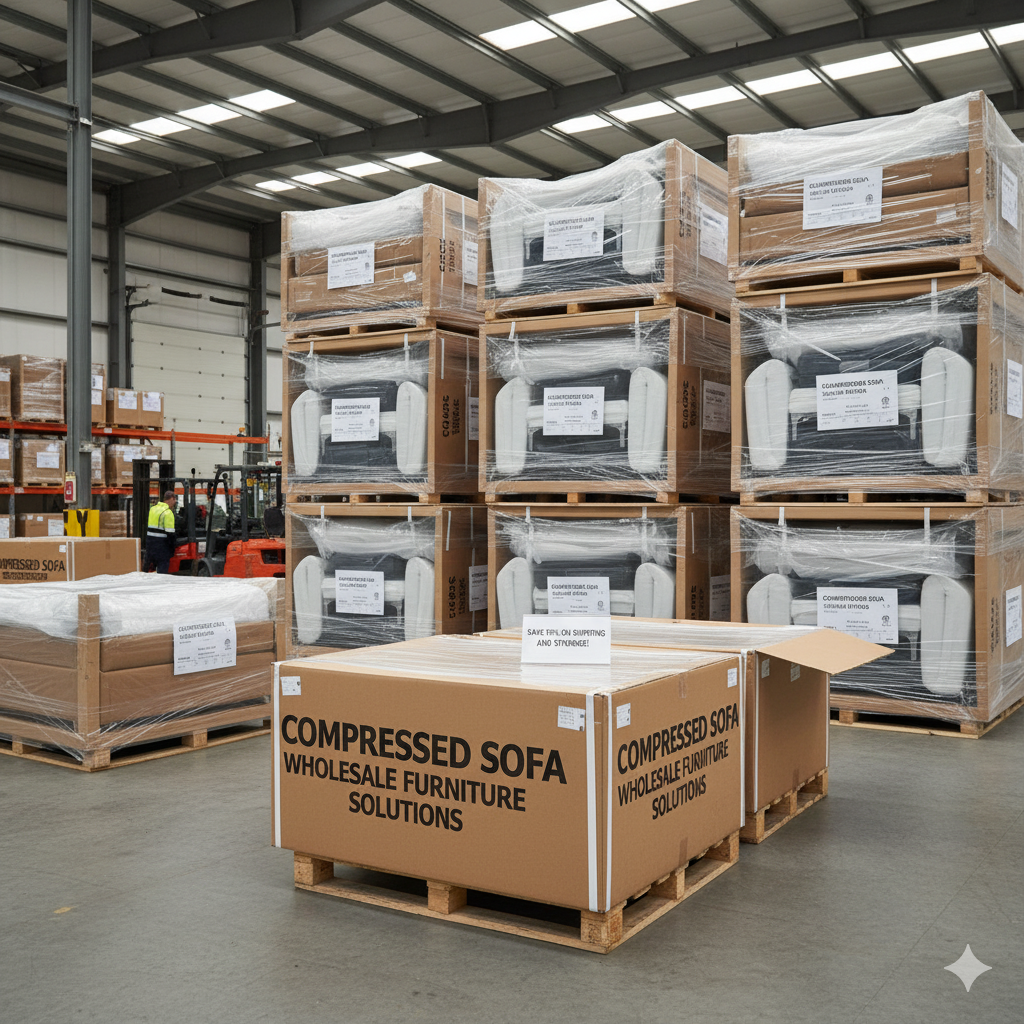
In compressed sofa programs, failures rarely come from cushions or fabric.
They come from frames that were never designed for compression, rebound, and long-distance transport.
A lightweight compressed sofa frame is not about using less material. It is about removing non-functional weight while reinforcing structural stress paths, so the sofa survives packing, shipping, and real-world use without deformation.
Application Scenarios Where Frame Design Directly Affects Outcomes
The demand for compressed sofa systems is driven by specific usage environments:
-
Urban apartments where elevators, staircases, and door widths limit traditional sofa delivery
-
E-commerce furniture programs requiring parcel-friendly or reduced-volume shipping
-
Export markets where container cost and damage rates directly impact margins
-
OEM private-label brands scaling fast without local warehousing
In all these scenarios, a lightweight compressed sofa frame enables compact packing while ensuring the sofa recovers its intended geometry after unpacking.
Frame Engineering: Where Weight Is Reduced—and Where It Is Not
Effective lightweight frames are not uniformly thinner. Weight reduction is selective.
Engineering decisions typically include:
-
Removing excess mass from low-load sections
-
Reinforcing joint zones where compression stress concentrates
-
Using layered or laminated wood structures instead of solid blocks
-
Allowing controlled elastic deformation instead of rigid resistance
This approach ensures the lightweight compressed sofa frame maintains load capacity under seating pressure while remaining stable after compression cycles.
Structural Performance vs Traditional Sofa Frames (With Reference Data)
| Performance Factor | Lightweight Compressed Frame | Traditional Frame |
|---|---|---|
| Average Frame Weight Reduction | –25% to –35% | Baseline |
| Shipping Volume Reduction | –40% to –60% | Minimal |
| Container Loading Efficiency | +30% units/container | Standard |
| Transport Damage Rate | ↓ 18%–25% | Higher |
| Post-Unpacking Shape Deviation | <2% | 5%–8% |
Data ranges reflect common export compressed sofa benchmarks used in OEM furniture logistics.
These differences explain why buyers specify a lightweight compressed sofa frame when shipping cost and return control matter.
ToB Advantages: Why Buyers Specify Lightweight Frames
From a B2B procurement perspective, frame design directly affects profitability:
-
Lower freight cost per unit, especially on long-distance routes
-
Reduced damage claims caused by frame warping or joint failure
-
Higher container utilization, improving cost per cubic meter
-
Faster last-mile handling, supporting e-commerce fulfillment
Over annual shipment volumes, these gains compound. For many brands, switching to a lightweight compressed sofa frame improves net margin without raising retail price.
OEM Procurement Reality: MOQ, Lead Time, Custom Scope
For buyers evaluating production feasibility, structure customization must fit commercial limits.
Based on CV Castle’s standard OEM workflow:
-
Production Lead Time: 15–20 days, depending on frame complexity and upholstery pairing
-
Customization Options: Frame thickness, joint reinforcement layout, compression tolerance, sofa size formats
This makes it possible to integrate a lightweight compressed sofa frame into both test launches and long-term supply programs.
Why Frame Design Reduces After-Sales Risk
Most post-sale sofa complaints trace back to frame instability, not fabric wear.
Properly engineered frames:
-
Maintain alignment after unpacking
-
Prevent uneven cushion pressure caused by frame distortion
-
Reduce squeaking and long-term looseness
That is why lightweight compressed sofa frame design is treated as a risk-control component, not just a logistics feature.
Final Takeaway: Frame Decisions Are Business Decisions
In compressed furniture programs, the frame determines more than structure.
It determines shipping efficiency, damage rate, customer satisfaction, and repeat orders.
A well-engineered lightweight compressed sofa frame allows brands and distributors to ship more units, reduce losses, and maintain consistent seating performance across markets.
To explore how this structure integrates with CV Castle’s compressed sofa systems, you can review the full product and material approach on the official homepage:
👉 https://www.cvcastle.com/
For OEM specifications, MOQ confirmation, or frame customization discussions, reach out directly through the contact page:
👉 https://www.cvcastle.com/contact-us