From Cushion Fatigue to Elastic Recovery: Why Foam Quality Defines Comfort
In the furniture industry, most comfort issues start beneath the surface.
Conventional foam cushions lose their shape within just a few years, leading to uneven seating and sagging appearances.
For residential buyers, it means discomfort; for commercial operators, it means higher replacement costs.
This growing challenge has pushed manufacturers to adopt high rebound foam — a new-generation material that balances density, elasticity, and resilience. It ensures long-term comfort and structural integrity across hospitality, residential, and office environments.
Material Physics Behind High Rebound Foam
Unlike conventional polyurethane foam, high rebound foam features an open-cell molecular structure that allows for air circulation and rapid recovery after compression.
Key mechanical characteristics include:
-
Fast Elastic Recovery: Regains 95% of its original shape within seconds.
-
High Compression Strength: Retains firmness and volume after thousands of uses.
-
Thermal Stability: Remains consistent in hot or humid climates.
-
Optimized Density Range: Balances comfort and support for extended seating periods.
This material science innovation allows high rebound foam sofas to sustain both softness and structure, eliminating the trade-off between comfort and durability.
Performance Comparison: Traditional vs. High Rebound Foam Sofas
| Feature | Conventional Foam Sofa | High Rebound Foam Sofa |
|---|---|---|
| Elastic Recovery | Slow and incomplete | Rapid, full restoration |
| Structural Lifespan | 2–3 years | 6–10 years |
| Firmness Retention | Loses support over time | Consistent firmness |
| Breathability | Minimal airflow | Open-cell air exchange |
| Maintenance Needs | Frequent re-padding | Long-term stability |
| Total Cost of Ownership | High | Reduced over product lifespan |
For hotels, serviced apartments, and corporate spaces, this means lower lifecycle costs and sustained comfort for guests and employees alike.
Layered Material Architecture for Consistent Performance
Every high rebound foam sofa by CV Castle integrates multi-layer engineering, ensuring strength, ventilation, and user comfort:
-
Core Support Layer: High-density polymer sponge provides foundational stability.
-
Comfort Layer: Oxygen cotton and natural wool create a balanced soft-touch surface.
-
Elastic Layer: Pure latex and long-fiber fabric add elasticity and posture support.
-
Base Structure: Solid wood or metal frame ensures long-term durability.
-
Upholstery Options: Corduroy, linen, or composite leather for aesthetic versatility and wear resistance.
Each layer functions independently yet harmoniously—resulting in sofas that recover instantly, breathe efficiently, and endure globally diverse environments.
Applications Where Rebound Matters Most
High rebound foam sofas are not limited to living rooms—they perform exceptionally across professional and hospitality settings:
-
Hotel Guest Rooms: Reliable comfort for continuous occupancy cycles.
-
Residential Apartments: Maintains form and elasticity for daily family use.
-
Corporate Lounges: Provides ergonomic support for long sitting hours.
-
Student Housing: Withstands repetitive use with minimal wear.
-
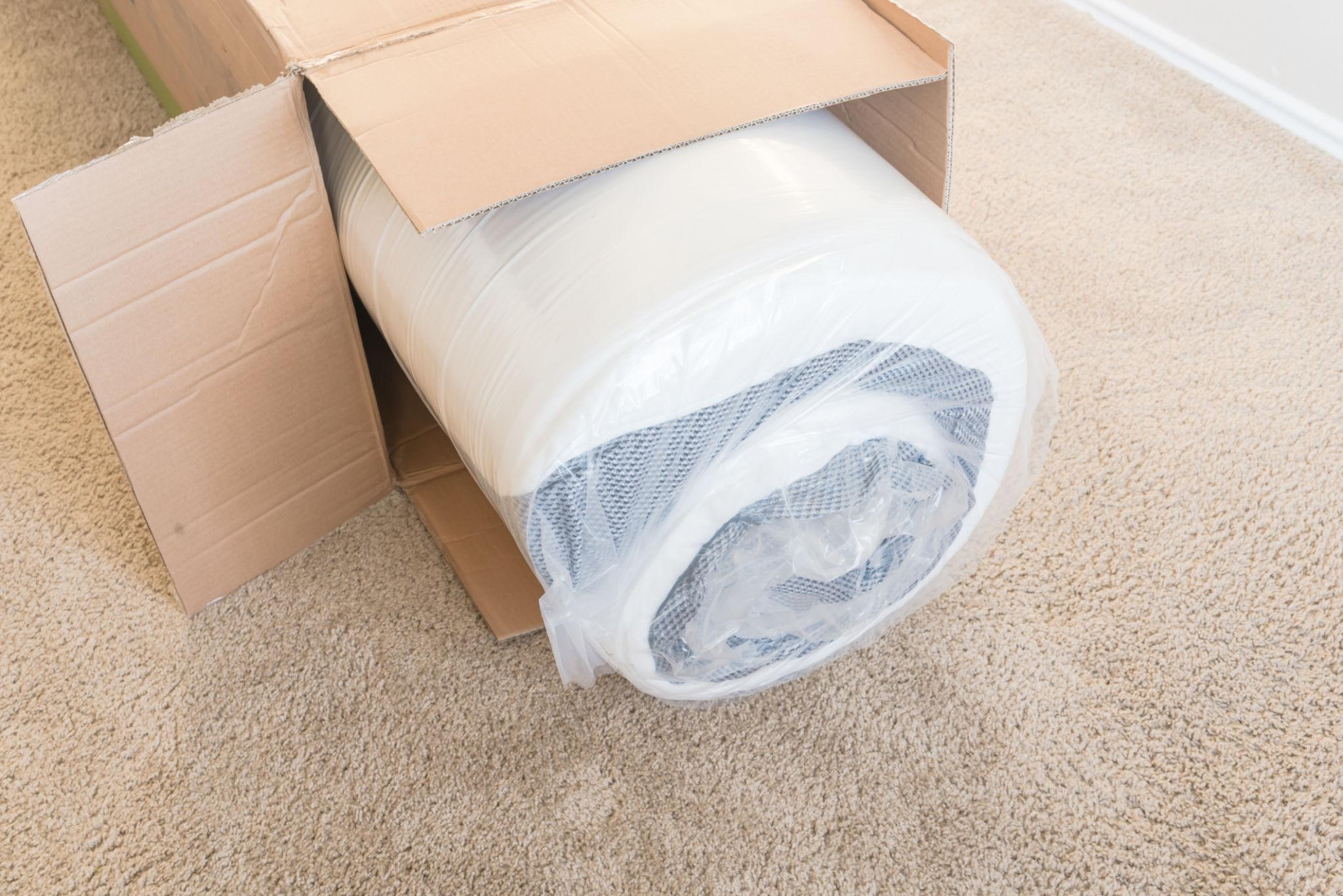
Retail and Export Markets: Easy to compress for shipment, quick recovery after unpacking.
Across these sectors, high rebound foam technology directly improves customer satisfaction, durability, and project ROI.
Matching Foam Density and Sofa Type to Real-World Needs
| Project Type | Recommended Sofa Type | Foam Density Range (kg/m³) | Key Value |
|---|---|---|---|
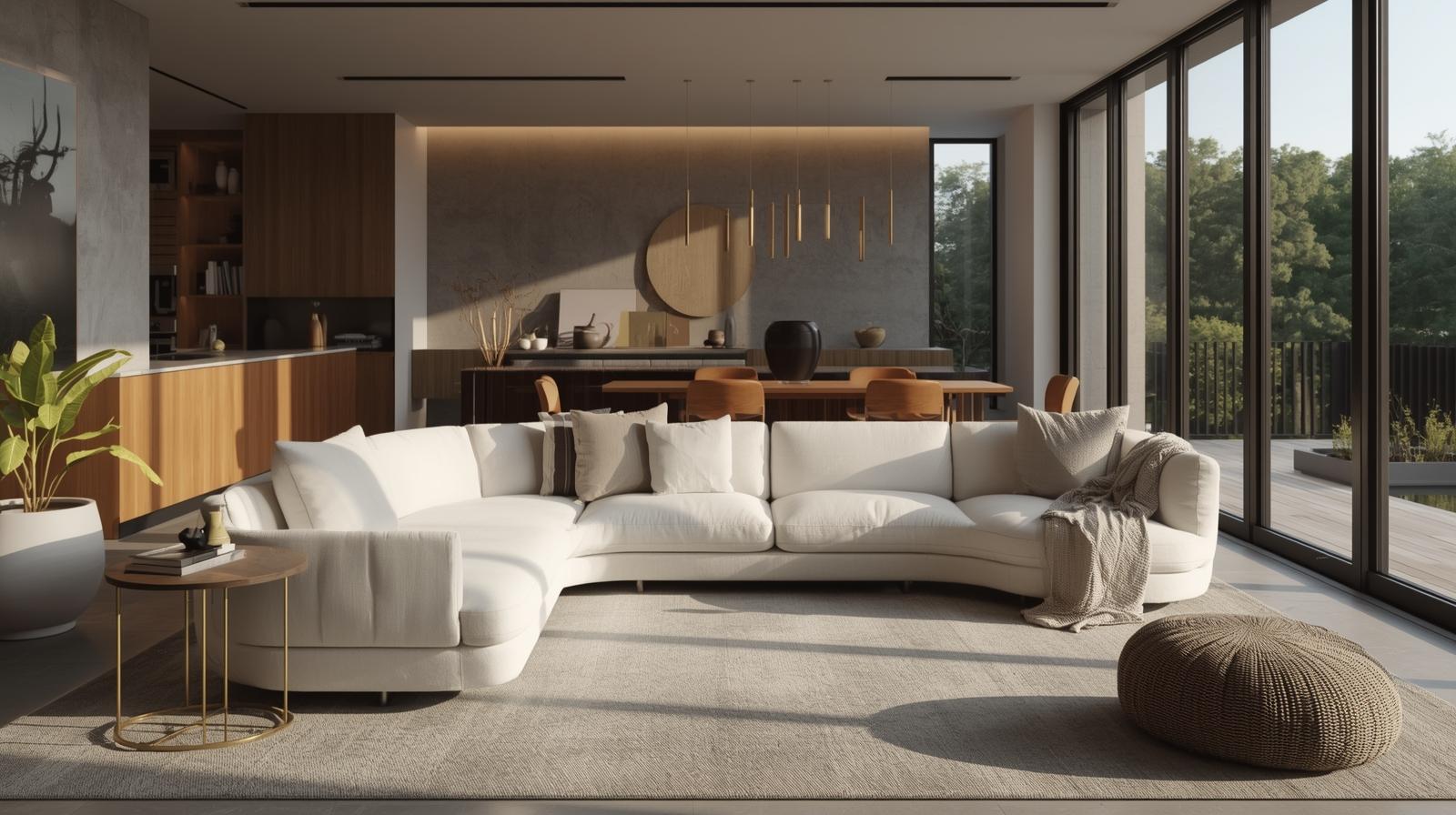
| Family Homes | L-shaped sectional | 35–40 | Comfort and elasticity |
| Hospitality Suites | Modular sofa bed | 40–45 | Heavy-duty durability |
| Apartments & Condos | Compact sofa | 35–38 | Lightweight and efficient |
| E-commerce Retail | Vacuum-packed sofa | 30–35 | Compact for logistics |
| Business Lounges | Fixed-frame sofa | 45+ | Long-term structural strength |
Choosing the right density ensures a perfect balance between load capacity, recovery speed, and sitting comfort for each use case.
Key Buyer Insights: Before You Order High Rebound Foam Sofas
Q1: How long can high rebound foam maintain its elasticity?
Typically 6–10 years under regular usage without significant compression loss.
Q2: Can these sofas be vacuum-packed for export?
Yes. High rebound foam’s elasticity allows safe compression and rapid shape recovery post-unpacking.
Q3: What’s the main difference from memory foam?
Memory foam molds slowly and feels denser, while high rebound foam offers faster recovery and better breathability, ideal for warm climates.
Q4: Are OEM specifications supported?
Yes. Foam density, fabric color, and branding can be customized for OEM or contract furniture buyers.
CV Castle: Building Sofas That Endure, Recover, and Perform
At CV Castle, we develop high rebound foam sofas that redefine comfort through material innovation and precision manufacturing.
Each model is designed to balance aesthetic appeal, mechanical performance, and export efficiency, ensuring our clients deliver superior seating experiences worldwide.
Discover more at the CV Castle homepage,
or contact our design and export team via the Contact Us page for project-specific solutions.