
From Static Designs to Dynamic Spaces: The Evolution of Collapsible Furniture
In today’s urban lifestyle, limited living spaces and rising rent costs have turned flexibility into a design priority.
Traditional fixed furniture struggles to adapt — it occupies space permanently and lacks versatility.
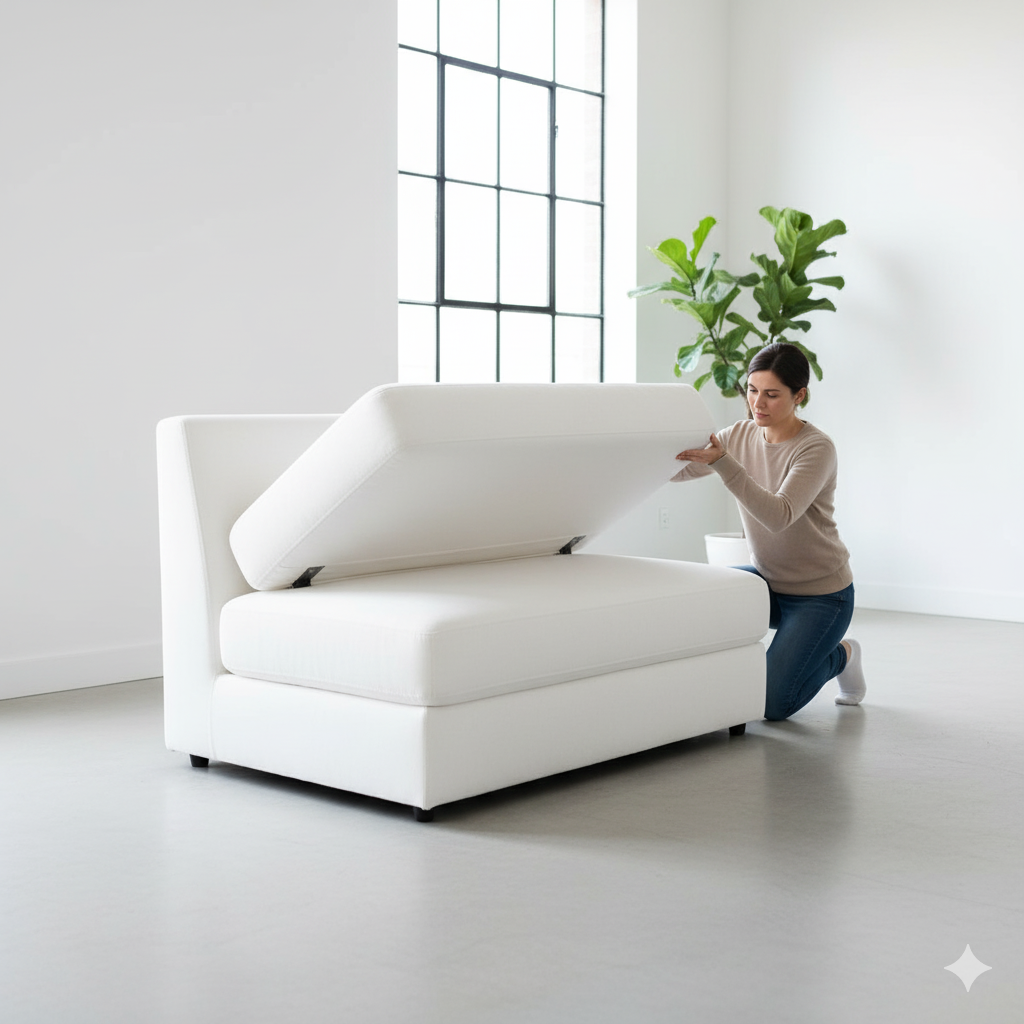
Collapsible furniture bridges this gap by offering products that can fold, retract, or transform, adapting seamlessly to different use scenarios.
This concept is no longer confined to travel or temporary housing—it’s now a mainstream solution for modern interiors and export markets.
Engineering Principles Behind Collapsible Systems
Behind every collapsible design lies a combination of mechanical precision and material innovation.
Each piece is engineered to retain strength even after multiple folds and movements.
Key technical principles include:
-
Multi-Axis Hinge Mechanisms: Enable folding or rotation without weakening joints.
-
Lightweight Alloy or Reinforced Wood Frames: Balance structural strength and portability.
-
Elastic Foam Cushions: Maintain comfort even in foldable configurations.
-
Lock-and-Slot Systems: Ensure stability when expanded and easy release when folded.
-
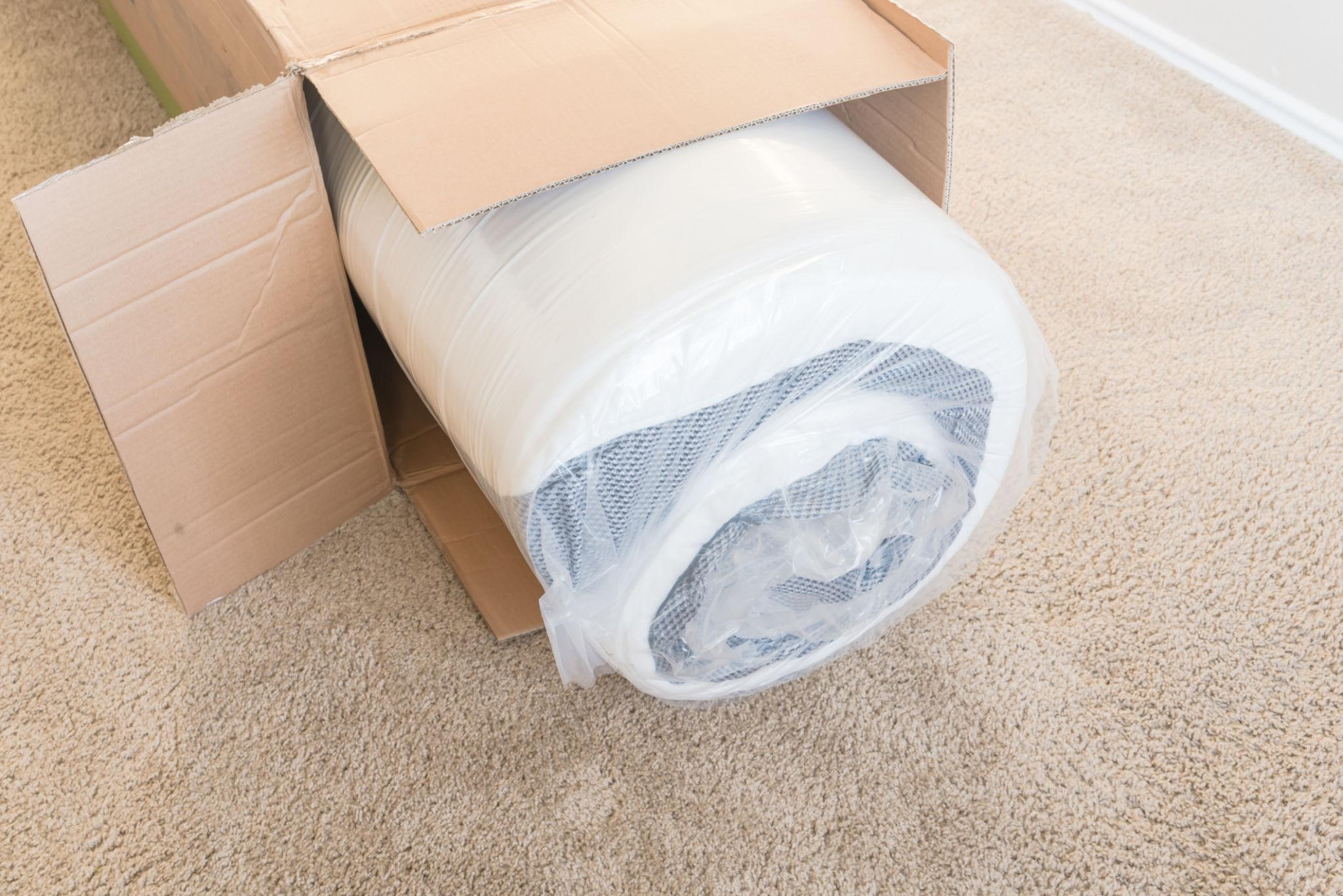
Vacuum-Compatible Design: For compact global shipping and easy storage.
The outcome: furniture that transforms effortlessly between form and function, reducing space usage without compromising on performance.
Why Collapsible Furniture Outperforms Fixed Designs
| Parameter | Traditional Furniture | Collapsible Furniture |
|---|---|---|
| Flexibility | Static and immobile | Foldable and multi-purpose |
| Space Use | Permanent footprint | Up to 70% space reduction |
| Mobility | Heavy and hard to transport | Lightweight and portable |
| Maintenance | Complex disassembly | Quick folding and cleaning |
| Export Efficiency | Bulky packaging | Compact shipping-ready |
| Durability | Single-use structure | Reusable folding mechanism |
This makes collapsible systems ideal for high-density housing, project developments, and international shipping.
Material Systems That Balance Lightness and Strength
At CV Castle, collapsible furniture is built on a foundation of compression-tested materials optimized for longevity:
-
High-Density Foam and Oxygen Cotton: Provide consistent rebound even under folding stress.
-
Corduroy and Linen Upholstery: Breathable, stylish, and wear-resistant.
-
Solid Wood or Aluminum Framework: Delivers structural rigidity with lightweight handling.
-
Durable Polymer Hinges: Maintain motion stability after repeated folding cycles.
-
Protective Coatings: Prevent corrosion or deformation during transport.
This approach ensures that every product remains easy to move, resilient under use, and visually modern.
Functional Advantages for Global Buyers
Collapsible furniture is particularly valuable in markets that prioritize space efficiency, cost control, and adaptability:
-
Urban Apartments: Compact designs fit smaller rooms without sacrificing comfort.
-
Hospitality and Rentals: Allow easy reconfiguration during seasonal turnover.
-
E-commerce Distribution: Reduce freight costs and simplify last-mile delivery.
-
Outdoor and Event Spaces: Enable quick setup and dismantling.
-
Corporate and Education Facilities: Offer multi-purpose layouts for hybrid use.
For project buyers, collapsible systems mean smarter logistics, reduced warehouse volume, and faster deployment.
Selection Guide: Matching Collapsible Furniture to Practical Use
| Environment | Recommended Design | Core Material System | Key Benefit |
|---|---|---|---|
| Urban Living | Foldable sofa or chair | Foam + alloy frame | Compact yet comfortable |
| Hotels & Serviced Units | Collapsible modular sets | Linen + aluminum | Flexible layout and durability |
| Student Housing | Foldable desks and seating | Polymer + wood composite | Cost-effective and easy to install |
| Retail & E-commerce | Vacuum packed collapsible models | Foam + fabric | Efficient logistics and storage |
| Event & Outdoor Spaces | Portable folding systems | Metal + treated wood | Weather-resistant and mobile |
This guide helps procurement teams select the right design combination for comfort, durability, and market application.
Buyer FAQs: Understanding Collapsible Furniture Performance
Q1: How long can folding mechanisms last?
High-grade hinge systems are tested for over 10,000 folding cycles without structural failure.
Q2: Does repeated folding damage upholstery or foam?
No. All materials are compression-rated to retain elasticity and shape recovery after multiple uses.
Q3: Can collapsible furniture support OEM customization?
Yes. CV Castle provides customized dimensions, fabrics, and frame finishes for OEM or project buyers.
Q4: Is the furniture suitable for export and long storage?
Absolutely. All models are vacuum-sealed and moisture-protected for global shipping conditions.
CV Castle: Mobility and Strength, Engineered Together
At CV Castle, we design collapsible furniture that combines modern flexibility with industrial reliability.
Every product is created for smart use of space, ease of transport, and lasting performance across residential and commercial projects.
Explore our full range of space-saving solutions on the CV Castle homepage
or contact our export team through the Contact Us page for OEM and bulk inquiries.