
Antibacterial Fiber Mattress Board: Improving Hygiene and Durability from the Inside Out
Mattress hygiene is often judged by what people can see.
Fabric covers, quilting patterns, surface treatments—these are the visible signals. Yet in real-world use, long-term hygiene performance is shaped far more by internal structure than by surface appearance.
This is where the antibacterial fiber mattress board plays a quiet but decisive role. For manufacturers, distributors, and project buyers, it is not a marketing feature. It is a risk-control component—one increasingly emphasized in mattress systems developed for high-rotation and hygiene-sensitive environments, including those showcased across the CV Castle homepage.
What an Antibacterial Fiber Mattress Board Actually Does
An antibacterial fiber mattress board is positioned at the base or internal support layer of a mattress. Its primary role is not cushioning, but stabilization and hygiene protection.
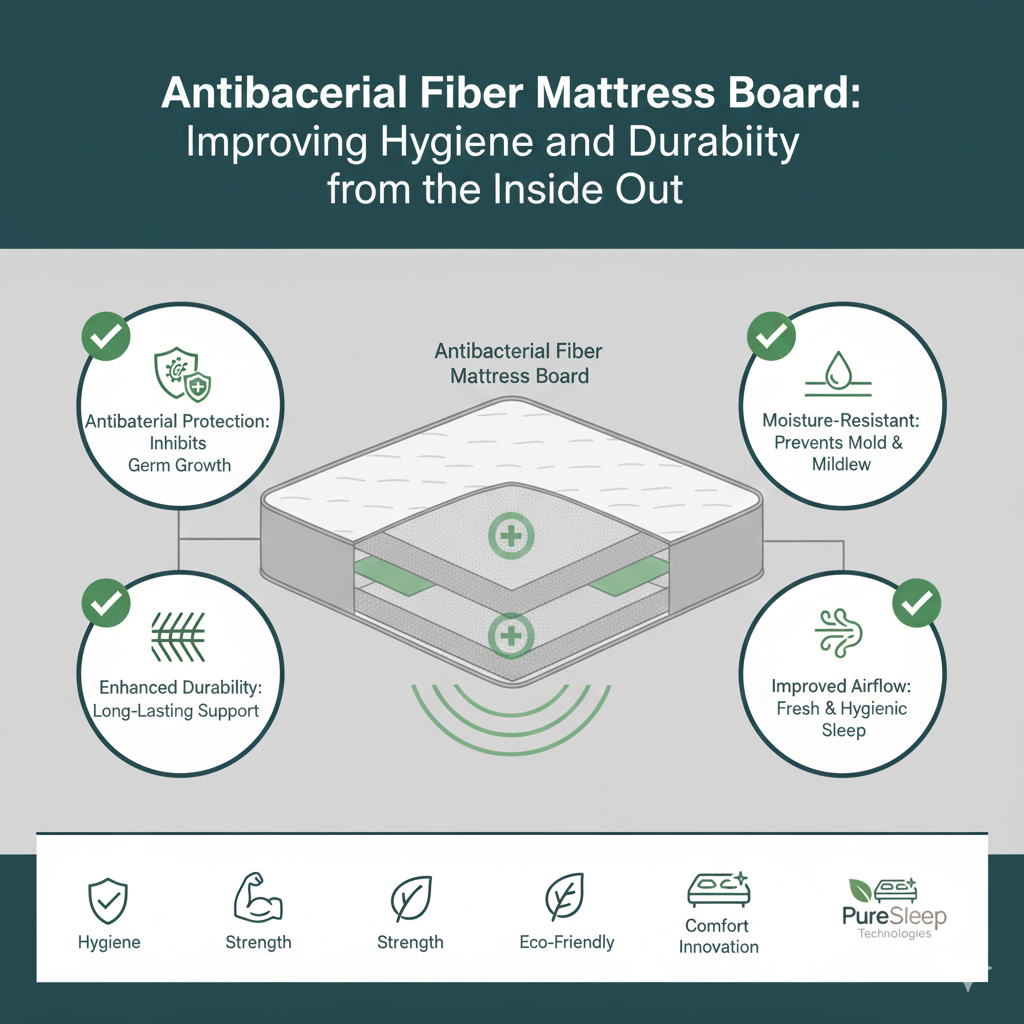
By incorporating antibacterial-treated fibers into a dense structural board, this layer helps inhibit microbial growth in areas where moisture and heat tend to accumulate over time. Unlike surface fabrics, which are frequently replaced or washed, internal boards remain in place for the entire product lifecycle.
That permanence makes material choice especially consequential.
Why Internal Hygiene Matters More Than Surface Treatments
Surface antibacterial fabrics attract attention because they are easy to demonstrate. Internal hygiene layers, by contrast, are invisible—but more influential.
Moisture introduced through perspiration, humidity, or cleaning migrates downward. When trapped near the base of a mattress, it creates conditions favorable to bacteria and odor development. An antibacterial fiber mattress board addresses this risk by combining:
-
Dense fiber structure that resists moisture retention
-
Antibacterial agents that suppress microbial growth
-
Dimensional stability that prevents deformation over time
The result is not just cleaner perception, but slower degradation of internal materials.
Structural Contribution Beyond Hygiene
Hygiene is only part of the story.
A fiber mattress board also contributes to overall structural stability. It distributes load evenly across the mattress base, supports spring systems or foam layers above, and prevents localized sagging—especially important in mattresses designed for compression and long-distance transport.
In this sense, antibacterial fiber boards support both health-related performance and mechanical longevity. That dual function is why they are increasingly specified in mid- to high-tier mattress constructions rather than treated as optional add-ons.
One Table Buyers Need: Antibacterial Fiber Board vs Standard Board
| Evaluation Factor | Antibacterial Fiber Mattress Board | Standard Fiber Board |
|---|---|---|
| Microbial Control | Actively inhibits growth | None |
| Odor Resistance | Improved | Limited |
| Moisture Tolerance | Higher | Variable |
| Structural Stability | Consistent | Standard |
| Suitability for High-Rotation Use | Strong | Moderate |
This comparison highlights a key point: antibacterial boards do not replace other hygiene measures, but they significantly extend internal cleanliness and durability.
Where Antibacterial Fiber Mattress Boards Add the Most Value
These boards are particularly effective in mattresses intended for:
-
Hotels and serviced apartments
-
Rental housing and student accommodation
-
Healthcare and assisted-living facilities
-
Markets with high humidity or limited ventilation
In such environments, mattresses experience frequent use cycles and limited recovery time. Internal hygiene layers help mitigate cumulative wear that surface solutions alone cannot address.
Compatibility with Modern Mattress Structures
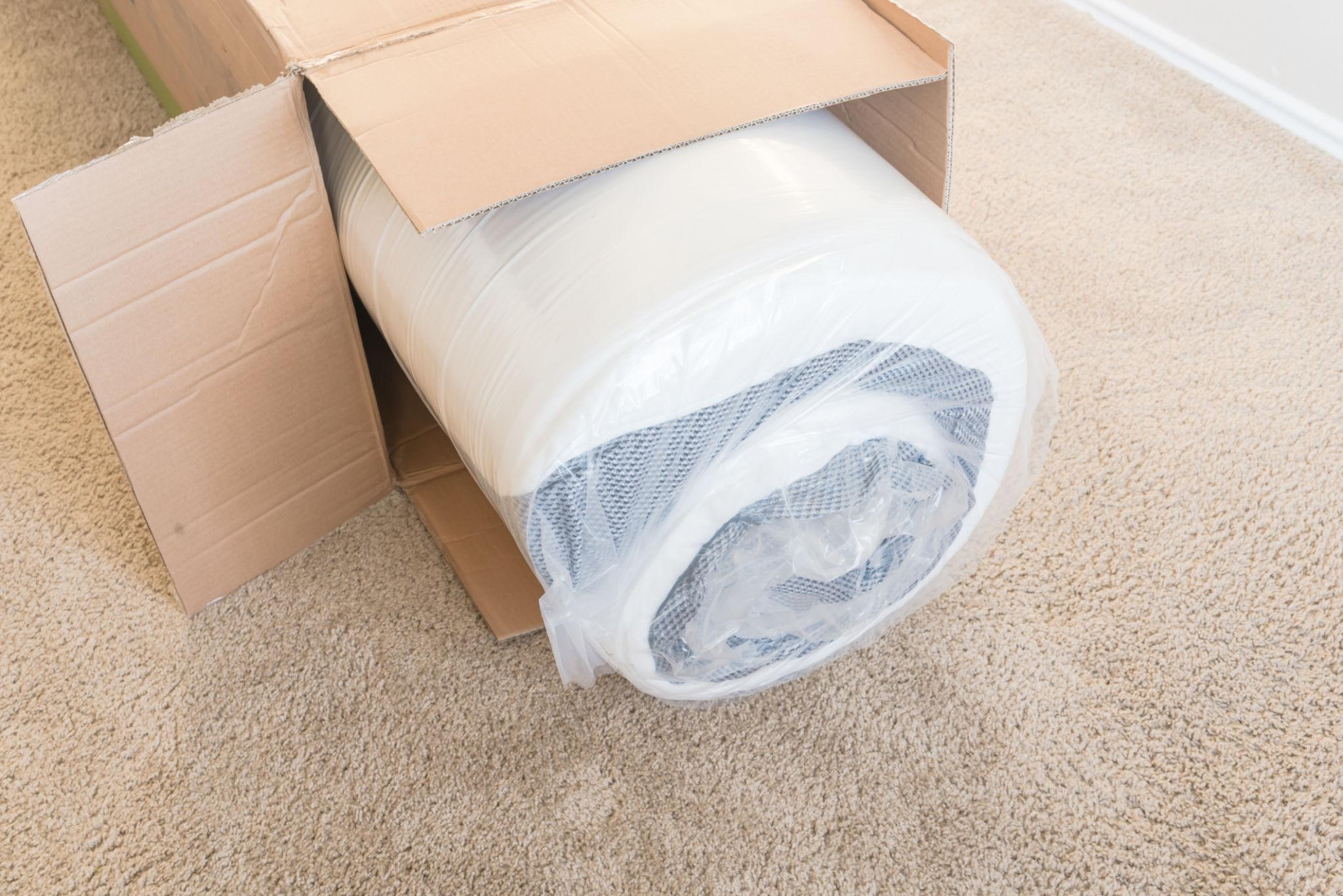
Antibacterial fiber mattress boards integrate well with both foam-based and pocket spring mattresses. In compressed or roll-packed products, they also provide dimensional stability during packaging and recovery.
For B2B buyers sourcing mattresses designed for vacuum or roll compression, verifying base board resilience and antibacterial treatment durability becomes especially important. Compression introduces stress. Inferior boards reveal weaknesses quickly.
What Buyers Should Verify with Suppliers
Before specifying an antibacterial fiber mattress board, buyers should clarify:
-
The antibacterial treatment method and durability
-
Resistance to moisture absorption over time
-
Structural integrity after compression and storage
-
Compliance with relevant hygiene or material standards
Suppliers who can document these aspects transparently typically design mattresses for long-term performance rather than short-term claims.
From Internal Component to Brand Protection
An antibacterial fiber mattress board rarely appears in marketing headlines.
Yet its impact is felt when complaints do not happen—when odor issues are reduced, when structural integrity holds, and when products age predictably.
For brands and distributors, this component functions as silent brand protection. It reduces downstream risk in environments where hygiene expectations are rising and tolerance for product failure is shrinking.
Manufacturers presenting fully integrated mattress structures—rather than isolated features—are increasingly recognized for this systems-level thinking, as reflected in the material strategies shared across the CV Castle official website.
Final Perspective: Hygiene Begins Inside the Mattress
Surface materials influence first impressions. Internal components determine long-term outcomes.
Antibacterial fiber mattress boards address hygiene where it actually develops—inside the structure, over time. When specified correctly, they improve durability, reduce odor risk, and support stable mattress performance across demanding use cases.
For B2B buyers evaluating mattress construction for bulk sourcing or project supply, discussing internal hygiene layers early helps avoid costly corrections later.
You can begin that discussion directly through the CV Castle Contact Us page to assess whether antibacterial fiber board integration aligns with your product and market requirements.