
Global mattress buyers face a difficult challenge. Consumers increasingly expect pressure relief, airflow, and premium comfort, while manufacturers and distributors need efficient packaging, lower shipping costs, and consistent product performance after delivery.
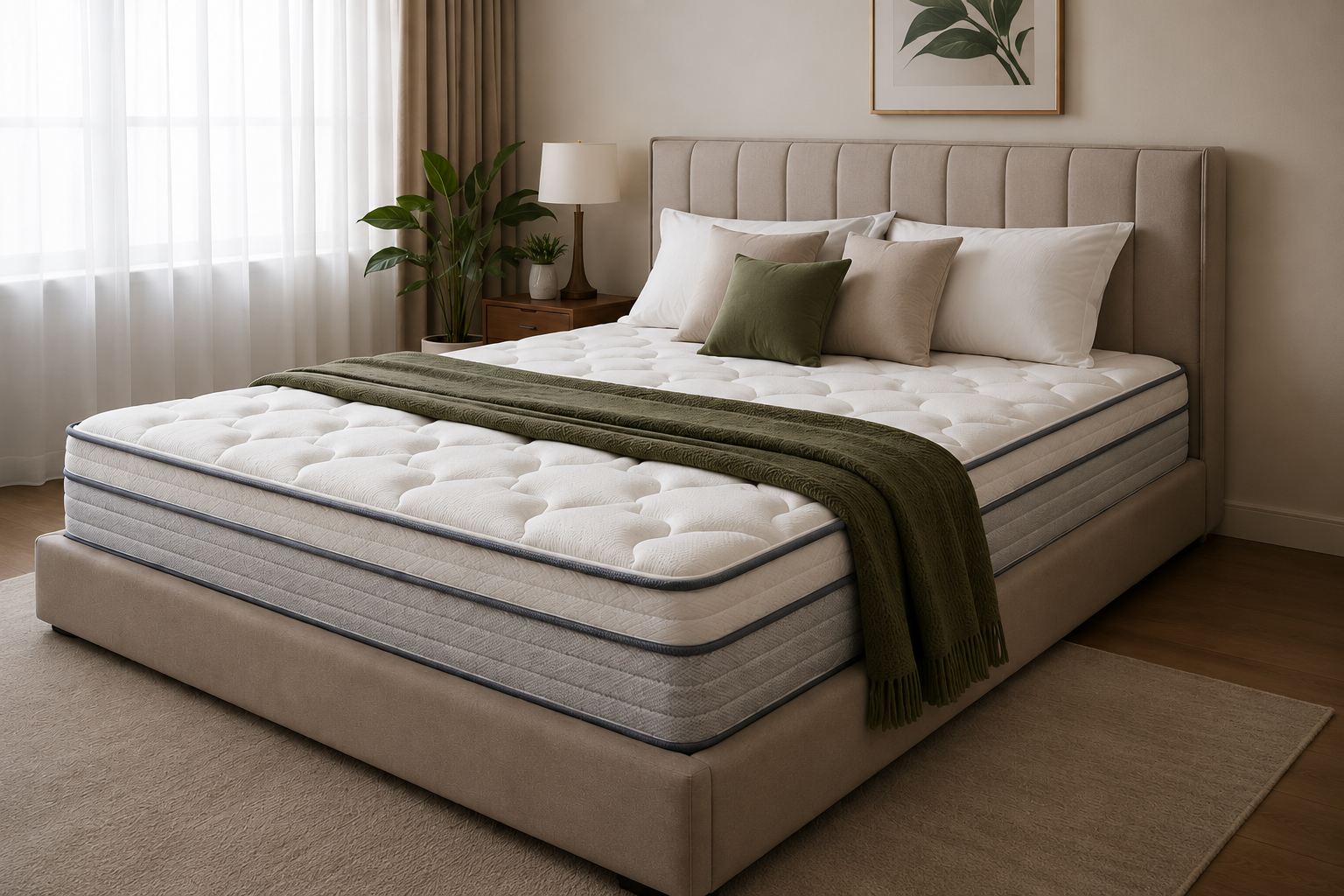
A latex hybrid compressed mattress combines the elasticity of latex with engineered support layers such as pocket springs or high-density foam. The result is a mattress structure that can be compressed for logistics efficiency while still maintaining comfort, support, and durability after recovery. This combination has become increasingly popular among OEM bedding suppliers serving hospitality, e-commerce, and residential markets.
Why Standard Compressed Mattresses Often Receive Complaints
Many compressed mattresses perform well in packaging tests but fail in real-world use.
Common complaints include:
- Slow recovery after unpacking
- Excessive heat retention
- Uneven body support
- Edge collapse
- Reduced durability after long storage periods
For distributors and hospitality buyers, these issues often lead to product returns, negative reviews, and increased after-sales costs.
This is why more buyers are evaluating whether a latex hybrid compressed mattress can provide better long-term performance than traditional compressed foam mattresses.
How Hybrid Mattress Engineering Works
Hybrid structures are designed to combine the strengths of different materials.
Latex Layer
Provides:
- Responsive comfort
- Pressure relief
- Natural airflow
- Long-term elasticity
Support Core
Typically uses:
- Pocket spring systems
- High-density support foam
This creates a balanced sleeping surface while maintaining structural integrity after compression.
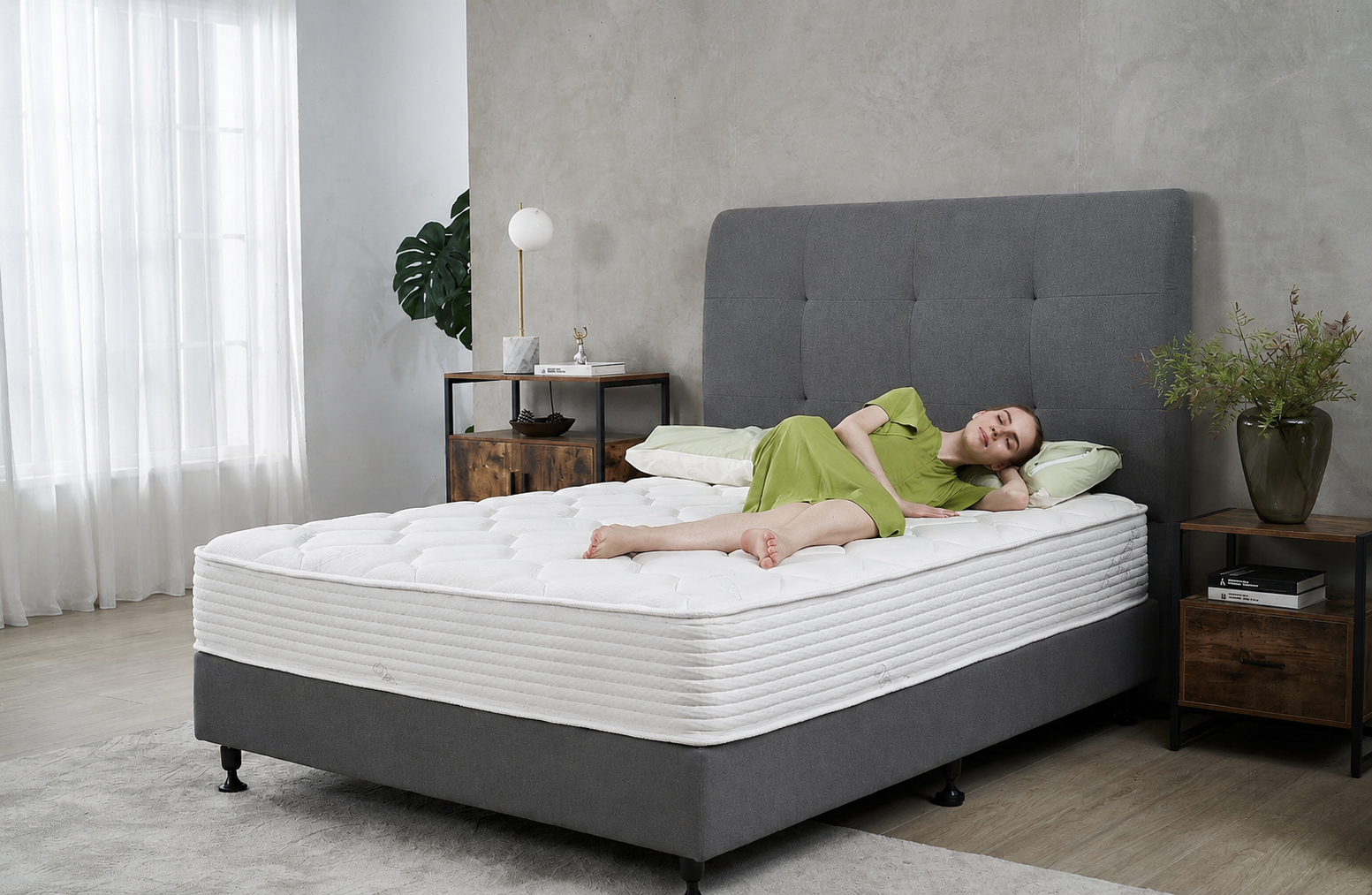
Unlike all-foam mattresses, a latex hybrid compressed mattress distributes weight more evenly and improves rebound consistency across different sleeping positions.
Hybrid Structure vs Traditional Mattress Systems
| Performance Factor | Latex Hybrid Compressed Mattress | Standard Foam Mattress |
|---|---|---|
| Airflow Performance | +25%–40% | Standard |
| Recovery Speed | +20%–35% | Lower |
| Pressure Relief | Excellent | Good |
| Motion Isolation | Excellent | Moderate |
| Return Rate | ↓ 10%–25% | Higher |
| Long-Term Durability | +20%–30% | Standard |
These performance differences directly affect customer satisfaction and product lifespan.
Compression Technology: The Key to Export Efficiency
Compression is more than simply reducing volume.
A successful export mattress must maintain:
- Structural integrity
- Comfort consistency
- Edge stability
- Recovery speed
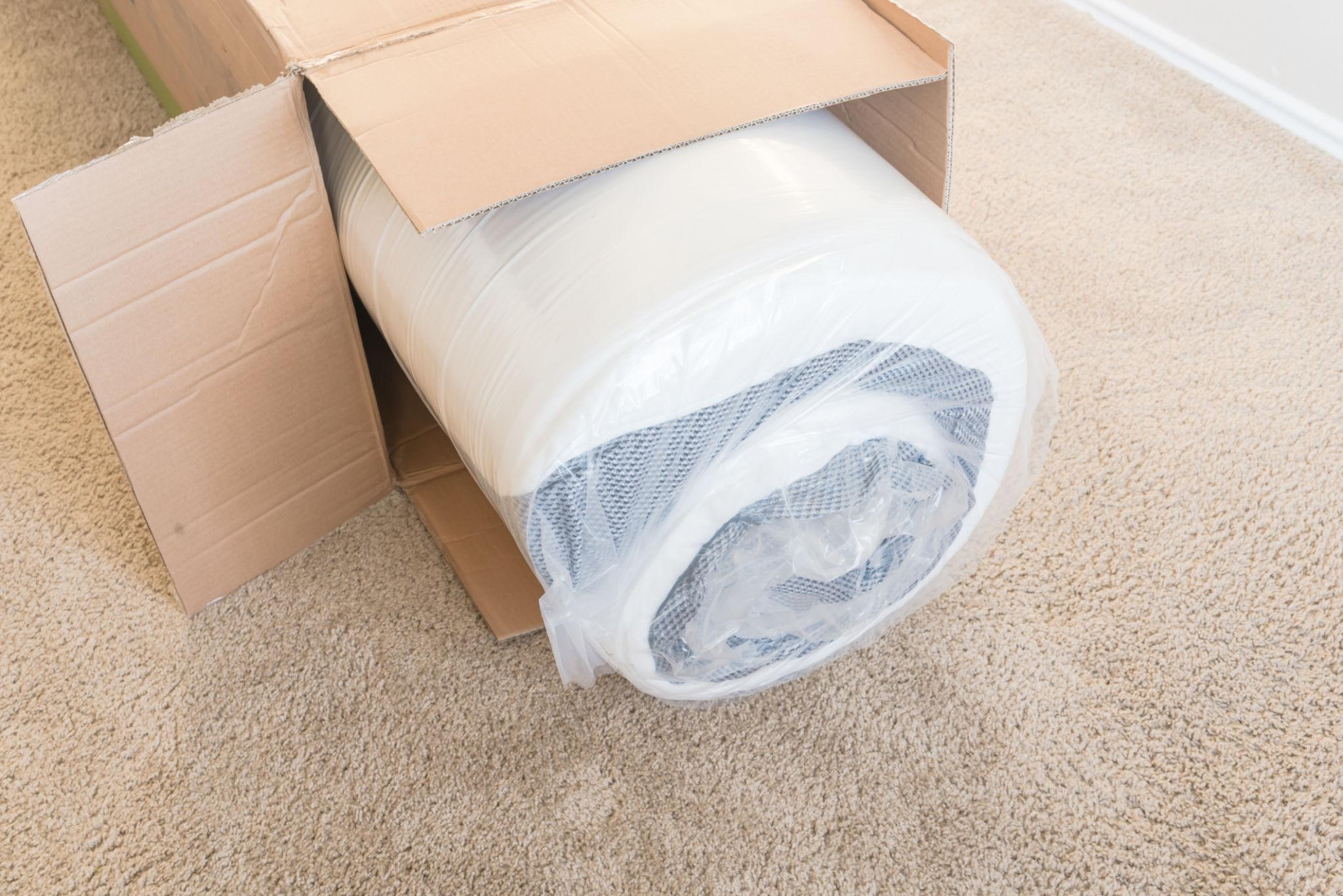
Modern compression systems allow a latex hybrid compressed mattress to reduce shipping volume by 40%–60% while maintaining performance after unpacking.
For cross-border e-commerce and container shipments, this translates into substantial logistics savings.
Why OEM Buyers Prefer Hybrid Mattress Systems
For mattress brands, distributors, and wholesalers, hybrid systems offer several advantages:
Better Product Positioning
Hybrid mattresses are commonly viewed as premium products.
Reduced Return Rates
Improved support and recovery help reduce customer complaints.
Broader Market Coverage
Suitable for:
- Hospitality projects
- Residential retail
- Online mattress brands
- Rental housing programs
Stronger Price Competitiveness
The combination of premium comfort and compressed logistics improves overall value.
Application Scenarios
A latex hybrid structure performs particularly well in:
Hospitality Projects
Hotels require durability, airflow, and support consistency.
E-Commerce Mattress Brands
Roll-packed delivery improves shipping efficiency and customer convenience.
Residential Bedding Collections
Consumers increasingly prefer hybrid comfort systems over traditional foam mattresses.
Export Programs
Compression allows better container utilization and lower transportation costs.
How to Choose the Right Latex Hybrid Mattress
When sourcing a hybrid mattress, buyers should evaluate:
Latex Density
Higher-quality latex generally offers better resilience and durability.
Support Core Design
Pocket springs typically provide superior airflow and motion isolation.
Compression Recovery Testing
Verify recovery performance after extended compression periods.
Edge Support
Strong edge reinforcement improves usability and longevity.
Fabric Selection
Breathable fabrics improve comfort and moisture management.
A properly engineered latex hybrid compressed mattress should balance all of these elements rather than focusing on one specification alone.
Frequently Asked Questions
Q1: Is a hybrid mattress better than an all-foam mattress?
For many users, yes. Hybrid structures generally provide better airflow, support, and durability while maintaining comfort.
Q2: How long does a compressed hybrid mattress take to recover?
Most high-quality compressed mattresses recover substantially within 24–72 hours, depending on materials and storage duration.
Q3: Can hybrid mattresses be shipped internationally?
Yes. Compression technology makes hybrid mattresses highly suitable for export and cross-border e-commerce.
Final Thoughts
The mattress market continues to evolve toward products that combine comfort, durability, and logistics efficiency. Hybrid engineering allows manufacturers to meet these demands while reducing shipping costs and improving customer satisfaction.
A well-designed latex hybrid compressed mattress provides pressure relief, airflow, support stability, and reliable recovery after transport. For OEM buyers, distributors, and hospitality suppliers, it represents one of the most practical solutions for today's global bedding market.
Learn more about our manufacturing capabilities on our About Us page:
https://www.cvcastle.com/about-us
Explore our mattress collections and OEM solutions:
https://www.cvcastle.com/products
For customization, quotations, and project support, visit our Contact page:
https://www.cvcastle.com/contact-us