
Vacuum Packed Furniture: Maximizing Space, Minimizing Shipping Costs
For decades, one of the biggest obstacles in global furniture trade has been inefficient shipment density. Traditional furniture occupies large container space, raising freight costs and storage fees while exposing products to potential damage.
Common challenges for exporters and importers include:
-
Containers underutilized by up to 60% empty space.
-
High shipping costs cutting into profit margins.
-
Deformation and humidity damage during long-distance transport.
-
Difficult post-shipment handling for multi-unit projects like hotels or apartments.
As global trade grows more cost-competitive, vacuum packed furniture has emerged as a smarter solution — balancing comfort, design, and logistics efficiency.
How Vacuum Packing Transforms Furniture Export
Vacuum packed furniture manufacturing integrates advanced compression and sealing systems that reduce air volume while preserving product integrity.
Core process elements include:
-
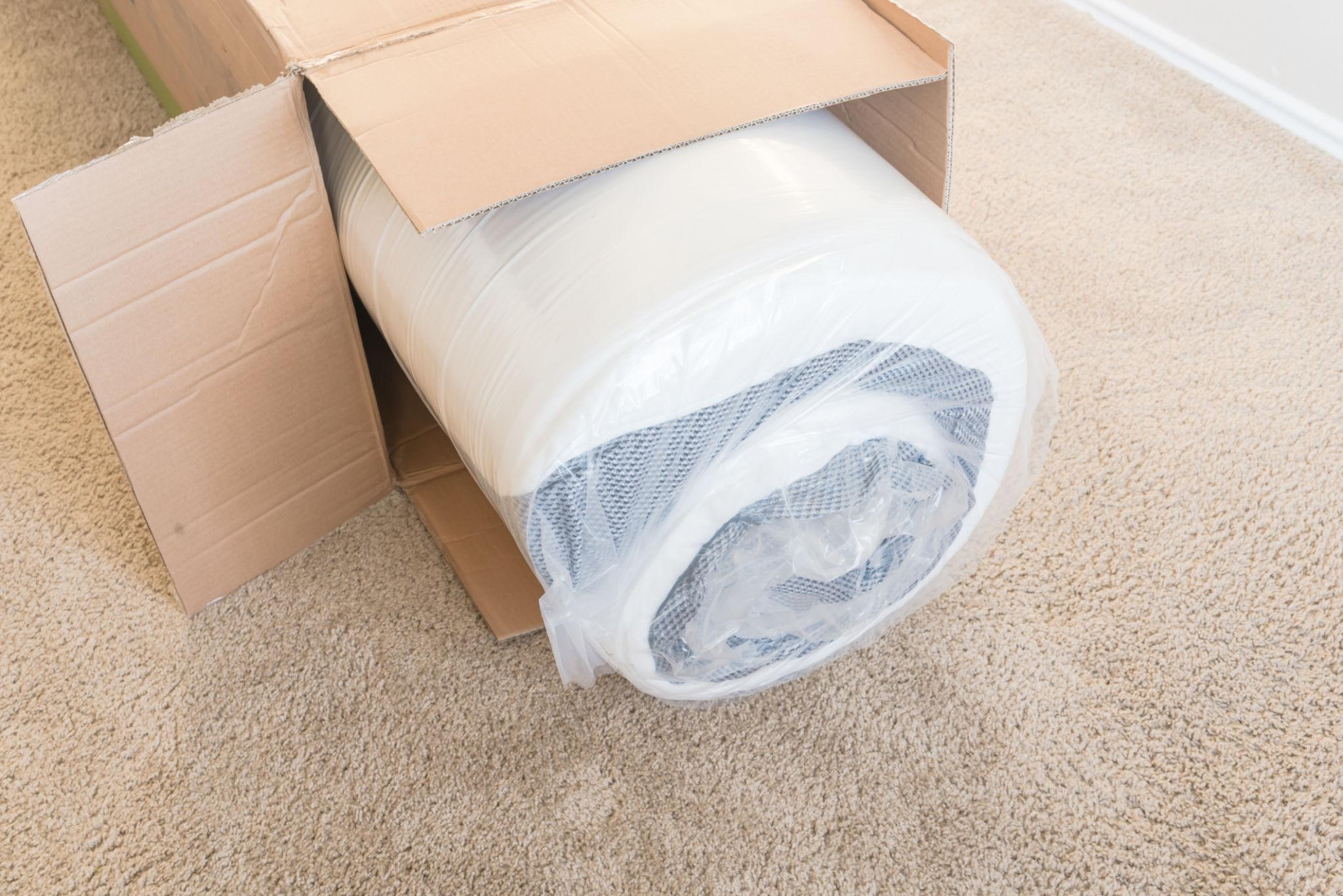
Vacuum Compression – Air is extracted from foam and cushion layers, reducing volume by 60–70%.
-
Pressure Calibration – Ensures structural resilience during shipping and rebound on unpacking.
-
Moisture-Proof Sealing Film – Multi-layer plastic wrap prevents oxidation and humidity exposure.
-
Rebound Verification – Each batch is tested for recovery rate and firmness after decompression.
-
Temperature-Controlled Storage – Maintains material elasticity throughout transit.
The result: furniture that ships compactly, expands perfectly, and maintains comfort identical to pre-compression conditions.
Traditional vs. Vacuum Packed Furniture: A Performance Comparison
| Feature | Conventional Furniture | Vacuum Packed Furniture |
|---|---|---|
| Shipping Volume | High, space inefficient | Up to 70% reduction |
| Freight Cost | High due to low density | 40–60% lower per unit |
| Product Safety | Prone to deformation | Sealed, vibration-resistant |
| Assembly | Fully pre-assembled | Flat or modular components |
| Sustainability | Excess packaging | Minimal film, recyclable materials |
Vacuum technology fundamentally shifts global logistics — turning bulky products into efficient, eco-friendly shipments ready for long-distance export.
The Engineering Behind the Comfort
Our factory uses multi-layer foam and advanced fabric systems that ensure rebound, durability, and user comfort even after weeks in compression.
Furniture Material System:
-
Polymer Sponge + High-Density Foam: Maintains core elasticity and comfort.
-
Corduroy or Wool Fabric Options: Soft yet durable surfaces that breathe.
-
Oxygen Cotton Layer: Adds plush softness and moisture balance.
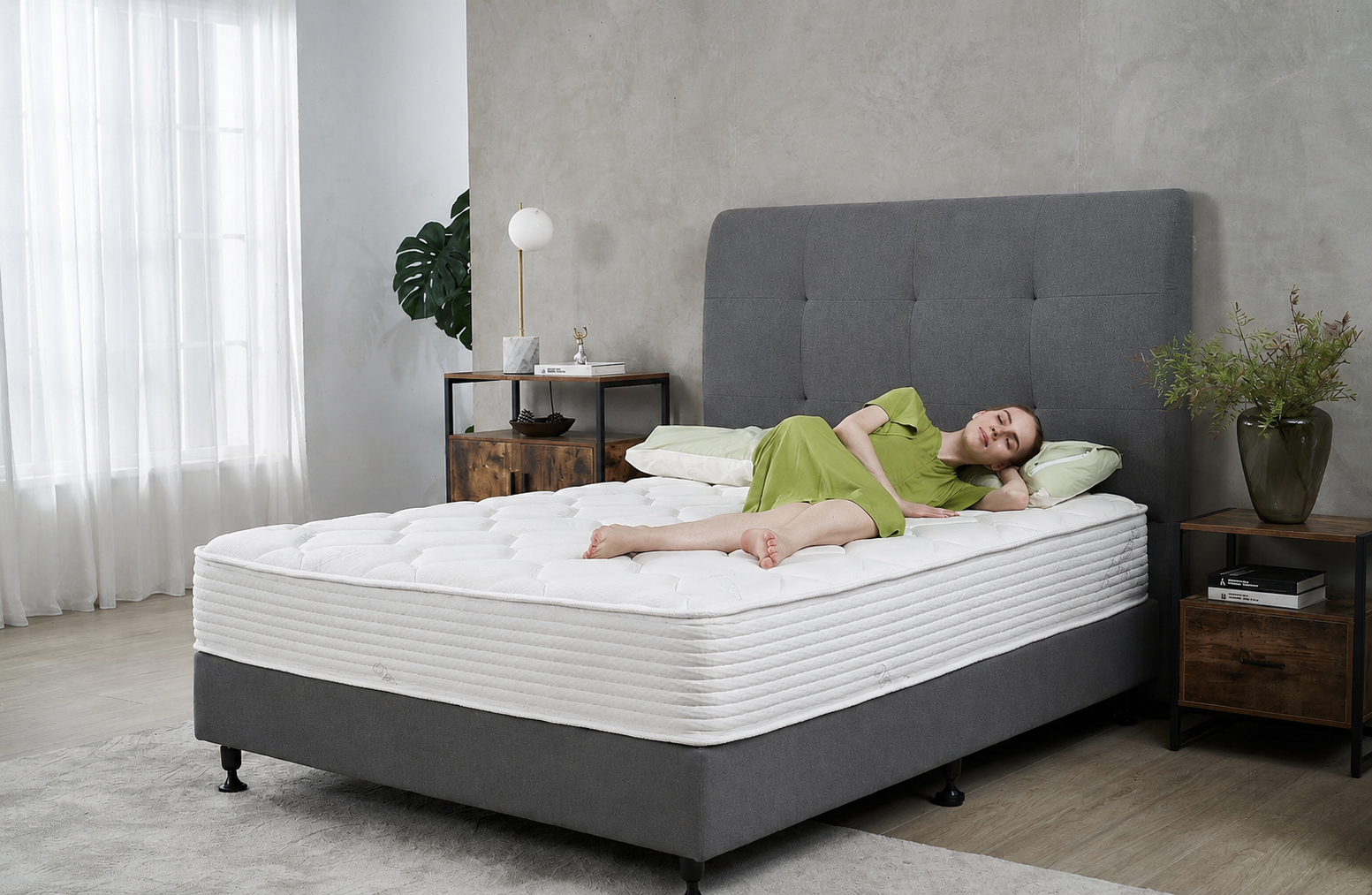
Mattress Material System:
-
Elastic Compressed Cotton + Natural Latex: Reinforces comfort and airflow.
-
Eco PK Isolation Layer: Improves resilience and temperature control.
-
Five-Zone Independent Spring Core: Supports body contour quietly and evenly.
Every layer is designed to rebound precisely after vacuum release — combining mechanical design and textile science for a lasting performance.
Where Vacuum Packed Furniture Delivers the Most Value
-
Hotel and Resort Projects – Simplifies bulk shipment and on-site setup.
-
Serviced Apartments & Real Estate – Compact storage before installation.
-
E-commerce Fulfillment – Enables door-to-door delivery without damage.
-
Student Housing – Reduces setup cost and simplifies inventory management.
-
Container Homes & Modular Builds – Supports space-optimized logistics worldwide.
These environments benefit not only from reduced freight costs but also from consistent quality and faster deployment.
Choosing the Right Vacuum-Packed Solution
| Project Type | Recommended Product | Compression Ratio | Key Benefit |
|---|---|---|---|
| Hotels & Resorts | Vacuum-packed modular sofa | 65–70% | Efficient for global bulk export |
| Apartments | Roll-packed mattress | 60% | Quick installation, comfortable recovery |
| Student Housing | Foldable sofa bed | 55–65% | Durable, compact, easy maintenance |
| E-commerce Orders | Flat-packed sofa | 60% | Lightweight for shipping |
| Modular Projects | Complete vacuum furniture kit | 70% | Simplifies transport for multiple units |
By matching compression ratios and product types to the end-use scenario, buyers can maximize both cost efficiency and operational practicality.
Key Buyer Questions About Vacuum Packed Furniture
Q1: Does vacuum packing affect comfort or durability?
No. Compression is temporary — materials like polymer sponge and high-density foam are designed for full recovery after unpacking.
Q2: How long can vacuum packed furniture stay sealed?
Up to 6 months under proper storage conditions, with minimal moisture exposure.
Q3: Can I request OEM branding for vacuum packed products?
Yes. Custom packaging, private labeling, and design adjustments are supported.
Q4: Is the packaging recyclable?
Yes. The outer film and sealing materials meet global recyclability standards (LDPE / PE).
CV Castle: Smart Compression, Smarter Logistics
At CV Castle, we specialize in vacuum packed furniture systems that merge craftsmanship, material science, and export-ready design.
From sofas to mattresses, our compression and rebound technology delivers the perfect balance between comfort, compactness, and reliability.
Learn more about our compression innovations on the homepage or contact our export specialists through the Contact Us page for tailored OEM solutions.