
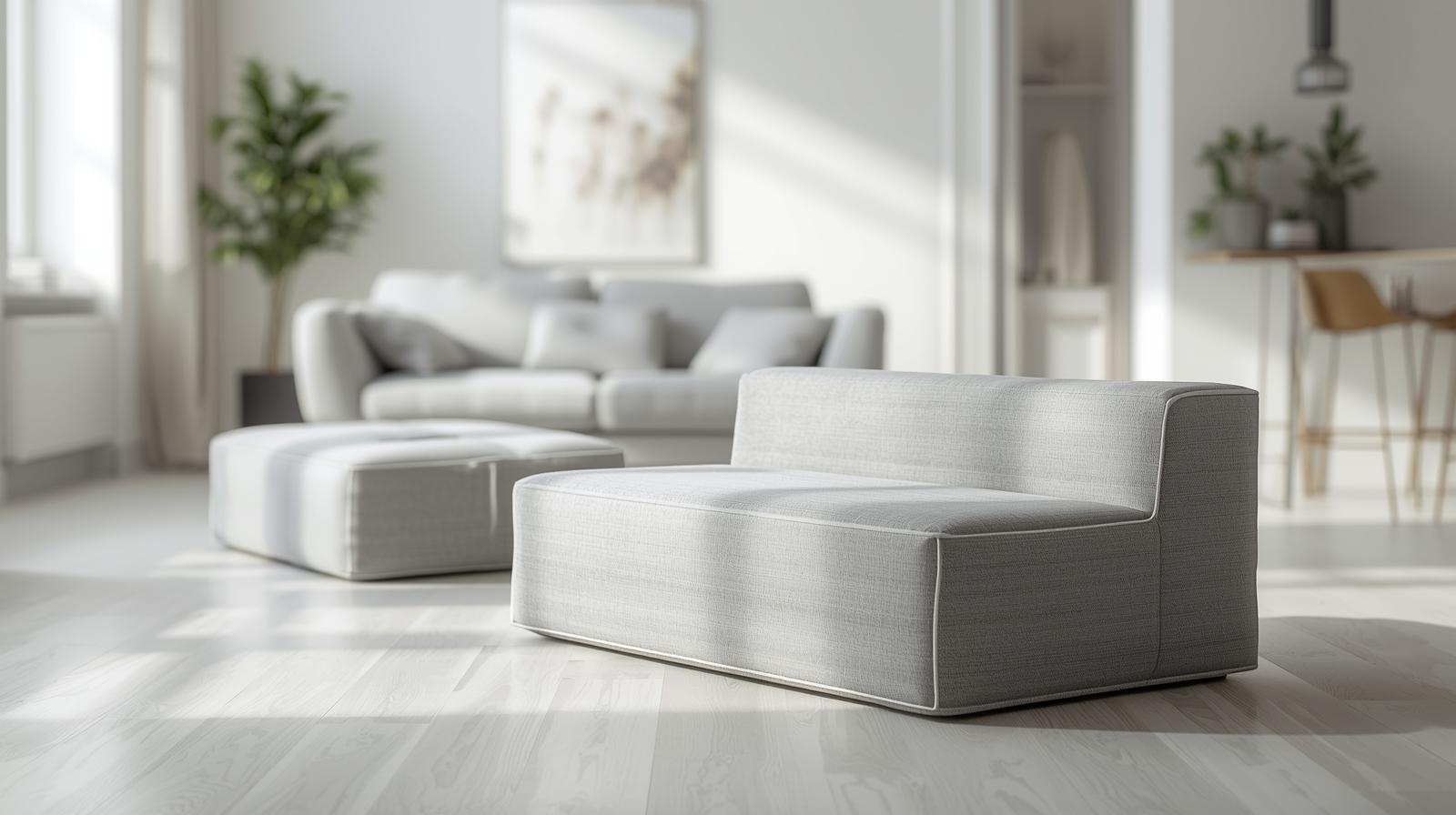
Why Vacuum Packed Foam Sofas Fit Modern Apartment Living
Apartment living has changed faster than furniture design.
Spaces are smaller. Delivery windows are tighter. Elevators, staircases, and building regulations increasingly shape what residents can realistically bring home.
In this environment, vacuum packed foam sofas are not a niche packaging idea. They are a response to how modern apartments actually function. For furniture brands and distributors supplying urban markets, this shift is less about lifestyle marketing and more about delivery feasibility and post-sale experience—a focus increasingly reflected by manufacturers building compressed furniture systems like those outlined on the CV Castle homepage.
Urban Space Constraints Are a Logistics Problem First
Modern apartments prioritize efficiency. Furniture must pass through narrow corridors, fit into elevators, and be moved by limited manpower. Traditional sofas were never designed with these constraints in mind.
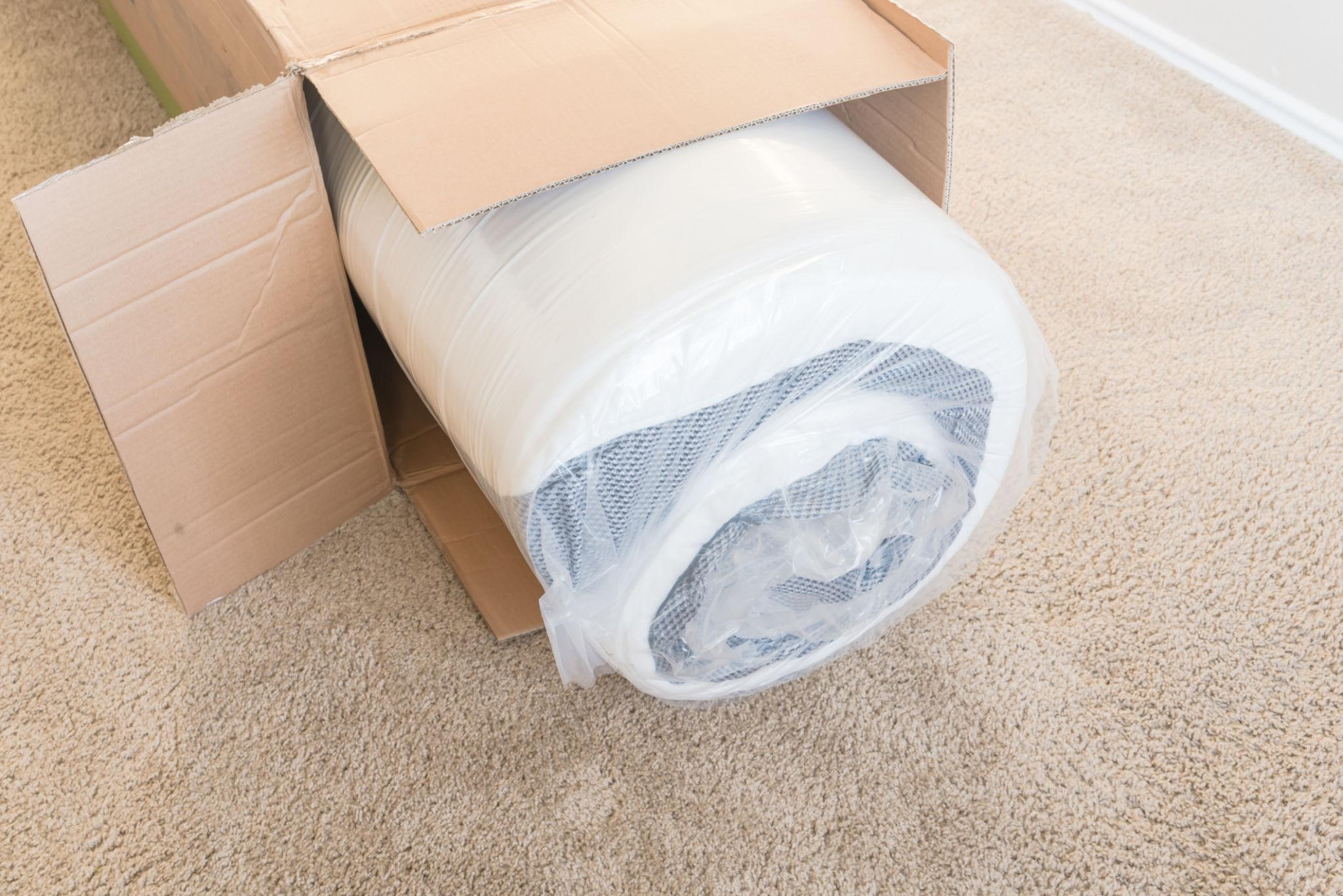
Vacuum packed foam sofas address this mismatch by reducing volume before the product ever reaches the customer. Smaller packages move through buildings more easily, require fewer delivery attempts, and reduce damage risk during handling.
For B2B buyers, this translates into fewer failed deliveries, lower last-mile costs, and improved customer satisfaction in dense urban environments.
Foam Structure Makes Vacuum Packing Viable for Apartments
Vacuum compression only works when materials behave predictably under pressure. Foam-based sofas meet this requirement.
Elastic foam compresses evenly, holds reduced volume under vacuum, and gradually returns to its intended form once unpacked. Unlike rigid frames or loose fillings, foam does not rely on gravity or manual shaping to recover.
This matters in apartment living, where residents expect quick usability without professional installation. A vacuum packed foam sofa that recovers reliably allows end users to unpack, place, and use the product with minimal disruption.
Delivery Experience Shapes Perceived Product Quality
Apartment customers often judge furniture quality before they ever sit down.
If delivery is delayed, requires multiple attempts, or damages walls and door frames, dissatisfaction begins early. Vacuum packed foam sofas simplify delivery by reducing handling complexity and minimizing the need for specialized equipment.
From a brand perspective, this improves perceived reliability—even when the internal product structure remains unchanged.
In high-density markets, smoother delivery is often the difference between repeat purchases and negative reviews.
One Table That Clarifies the Apartment Advantage
| Evaluation Factor | Vacuum Packed Foam Sofa | Traditional Sofa |
|---|---|---|
| Package Size | Compact, elevator-friendly | Bulky, access-limited |
| Delivery Success Rate | Higher in apartments | Lower |
| Handling Requirement | Minimal manpower | Often requires multiple handlers |
| Setup Time | Short, no tools | Longer, may require assembly |
| Post-Delivery Complaints | Reduced | More frequent |
This comparison highlights why vacuum packed foam sofas align more naturally with urban apartment realities rather than forcing apartments to adapt to furniture.
Comfort Retention Matters More Than Initial Impression
A common concern is whether vacuum packing compromises comfort.
In practice, the answer depends on foam quality and recovery control.
High-quality foam designed for vacuum compression regains structural balance after unpacking, not just surface appearance. This ensures that seating comfort stabilizes rather than deteriorates after the first few weeks.
For apartment dwellers who rely on a single sofa for multiple daily uses, long-term comfort consistency matters far more than first-minute softness.
When Vacuum Packed Foam Sofas Are the Right Apartment Choice
Vacuum packed foam sofas perform best in apartment-focused markets when:
-
Living spaces are compact and access is limited
-
Delivery efficiency affects brand reputation
-
Customers expect easy setup without professional help
-
Storage and resale logistics must remain flexible
They are less suitable for oversized luxury pieces or heavy frame-dominant designs where compression offers little advantage.
Understanding this boundary prevents misaligned product positioning.
Implications for Brands and Distributors
For B2B buyers supplying apartment markets, vacuum packed foam sofas reduce friction across the entire lifecycle—from warehouse storage to last-mile delivery to customer use.
Manufacturers that integrate foam engineering, vacuum control, and recovery testing into their production process tend to deliver more consistent outcomes. This system-based approach is increasingly visible among suppliers presenting compressed furniture programs across platforms such as the CV Castle official website.
Designing for How People Actually Live
Vacuum packed foam sofas fit modern apartment living not because they are trendy, but because they respect real constraints.
They move more easily. They unpack faster. They reduce delivery failures. And when engineered correctly, they do all of this without sacrificing comfort.
For brands and distributors evaluating apartment-focused sofa lines, discussing foam structure, vacuum parameters, and recovery standards early can clarify whether this solution supports long-term market demands.
You can initiate that conversation directly via the CV Castle Contact Us page to explore feasibility and next steps.