

Smart Compression at Scale: How Roll-Packed Mattress Factories Deliver Space, Quality, and Global Reach
Rising Freight Costs and the Pressure to Optimize Volume
In today’s global mattress supply chain, the cost of moving bulky goods has become a decisive factor. Traditional mattresses occupy nearly double the freight space compared to optimized roll-packed systems. For factories producing large volumes for hotels, apartments, and e-commerce channels, inefficient packaging drives up logistics costs, complicates warehousing, and limits container capacity.
Roll-packing technology emerged as a manufacturing innovation that transforms these constraints into competitive advantages — reducing cost, increasing shipment density, and supporting scalable production.
Compression Science: Engineering Sleep into a Compact Form
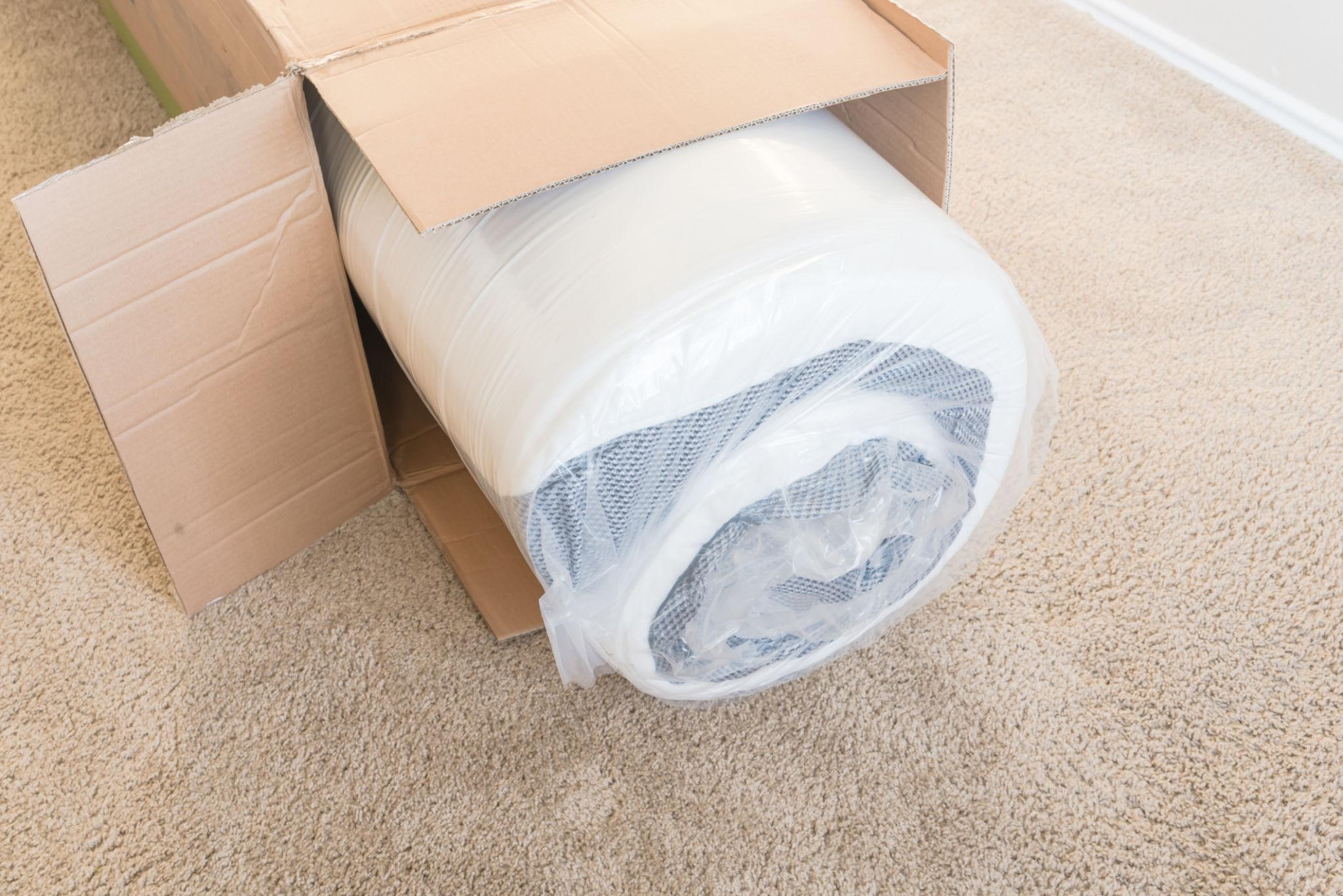
The roll-packing process merges mechanical precision with material recovery design.
-
Vacuum compression reduces internal air by up to 90%.
-
Calibrated rolling systems maintain even pressure across memory foam and spring zones.
-
Sealed protective films prevent deformation and humidity absorption.
-
Rebound testing ensures mattresses regain shape within 24–48 hours after unboxing.
This synergy between compression physics and foam engineering defines how roll-packed mattress factories deliver compactness without compromising long-term comfort.
Benchmarking the Difference: Traditional vs. Roll-Packed Manufacturing
| Metric | Conventional Mattress | Roll-Packed Mattress |
|---|---|---|
| Freight Efficiency | 150–180 units/container | 350–400 units/container |
| Installation Time | 10–12 mins/unit | <3 mins/unit |
| Storage Density | Low | 50–60% higher |
| Damage Rate | 3–5% | <1% |
| Handling Cost | High | Reduced by up to 40% |
This transformation goes beyond saving space—it redefines how factories think about efficiency, safety, and sustainable production.
Factory Systems that Sustain Durability Under Pressure
Advanced roll-packed mattress factories rely on multi-stage process control:
-
Compression Endurance Simulation: testing for six-month storage under varied humidity.
-
Foam Layer Consistency: density variance below ±0.2 kg/m³.
-
Surface Recovery Index: maintaining 95% rebound performance after decompression.
-
Automated Inspection: camera-driven alignment for layer precision.
By integrating these methods, factories ensure every mattress shipped worldwide meets identical performance benchmarks.
Sustainability Through Smarter Compression
Compact packaging yields measurable environmental and operational benefits:
-
Reduced Carbon Footprint: lower fuel use and emissions per shipment.
-
Material Efficiency: precise sealing minimizes waste.
-
Safer Handling: reduced weight supports ergonomic logistics.
-
Hygienic Integrity: vacuum wrapping shields against mold and moisture.
The result: higher productivity aligned with global sustainability goals.
Tailored Guidance: Selecting the Ideal Roll-Packed Mattress for Your Use Case
The right roll-packed solution depends on your project scope, application, and expected user environment:
-
Hospitality Chains: choose high-density foam (≥30D) for longevity under frequent guest turnover.
-
Student or Staff Apartments: hybrid foam-spring models offer balance between comfort and budget.
-
E-Commerce Fulfillment: prioritize fast-recovery foam with reduced shipping weight for efficient last-mile delivery.
-
Luxury Residences: custom compression ratios and textile upgrades support premium branding.
-
Global Retailers: work with factories offering OEM flexibility and optimized container utilization.
By aligning material composition, compression ratio, and recovery speed to the specific scenario, buyers can reduce after-sales risk and ensure seamless installation at scale.
Technical Clarifications and Buyer Insights
Q1: Can long-term compression reduce comfort?
When engineered correctly, compression affects air volume only. Certified materials maintain elasticity over months of storage.
Q2: How do factories test roll durability?
Leading producers simulate rolling and storage cycles to mimic long-distance shipping and temperature variations.
Q3: Which certifications matter most?
Look for CertiPUR-US, ISO 9001, and REACH compliance—proof of consistent quality and global safety standards.
Q4: What’s a safe storage period?
Up to six months under 25°C with humidity below 65%; beyond that, expansion time may slightly increase but comfort remains unaffected.
Engineering Efficiency for a Global Bedding Future
Roll-packed manufacturing is redefining efficiency standards in furniture logistics. By combining compression precision, adaptive materials, and traceable production control, it enables manufacturers to deliver scalable comfort with minimal footprint.
To explore advanced OEM mattress solutions or custom compression design, visit CVCastle’s homepage or contact us here.