

Roll Packed Latex Mattress: Compression Recovery and OEM Export Efficiency for Modern Bedding Supply
Mattress logistics costs continue to rise, especially in cross-border e-commerce and export supply chains. Large-volume packaging reduces shipping efficiency and increases warehouse pressure.
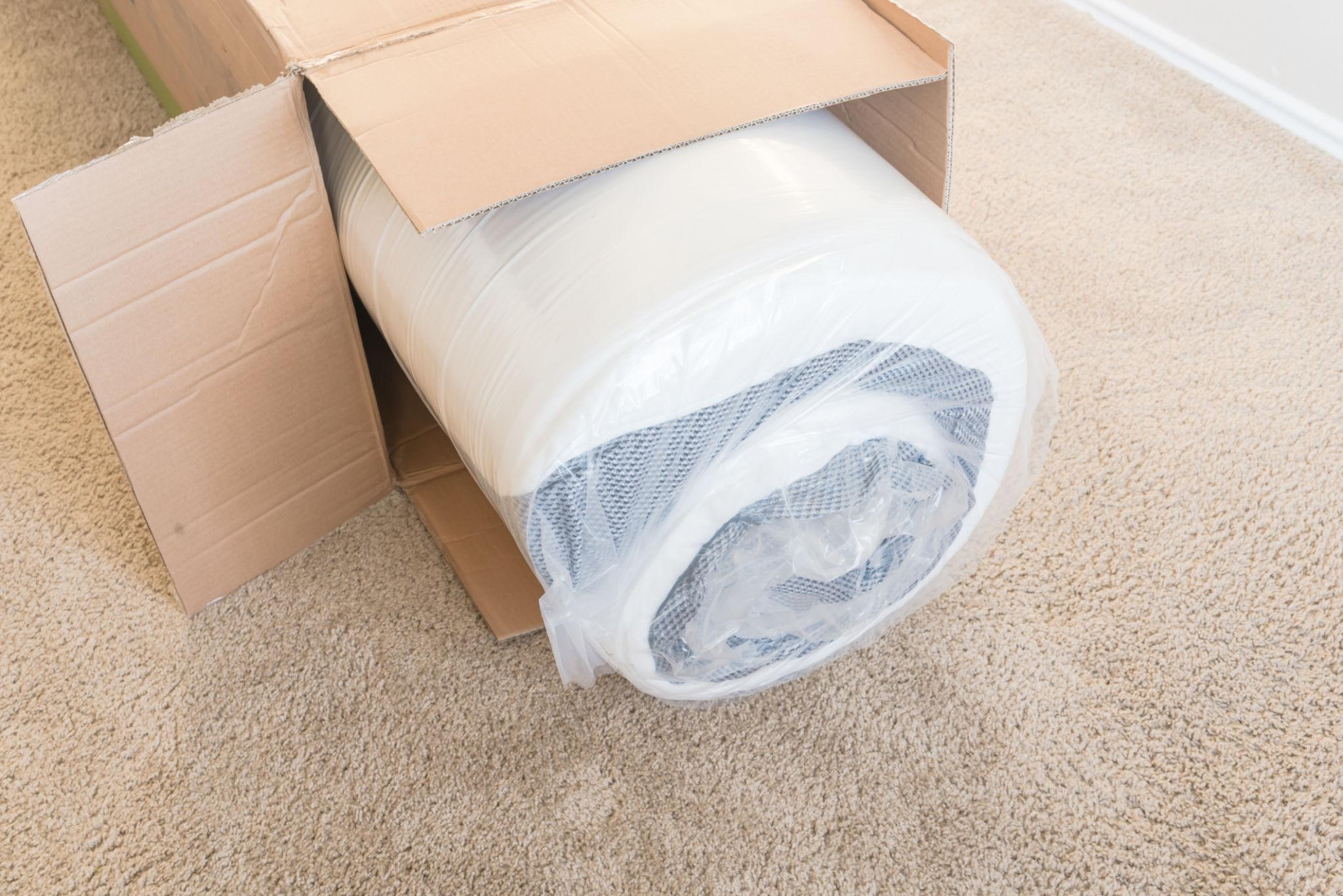
A roll packed latex mattress solves this problem by combining compression packaging with high-recovery latex support, allowing OEM buyers to reduce logistics costs without sacrificing comfort quality.
Where Traditional Mattress Packaging Fails
In many export and e-commerce projects, common problems include:
- High shipping volume and container cost
- Difficult storage and warehouse handling
- Slow recovery after unpacking
- Surface deformation caused by long transport cycles
These issues become more serious in global mattress distribution systems.
Why Latex Structures Work Better in Roll Packing
Latex has stronger elastic recovery compared with many standard foam materials.
This improves:
- Shape recovery after unpacking
- Pressure support consistency
- Long-term structural stability
- Resistance to permanent compression marks
As a result, a roll packed latex mattress maintains comfort performance even after extended packaging and shipment.
Roll Packed Structure vs Standard Mattress Shipping
| Factor | Roll Packed Latex Mattress | Traditional Mattress Packaging |
|---|---|---|
| Shipping Volume | ↓ 40%–60% | Higher |
| Storage Efficiency | +30%–50% | Standard |
| Recovery Speed | Faster | Variable |
| Compression Durability | Higher | Lower |
| Export Logistics Cost | ↓ 20%–35% | Higher |
Structure Integration: Where Compression Performance Is Controlled
Compression packaging depends on more than vacuum sealing.
A complete system usually includes:
- High rebound latex layers
- Compression-resistant support structure
- Stable quilting system
- Breathable outer fabric
- Reinforced edge support
A properly engineered roll packed latex mattress ensures that compression efficiency does not damage long-term comfort or durability.
ToB Advantage: Why OEM Buyers Prefer Roll Packed Systems
For OEM buyers and distributors:
- Lower shipping and warehousing cost
- Better efficiency in container loading
- Easier handling for e-commerce fulfillment
- Improved customer unpacking experience
This makes roll-pack engineering a measurable operational advantage instead of only a packaging method.
Application Scenarios
This structure is widely used in:
- Cross-border e-commerce mattress brands
- Compressed export mattress programs
- Residential bedding collections
- Hospitality replacement mattress supply
In these markets, logistics efficiency directly affects profitability and delivery speed.
OEM Procurement: MOQ, Lead Time, and Customization
Based on CV Castle’s OEM production capability:
- MOQ: 50 units per model
- Lead Time: 15–20 days
- Customization Options:
- Latex density and thickness
- Mattress firmness adjustment
- Roll-pack compression format
- Fabric and quilting customization
- Foam / spring / latex structure integration
These parameters help buyers balance shipping efficiency with comfort performance.
Risk Points Buyers Often Ignore
Common sourcing failures include:
- Weak latex recovery after long storage
- Compression damage to edge structure
- Poor airflow after unpacking
- Low-density support materials reducing lifespan
A reliable roll packed latex mattress is validated through repeated compression and rebound testing—not short-term appearance alone.
Final Perspective
Efficient packaging only matters when the mattress fully recovers afterward.
A stable roll-packed structure must balance logistics efficiency, rebound speed, and long-term comfort consistency.
A properly engineered compressed latex mattress helps OEM buyers reduce shipping cost, improve customer satisfaction, and strengthen competitiveness in modern bedding markets.
To explore full mattress systems and OEM solutions, visit
👉 https://www.cvcastle.com/
For OEM customization, MOQ, and sourcing support, contact
👉 https://www.cvcastle.com/contact-us