
Modular Wool Sofa Set Factory: Building Flexible, Scalable Seating for Global Markets
Furniture demand is no longer static. Living spaces change. Retail channels shift. Inventory strategies evolve.
In this environment, modular wool sofa sets are increasingly sourced not as fixed products, but as adaptable systems—and that makes the role of a modular wool sofa set factory far more strategic than many buyers initially expect.
This is not about aesthetics alone. It is about how modular structure, natural wool upholstery, and factory-level production control combine to support scalable, lower-risk furniture supply.
Why Modular Design Has Become a Supply-Chain Advantage
Modularity changes how sofas move through the business, not just how they sit in a room.
A modular sofa system allows individual units—corner modules, middle seats, ottomans—to be produced, stocked, shipped, and replaced independently. For brands and distributors, this flexibility reduces SKU risk while expanding configuration options.
From a factory perspective, modularity also simplifies repeat production. Once dimensions and connection standards are fixed, output becomes more predictable. Predictability, in manufacturing, is often where margins are protected.
The Role of Wool Upholstery in Modular Sofa Systems
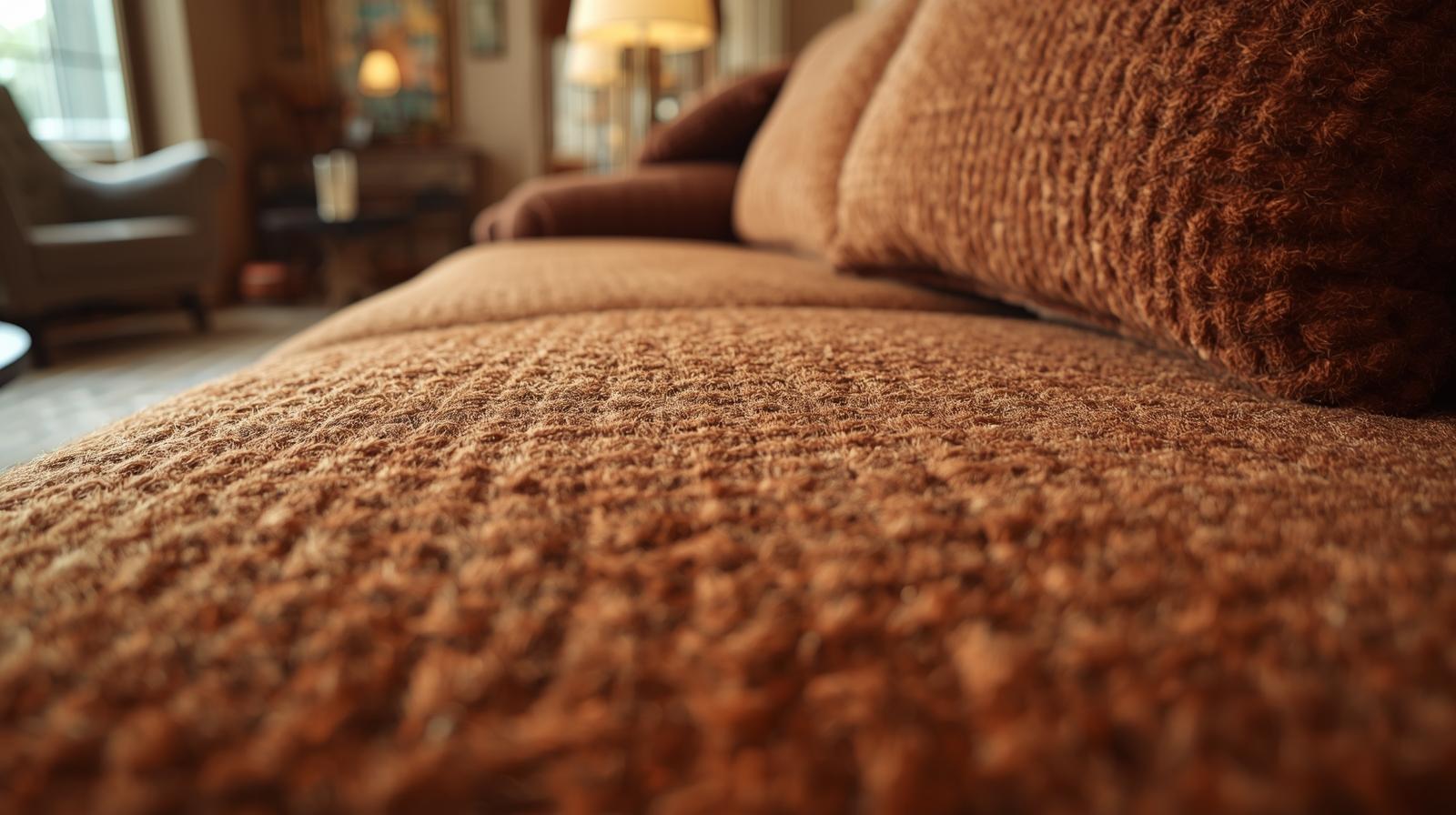
Wool is not chosen for trend value alone. It solves practical problems that modular furniture introduces.
Modular sofas experience more handling, reconfiguration, and edge stress than fixed sofas. Wool fabrics, particularly blended or woven wool textiles, offer:
-
Natural elasticity that resists surface deformation
-
Breathability that improves long-term comfort
-
Strong abrasion resistance for high-contact areas
For B2B buyers, wool upholstery also carries a material narrative—natural, durable, premium—that aligns well with mid- to high-end positioning without relying on excessive embellishment.
What a Modular Wool Sofa Set Factory Actually Controls
Buyers often compare designs and prices, but overlook factory control variables that affect long-term performance.
A qualified modular wool sofa set factory controls more than sewing and assembly. It controls:
-
Module dimensional tolerances
-
Connection hardware consistency
-
Upholstery tension across repeat units
-
Batch-to-batch fabric color stability
When these variables drift, modular sofas stop behaving like systems. They become mismatched parts. That risk increases dramatically when production is fragmented across suppliers.
Factories that specialize in modular systems build their processes around alignment, not improvisation.
One Table That Matters: Modular vs Fixed Wool Sofa Sets (B2B View)
| Evaluation Factor | Modular Wool Sofa Set | Fixed Wool Sofa |
|---|---|---|
| Configuration Flexibility | High, reconfigurable | Fixed layout |
| SKU Risk | Lower (shared modules) | Higher |
| Inventory Strategy | Modular stocking | Full-unit stocking |
| Replacement Efficiency | Individual modules | Entire sofa |
| Production Scalability | System-based | Model-based |
This comparison highlights why modular wool sofas are often favored by brands targeting multiple markets or selling through diverse retail channels.
Manufacturing Considerations Buyers Should Not Skip
Not all modular sofa factories are built for scale. Some are built for sampling.
When evaluating a modular wool sofa supplier, buyers should clarify:
-
How modules are standardized across collections
-
Whether wool upholstery is tension-tested after assembly
-
How connection durability is validated over repeated use
-
Whether production supports OEM adjustments without breaking system compatibility
Factories that can answer these questions clearly tend to support long-term product lines, not just short-term launches.
Where Modular Wool Sofa Sets Perform Best
Modular wool sofas are particularly effective in:
-
Urban residential markets with changing layouts
-
Hospitality and serviced apartments requiring adaptability
-
Retail environments that favor mix-and-match displays
-
Brands seeking SKU efficiency without limiting design choice
They are less suitable for purely decorative furniture or ultra-rigid handcrafted pieces where modular logic adds little value.
Understanding this distinction prevents misalignment between product design and market reality.
From Factory Capability to Brand Strategy
Choosing a modular wool sofa set factory is not simply a sourcing decision.
It is a strategic choice that affects product lifes
Factories that combine modular engineering discipline with controlled wool upholstery production enable brands to scale collections without scaling complexity. That capability is increasingly reflected in manufacturers that emphasize system-based furniture development, such as those presenting integrated modular sofa programs on the CV Castle homepage.
Modular Furniture Requires Modular Thinking
Modular sofas succeed when every part of the system is aligned—design, materials, production, and logistics.
A factory that understands modular wool sofa production does not just build sofas. It builds repeatable outcomes. For B2B buyers navigating uncertain demand and diversified channels, that reliability often matters more than novelty.
If you are assessing modular wool sofa options for OEM cooperation or bulk sourcing, discussing module standards, upholstery control, and long-term production consistency early in the process can save significant downstream cost.
You can initiate that discussion directly through the CV Castle Contact Us page to evaluate whether modular wool sofa production aligns with your sourcing objectives.