
Why Traditional Sofas Limit Modern Furniture Projects
In large-scale furnishing projects—from hotels to serviced apartments—traditional sofas often present three recurring problems:
-
Fixed design layouts restrict space planning and limit customization.
-
High logistics costs arise from bulky frames and inefficient packing.
-
Inconsistent quality during installation, especially across multiple locations.
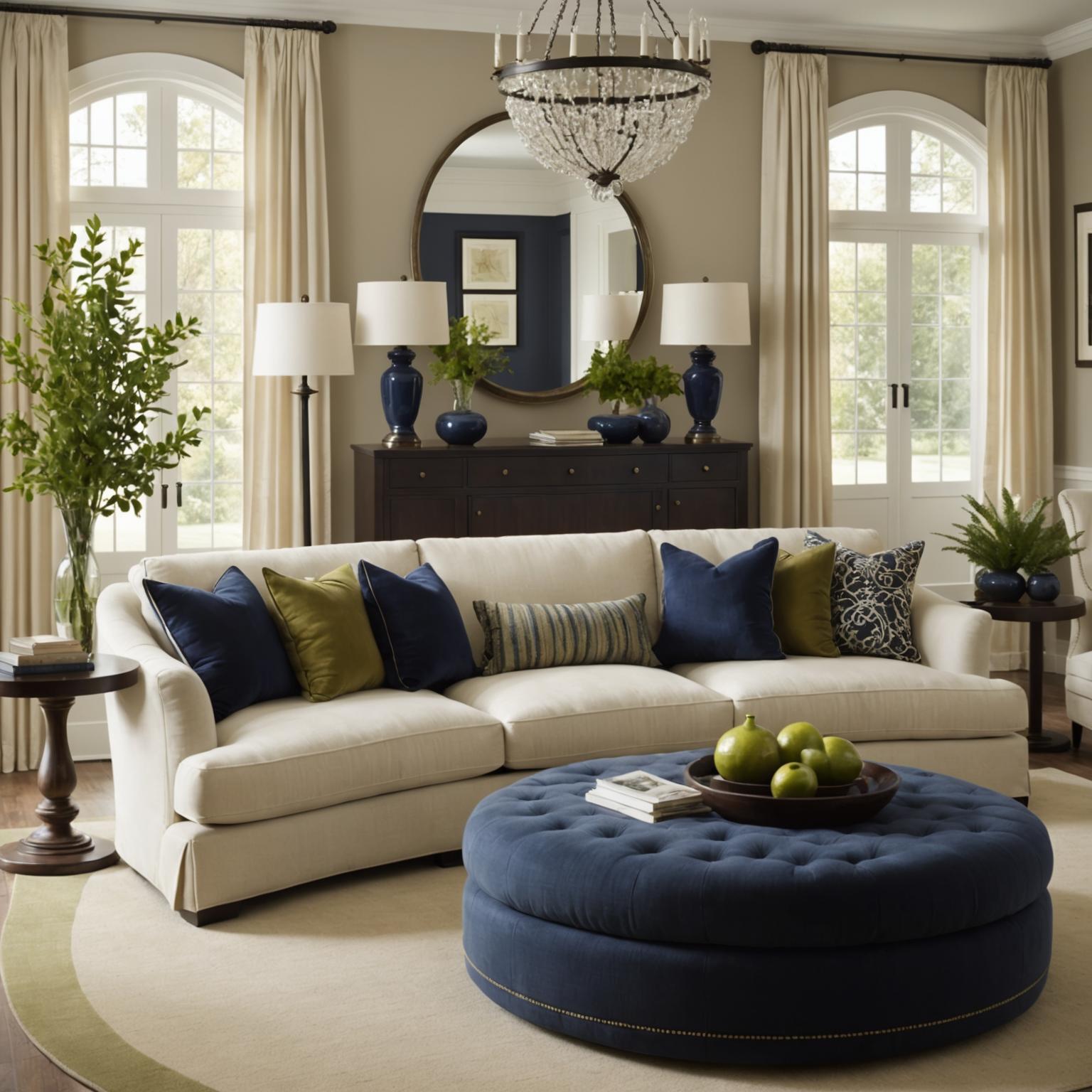
As real estate developers and hospitality managers demand more flexible interior systems, the modular sofa has become a strategic response—combining customizable comfort with scalable logistics and rapid deployment capability.
Inside the Technology: How Modular Sofa Systems Work
A modular sofa supplier integrates engineering, ergonomics, and packaging optimization to achieve functional flexibility and logistics efficiency.
Core design principles include:
-
Interlocking Frameworks – Each section connects seamlessly via concealed joints or magnetic couplers.
-
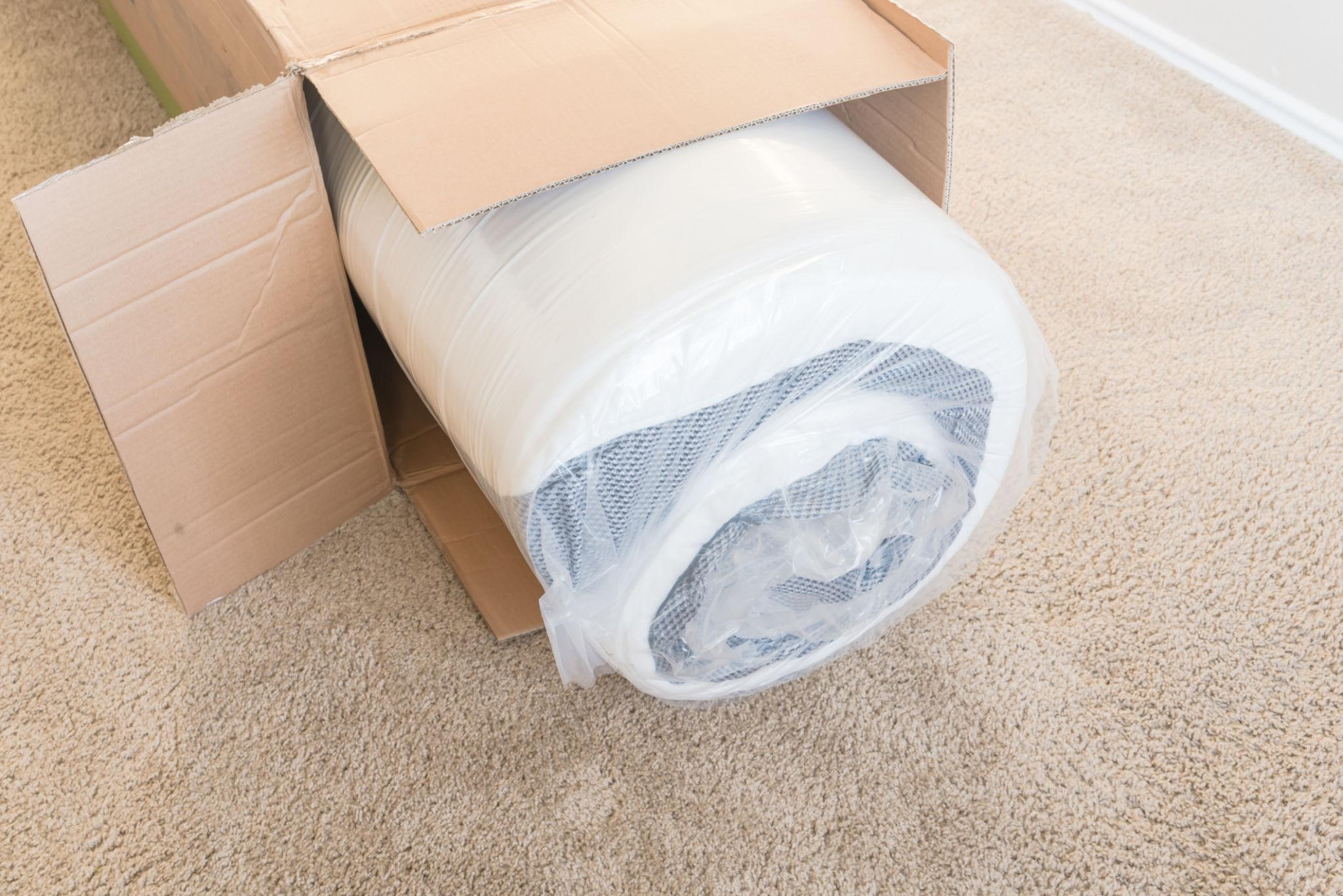
Compression-Ready Components – Cushions and frames are engineered for vacuum sealing and quick rebound.
-
Ergonomic Geometry – Every module maintains uniform seat height and lumbar alignment across configurations.
-
Sustainable Materials – High-resilience foam and eco-certified textiles ensure long-term performance.
These innovations transform sofas from static furniture into dynamic architectural elements, supporting diverse layouts and usage requirements.
Traditional vs. Modular Sofas: The Functional Divide
| Feature | Traditional Sofas | Modular Sofa Systems |
|---|---|---|
| Space Utilization | Fixed shape and size | Adaptable layouts and reconfigurable units |
| Transportation | Bulky, pre-assembled | Flat-packed or compressed modules |
| Customization | Limited color and style options | High flexibility in size, fabric, and configuration |
| Maintenance | Requires full replacement | Single-module repair or swap |
| Sustainability | High material waste | Reusable modules and packaging efficiency |
Modular systems redefine cost efficiency—not just in manufacturing, but across the full lifecycle of design, logistics, and maintenance.
Smart Manufacturing: The Foundation of a Modular Sofa Supplier
Our factory operates with precision-engineered compression systems, multi-stage assembly lines, and digital design modeling, ensuring consistency from prototype to shipment.
Key production highlights:
-
Digital Design Simulation – Engineers model each layout for compression ratio and load balance.
-
Material Calibration – Foam density, textile elasticity, and rebound rate undergo multiple tests.
-
Vacuum Compression & Sealing – Each unit is packed under controlled conditions to retain form integrity.
-
AI-based Container Planning – Smart algorithms calculate optimal freight density for export.
-
Batch Quality Inspection – Recovery, moisture resistance, and assembly accuracy are verified pre-shipment.
This system-driven approach ensures that every sofa module maintains comfort consistency and logistic reliability, even in global-scale deployment.
Where Modular Sofas Deliver the Most Value
-
Hospitality Chains – Modular configurations adapt to varying room sizes and layouts.
-
Serviced Apartments – Rapid installation and reconfiguration for short-term leasing.
-
Student Housing & Dormitories – Durable yet easily replaceable modules reduce maintenance.
-
Corporate & Co-Working Spaces – Ergonomic and professional designs that adapt to team needs.
-
E-commerce Fulfillment – Flat-pack logistics enable direct-to-door delivery without deformation.
These applications highlight the versatility of modular design, balancing style, durability, and operational efficiency.
Selection Guide: Helping Buyers Choose the Right Modular Sofa
To simplify decision-making, here’s a practical guide aligning product types with key applications:
| Usage Scenario | Recommended Modular Type | Design Focus | Key Benefit |
|---|---|---|---|
| Hotels & Resorts | Modular sectional sofa | Balanced firmness, replaceable modules | Long-term durability and easy maintenance |
| Apartments | Space-saving modular sofa | Compact width, lightweight frame | Efficient use of living areas |
| Offices & Lounges | Modular L-shaped sofa | Ergonomic design, clean lines | Professional look with comfort |
| Student Housing | Modular foldable sofa | Stackable, durable fabric | Low-cost replacement and compact storage |
| Retail & Exhibitions | Compressed modular display sofa | Quick assembly, visual consistency | Easy setup for temporary use |
By choosing based on environment and functional need, buyers ensure long-term ROI through optimized comfort and logistics efficiency.
Key Buyer Questions About Modular Sofa Supply
Q1: How do modular sofas maintain stability after reconfiguration?
Each module uses reinforced connectors and anti-slip bases, ensuring frame stability under frequent use.
Q2: Can custom fabrics or colors be applied?
Yes. Custom upholstery and branding are supported, aligning with hospitality or corporate identity.
Q3: How does compression affect the modular joints?
All components undergo rebound and stress testing to prevent deformation during vacuum packing.
Q4: What order size or MOQ is ideal for OEM cooperation?
Depending on design complexity, MOQ generally starts from 50 units per configuration.
CV Castle: Engineering Flexibility for Modern Furniture Projects
At CV Castle, we design and manufacture modular compressed furniture systems tailored for modern living and commercial environments.
By merging ergonomic precision with efficient logistics, we help clients achieve design flexibility, sustainable shipping, and global reliability.
Learn more about our modular innovations on the homepage or contact us via the Contact Us page for OEM and project collaboration.