
The Science Behind Compressed Sofas: How Space-Saving Works
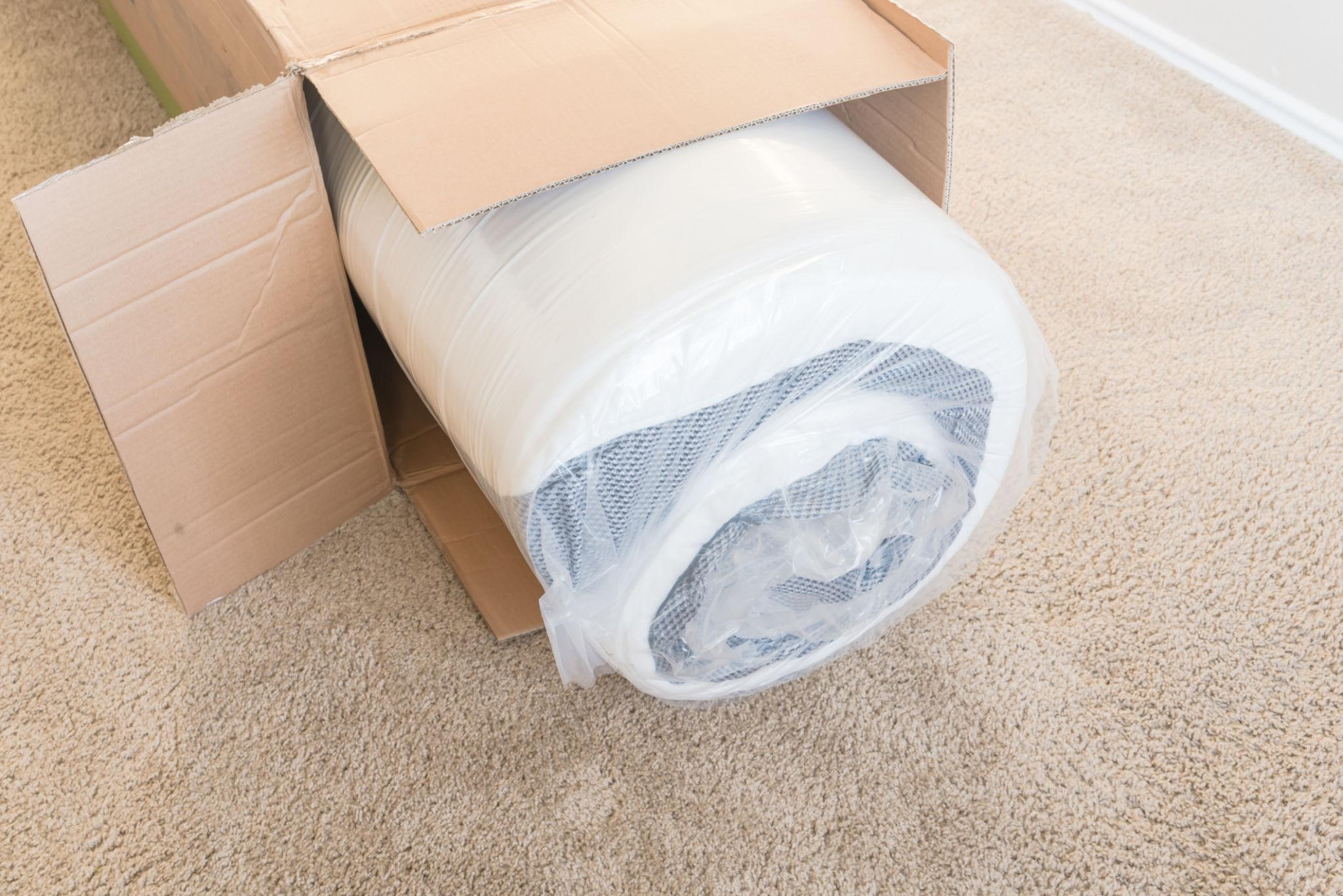
Compressed sofas leverage advanced material science and innovative packaging technology to minimize volume without compromising comfort or durability. Unlike conventional sofas that are pre-assembled and filled with non-compressible materials, compressed sofas use high-density, flexible foam cores that can be tightly compressed under controlled pressure. Specialized vacuum-sealing techniques then remove air from the packaging, shrinking the sofa to a fraction of its original size. For example, a standard three-seater sofa that typically measures around 220cm × 90cm × 85cm can be compressed to a compact package of approximately 120cm × 60cm × 40cm—reducing its volume by more than 70%.
This dramatic reduction in size is made possible by the resilience of modern foam materials. High-quality memory foam and polyurethane foam used in compressed sofas have excellent 回弹 (rebound) properties, allowing them to expand back to their original shape and firmness once the packaging is opened. Additionally, the frames of compressed sofas are often designed with modular or foldable structures, further enhancing their space-saving potential during transportation. These design innovations not only make shipping more efficient but also simplify storage for retailers, who can now stock more inventory in the same warehouse space.
Cutting Transportation Costs: Numbers and Real-World Impact
The space-saving advantage of compressed sofas directly translates to substantial cost savings in transportation. Let’s break down the numbers: a standard 40-foot shipping container can hold approximately 20-25 traditional three-seater sofas, depending on their design. In contrast, the same container can accommodate over 80 compressed three-seater sofas—more than three times the quantity. This means that manufacturers can ship three times as many products in a single container, drastically reducing the number of containers needed for each order. For a company that ships 1,000 sofas per month, switching to compressed models could cut the number of 40-foot containers from 40-50 to just 12-13, resulting in a monthly savings of
20,000 (based on an average shipping cost of $500 per container).
Beyond sea freight, compressed sofas also reduce costs in land transportation. A typical delivery truck can carry 8-10 traditional sofas, but with compressed models, that number jumps to 30-35. This not only lowers fuel costs but also reduces labor expenses, as fewer trips are required to deliver the same volume of products. Retailers, too, benefit from lower last-mile delivery costs, as compressed sofas are lighter and easier to handle, requiring fewer delivery personnel and less time per delivery.
Real-world examples further validate these cost-saving benefits. IKEA, a pioneer in flat-pack and space-saving furniture, introduced its line of compressed sofas in 2020, and reported a 32% reduction in transportation costs for its sofa category within the first year. Similarly, a small furniture startup in the United States saw its annual logistics expenses drop by $80,000 after switching to compressed sofas, allowing the company to pass on these savings to consumers through lower prices—boosting sales and market share.
Environmental Benefits: A Win-Win for Cost and Sustainability
In addition to cost savings, compressed sofas also offer significant environmental advantages, which are increasingly important for consumers and businesses alike. By reducing the number of transportation trips, compressed sofas lower carbon dioxide emissions and other pollutants. According to the International Transport Forum, a single 40-foot container ship emits approximately 1.8 tons of CO₂ per 1,000 nautical miles. By shipping three times as many sofas per container, companies can cut their carbon footprint by nearly two-thirds for the same volume of products. This not only helps businesses meet their sustainability goals but also appeals to eco-conscious consumers who are willing to pay a premium for environmentally friendly products.
Furthermore, the packaging used for compressed sofas is often made from recyclable materials, such as kraft paper and polyethylene, reducing waste compared to traditional plastic packaging. Some manufacturers even offer reusable packaging, further minimizing the environmental impact of the supply chain.
Conclusion: The Future of Furniture Transportation
Compressed sofas represent a paradigm shift in the furniture industry, addressing the long-standing challenge of high transportation costs while promoting sustainability. By leveraging advanced materials and innovative packaging, these sofas offer a practical solution for manufacturers, retailers, and consumers—cutting expenses, increasing efficiency, and reducing environmental harm. As consumer demand for affordable, space-saving, and eco-friendly furniture continues to grow, compressed sofas are poised to become the new standard in the industry. For businesses looking to stay competitive in a rapidly changing market, adopting compressed sofa technology is not just a cost-saving measure but a strategic investment in the future of furniture transportation.