

Precision and Comfort Combined: How Memory Foam Compressed Mattress Suppliers Redefine Global Sleep Standards
Rising Demand for Compact and Comfortable Sleep Solutions
In an era of rapid e-commerce growth and global hospitality expansion, the demand for mattresses that combine ergonomic comfort with compact logistics has surged. Traditional mattresses, though comfortable, require extensive storage and high shipping costs.
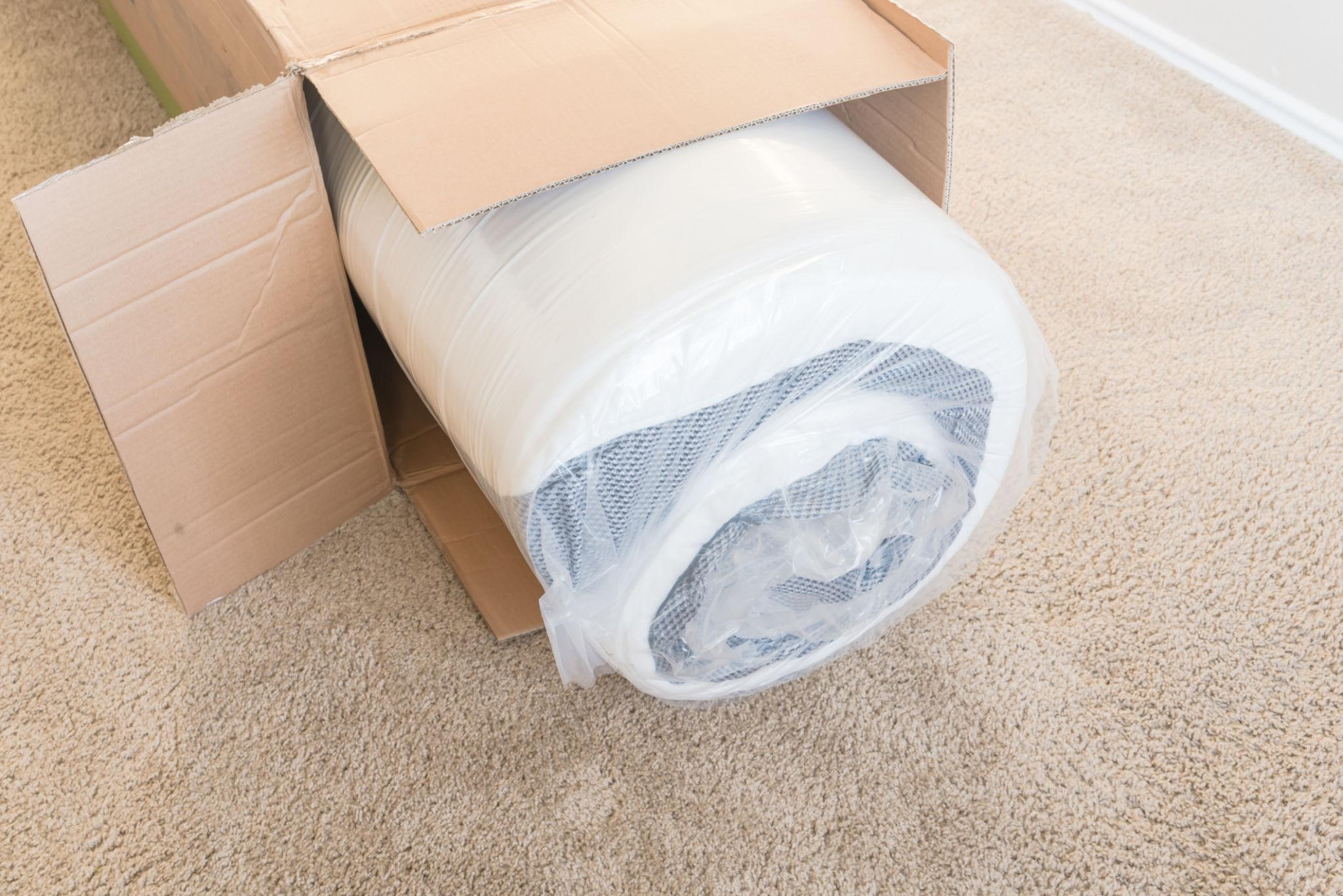
Memory foam compressed mattresses bridge that gap — they deliver superior body contouring while drastically reducing freight volume, making them ideal for hotel chains, apartment projects, and direct-to-consumer retail models.
Compression Science Meets Material Innovation
The engineering behind memory foam compression requires precise control of density, elasticity, and rebound properties:
-
Vacuum compression technology removes air pockets while maintaining molecular integrity of the foam.
-
Controlled deformation ensures even compression without damaging cell structure.
-
Thermal rebound mapping tests recovery performance under various climates.
-
Protective multi-layer sealing prevents moisture intrusion during long-haul transport.
The result is a mattress that regains its full shape and firmness within hours of unpacking, maintaining consistent comfort through months of storage and shipping.
Traditional vs. Compressed Foam: Measurable Gains in Efficiency
| Feature | Conventional Foam Mattress | Memory Foam Compressed Mattress |
|---|---|---|
| Freight Volume | 150–180 units/container | 350–400 units/container |
| Rebound Rate | 85–90% | 95–98% after 48 hrs |
| Storage Space | High | Reduced by 50% |
| Handling Cost | Labor-intensive | Simplified, ergonomic loading |
| Material Waste | High in packaging | Reduced by 30% |
For large-scale distributors, these advantages directly translate into lower logistics costs, faster deployment, and improved carbon efficiency.
Precision Manufacturing and Quality Assurance in Practice
Top-tier suppliers like CVCastle utilize digital compression control and automated rebound monitoring to maintain consistency across every production batch.
-
Each foam layer undergoes density calibration to ensure uniform softness and pressure response.
-
Rebound sensors track elasticity recovery rate after simulated transport.
-
Vacuum integrity testing ensures airtight sealing under export conditions.
-
Automated packaging lines reduce manual error and improve throughput for large-volume orders.
These processes ensure every mattress performs consistently — whether shipped to Europe, the U.S., or Asia-Pacific markets.
Performance and Sustainability Advantages
Beyond efficiency, memory foam compressed mattresses bring measurable sustainability and operational value:
-
Freight Optimization: Up to 60% volume reduction per shipment.
-
Carbon Reduction: Lower fuel consumption and emissions during transport.
-
Material Longevity: High-resilience foam structure retains elasticity over years of use.
-
Packaging Efficiency: Recyclable compression films minimize waste impact.
This makes compressed memory foam not just a space-saver, but a cornerstone of modern sustainable furniture logistics.
Matching Mattress Profiles to Project Requirements
When sourcing from a memory foam compressed mattress supplier, buyers should align product specs with their target application:
-
Hospitality Projects: Opt for medium-firm 30D–35D foam to maintain consistent guest comfort.
-
E-Commerce Retail: Choose quick-recovery models for faster unboxing and reduced return rates.
-
Serviced Apartments: Hybrid foam constructions balance cost and long-term durability.
-
Luxury Developments: Multi-zone memory foam layers deliver personalized contour support.
-
Student Housing: Lightweight foam types optimize bulk delivery and fast installation.
A supplier capable of customizing compression ratios, density gradients, and packaging formats ensures the best ROI for each project type.
Key Questions Buyers Ask Before Partnering
Q1: How does CVCastle maintain memory foam integrity under compression?
We apply calibrated vacuum systems and rebound sensors to monitor elasticity during every compression cycle.
Q2: Can buyers request specific density or rebound levels?
Yes. Foam density, layer structure, and recovery time can be fully customized to meet project specifications.
Q3: How is quality ensured before shipment?
All mattresses undergo full rebound testing, airtight verification, and a final inspection before export.
Q4: What is the typical OEM cooperation process?
From sampling and compression validation to bulk production and loading optimization — each step follows ISO9001 quality control protocols.
Engineering Comfort for Global Efficiency
Memory foam compressed mattress production represents the evolution of ergonomic comfort and logistical efficiency. Through adaptive compression systems and precise material calibration, suppliers now help brands scale sustainably without compromising user experience.
To explore customized OEM solutions or compression testing standards, visit CVCastle’s homepage or contact us here.