
Design Meets Efficiency: How Custom Compressed Sofas Transform Global Furniture Logistics
Global Furniture Challenges: Balancing Design, Cost, and Delivery
The modern furniture market faces a familiar challenge — combining aesthetic diversity with logistical efficiency.
Traditional sofas are bulky, fragile during transport, and expensive to store. For large-scale distributors, apartment projects, or hotel chains, this translates to high shipping costs and unpredictable delivery schedules.
Custom compressed sofas offer a new approach: combining made-to-order design with compression packaging technology to simplify storage, reduce costs, and maintain comfort and quality at scale.
Compression Engineering Behind Custom Sofa Design
Unlike standard models, a custom compressed sofa is developed with compression-resilient materials and frame systems.
Key engineering steps include:
-
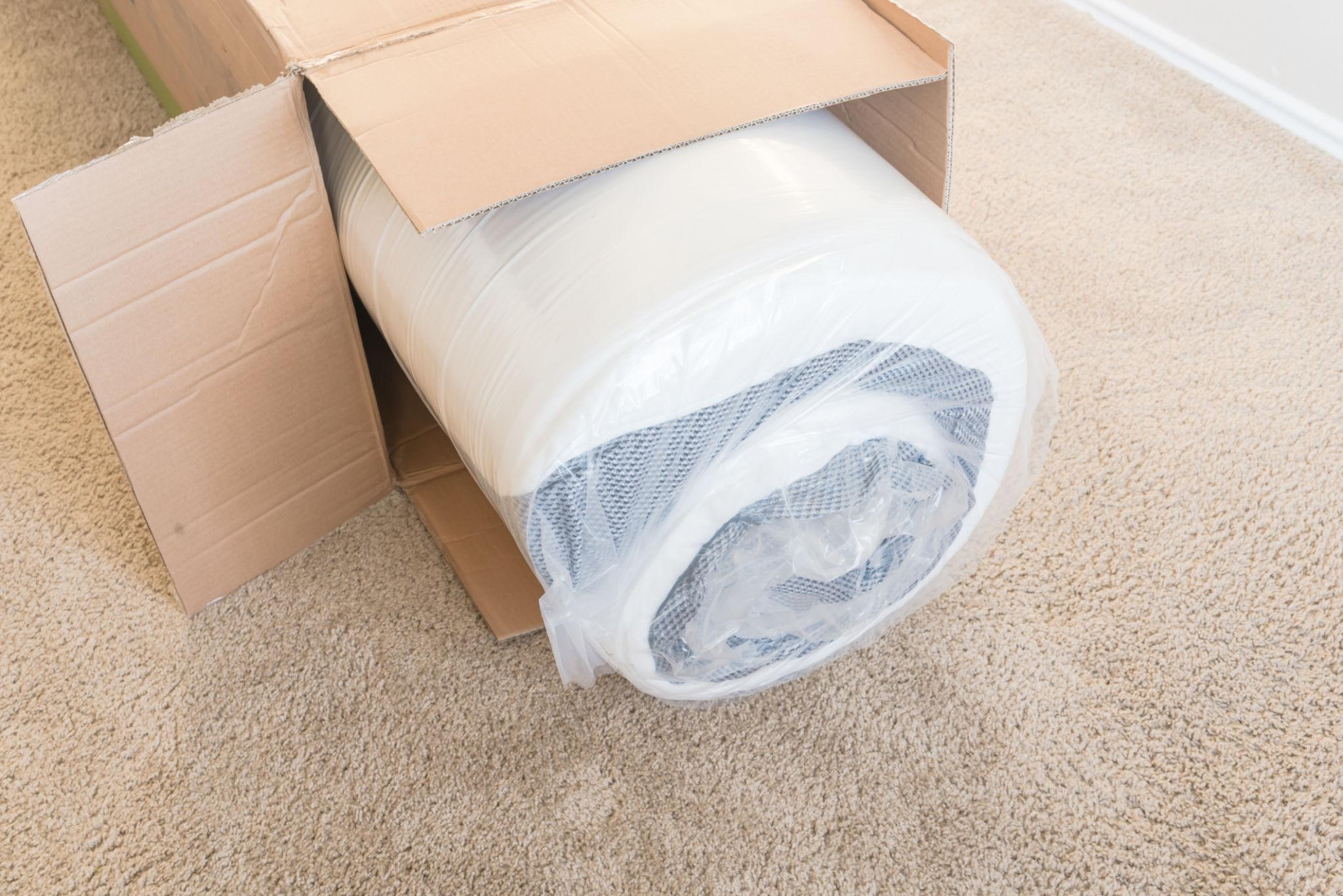
Vacuum compression and rolling to minimize volume by up to 65%.
-
Reinforced frame structures designed for compact packaging and easy reassembly.
-
High-rebound foam calibration ensuring shape recovery after long-distance shipping.
-
Moisture-resistant wrapping preventing deformation and odor absorption.
This process allows for global distribution without compromising on durability, seating comfort, or visual appeal — a key demand among furniture retailers and developers.
Traditional vs. Compressed Sofa: Measurable Improvements
| Feature | Traditional Sofa | Custom Compressed Sofa |
|---|---|---|
| Freight Volume | 80–100 units/container | 180–200 units/container |
| Assembly Time | High (complex parts) | Streamlined, <10 mins |
| Storage Requirement | Large warehouse | 40–50% space saved |
| Packaging Waste | High | Reduced by 30% |
| Global Shipping Risk | Moderate to high | <1% deformation rate |
By applying compression-based packaging, manufacturers achieve lower freight costs, easier installation, and improved environmental performance.
Precision Manufacturing at CVCastle: From Design to Delivery
CVCastle integrates modular engineering, automated foam calibration, and ergonomic testing to ensure every custom compressed sofa meets real-world demands.
-
CAD-driven design systems enable custom sizing and fabric patterning.
-
Smart compression mapping adjusts pressure according to cushion density.
-
Batch traceability systems maintain ISO-level consistency across global orders.
-
Integrated logistics planning optimizes container loading and warehouse handling.
This manufacturing discipline ensures each sofa remains consistent in quality and assembly precision across different regional projects.
Efficiency, Sustainability, and Long-Term Value
Beyond the savings in freight and storage, compressed sofas contribute to sustainability goals through:
-
Lower CO₂ emissions during transport due to compact packaging.
-
Reduced packaging waste with recyclable wrapping films.
-
Energy-efficient production through automated compression lines.
-
Extended product life via resilient materials tested for compression durability.
These benefits make compression-based furniture production a scalable, eco-efficient solution for the modern furniture industry.
Application Scenarios: Where Custom Compression Excels
-
Hotel Renovation Projects: Fast delivery and minimal on-site assembly reduce downtime.
-
Apartment Developments: Compact packaging simplifies high-volume installations.
-
E-Commerce Retail: Sofas ship easily through courier networks without bulky freight.
-
Overseas Distributors: Optimized container loading maximizes profit per shipment.
-
Serviced Residences: Easy transport allows for frequent layout updates or replacements.
Custom compressed sofas are particularly valuable where flexibility, delivery speed, and visual consistency matter most.
Choosing the Right Configuration for Your Market
Selecting the right custom compressed sofa involves understanding use conditions and logistics priorities:
-
For Luxury Retail: Choose high-density foam and premium fabric with slow-rebound compression.
-
For Chain Hotels: Opt for mid-density cushions and modular structures for uniform comfort.
-
For Online Brands: Lightweight foam and detachable legs simplify delivery and returns.
-
For Real Estate Developers: Space-saving models with flat-pack frames reduce installation cost.
A reliable manufacturer can balance these variables while maintaining the desired aesthetic, ensuring every project aligns with its intended market segment.
Key Questions Buyers Ask Before Partnering with CVCastle
Q1: How does CVCastle ensure sofa recovery after compression?
Each model undergoes multi-cycle rebound testing to verify shape recovery, ensuring consistent seating comfort after unpacking.
Q2: Can buyers request custom designs or fabrics?
Yes. We support full customization including dimensions, fabric texture, frame structure, and packaging format for OEM or project-based orders.
Q3: How long does the production and delivery cycle take?
Average lead time is 25–35 days, including prototype validation, compression testing, and global shipment preparation.
Q4: What quality controls are in place?
All products follow ISO9001-certified workflows and are traceable from foam calibration to export packaging.
Sustainable Design, Scalable Comfort
Custom compressed sofas are transforming how furniture is designed, produced, and delivered worldwide. By combining craftsmanship with compression technology, manufacturers achieve scalable comfort and sustainable efficiency across markets.
To discuss OEM sofa solutions or project customization, visit CVCastle’s homepage or contact us here.