

High Rebound Compressed Mattress: Fast Recovery Structure for OEM and Export Bedding Supply
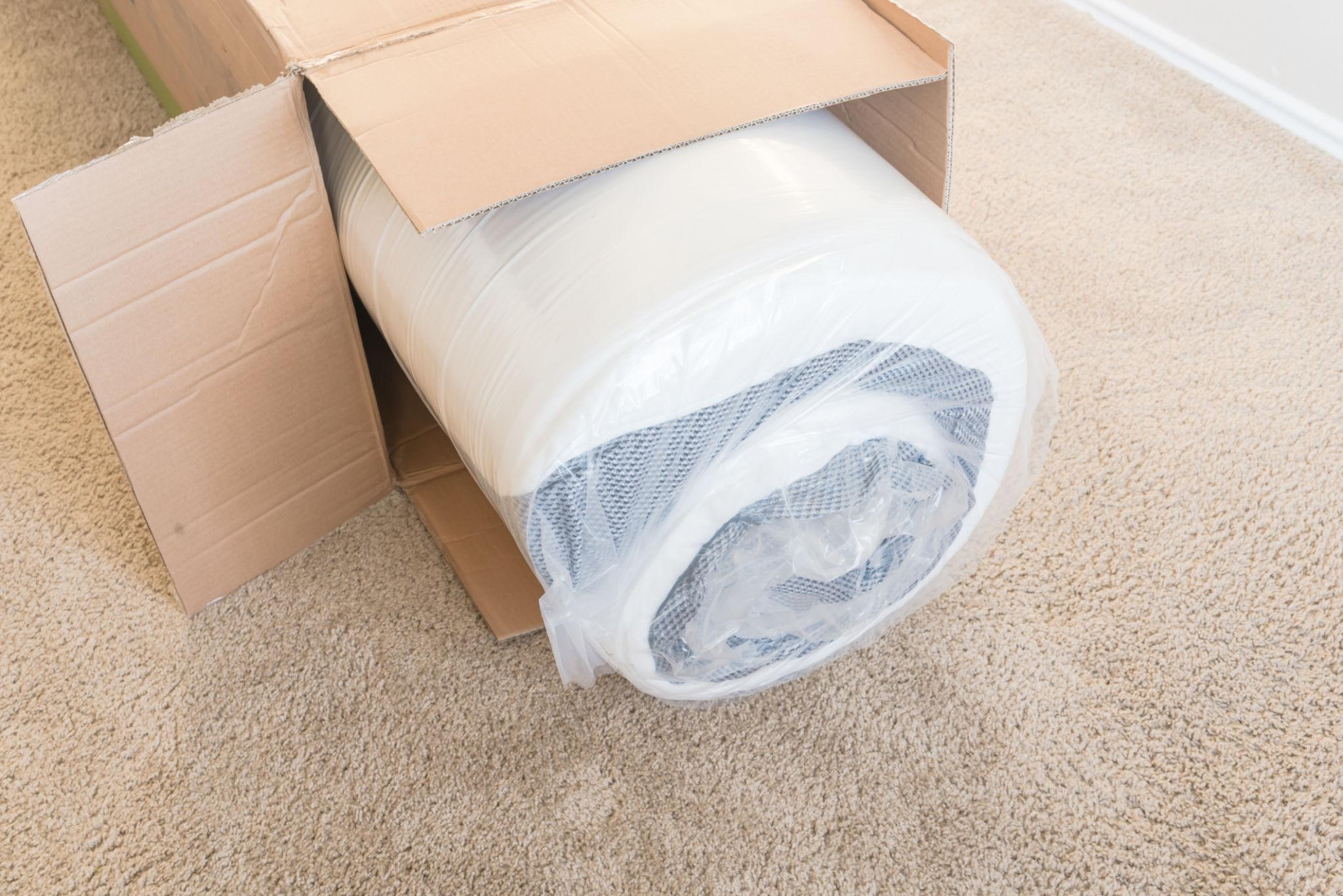
Compression packaging saves storage and shipping costs, but it also creates one of the biggest risks in mattress manufacturing: poor recovery after unpacking.
A high rebound compressed mattress is engineered to recover shape quickly while maintaining structural support, pressure balance, and long-term comfort consistency.
Where Compression Problems Usually Appear
In export and e-commerce mattress systems, common issues include:
- Slow rebound after unpacking
- Surface deformation during storage
- Uneven support caused by foam fatigue
- Reduced comfort after repeated compression cycles
These problems become more serious in long-distance logistics and high-volume OEM production.
Why High Rebound Structures Perform Differently
High rebound systems use optimized foam density and elastic support structures.
This improves:
- Recovery speed after unpacking
- Pressure distribution consistency
- Shape retention during long-term use
- Structural durability under repeated compression
As a result, a high rebound compressed mattress performs more consistently in export and hospitality environments.
Recovery Structure vs Standard Compression Systems
| Factor | High Rebound Compressed Mattress | Standard Compressed Mattress |
|---|---|---|
| Recovery Speed | +25%–45% | Standard |
| Shape Retention | Higher | Variable |
| Compression Durability | +20%–35% | Lower |
| Return Rate | ↓ 10%–25% | Higher |
| Long-Term Support Stability | More Consistent | Inconsistent |
Structure Integration: Where Rebound Is Controlled
Recovery performance depends on more than foam softness.
A complete system usually includes:
- High rebound foam layers
- Stable lower support structure
- Compression-compatible quilting
- Breathable fabric integration
- Balanced pressure-distribution design
A properly engineered high rebound compressed mattress maintains comfort while resisting long-term collapse after storage and shipping.
ToB Advantage: Why OEM Buyers Prefer High Rebound Systems
For OEM buyers and distributors:
- Lower return rates from deformation complaints
- Better unpacking experience for end users
- Improved durability in compressed logistics systems
- Higher perceived quality in export markets
This makes rebound engineering a measurable operational advantage instead of a marketing feature.
Application Scenarios
This structure is widely used in:
- E-commerce mattress brands
- Compressed export mattress systems
- Hotels and serviced apartments
- Residential bedding collections
In these environments, recovery speed directly affects customer satisfaction and product reviews.
OEM Procurement: MOQ, Lead Time, and Customization
Based on CV Castle’s OEM production capability:
- MOQ: 50 units per model
- Lead Time: 15–20 days
- Customization Options:
- Foam rebound density
- Mattress firmness adjustment
- Compression packaging format
- Fabric and quilting customization
- Foam / latex / spring structure integration
These parameters help buyers balance rebound speed with comfort performance.
Risk Points Buyers Often Ignore
Common sourcing failures include:
- Low-density foam losing elasticity quickly
- Poor rebound after long-term storage
- Weak quilting collapsing after compression
- Inconsistent support across mattress zones
A reliable high rebound compressed mattress is validated through repeated compression and recovery testing—not initial softness alone.
Final Perspective
Compression efficiency means nothing if recovery performance fails.
A stable mattress system must recover quickly, maintain support, and remain comfortable after transport and long-term use.
A properly engineered compressed mattress helps OEM buyers reduce complaints, improve customer satisfaction, and strengthen product competitiveness in global bedding markets.
To explore full mattress systems and OEM solutions, visit
👉 https://www.cvcastle.com/
For OEM customization, MOQ, and sourcing support, contact
👉 https://www.cvcastle.com/contact-us