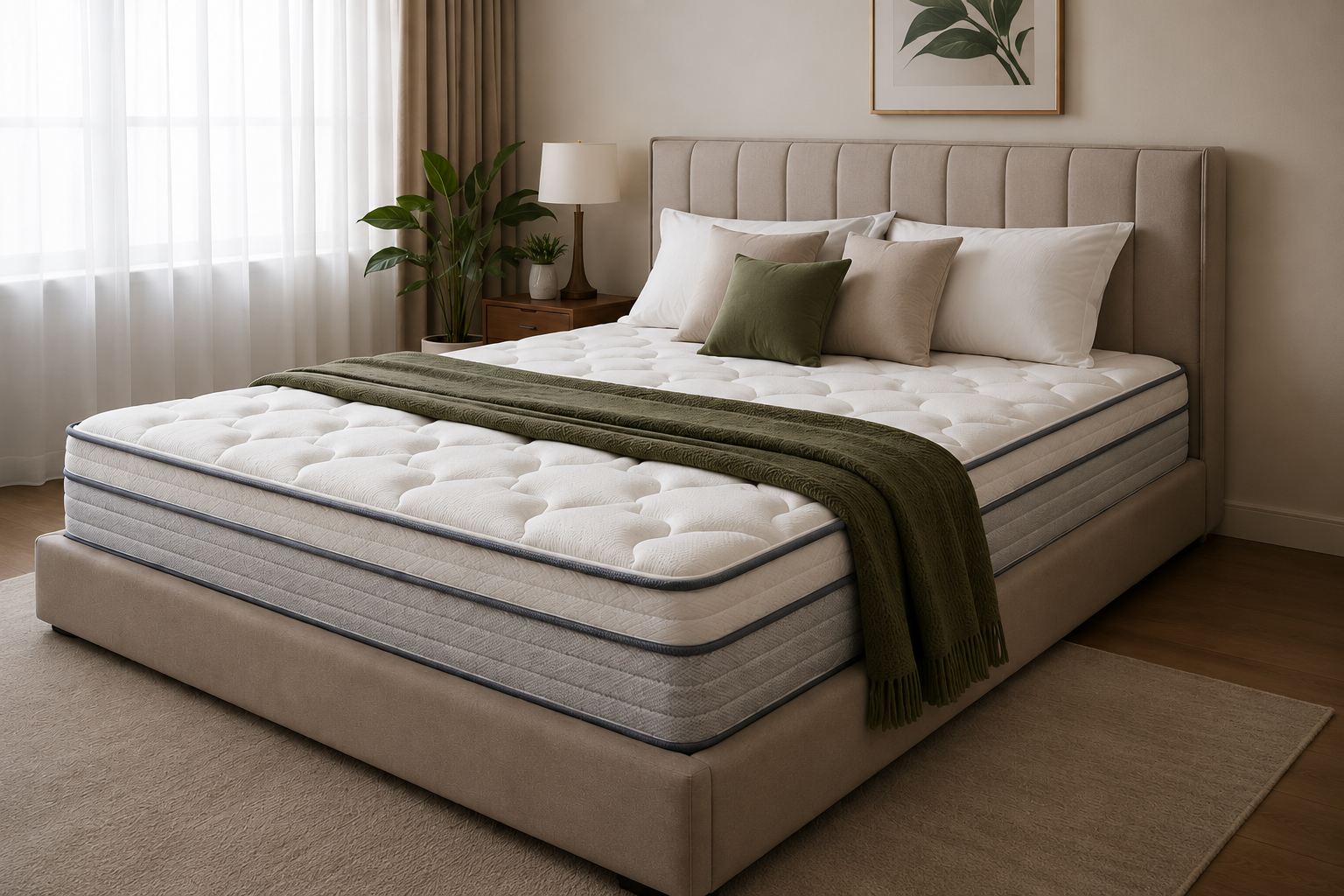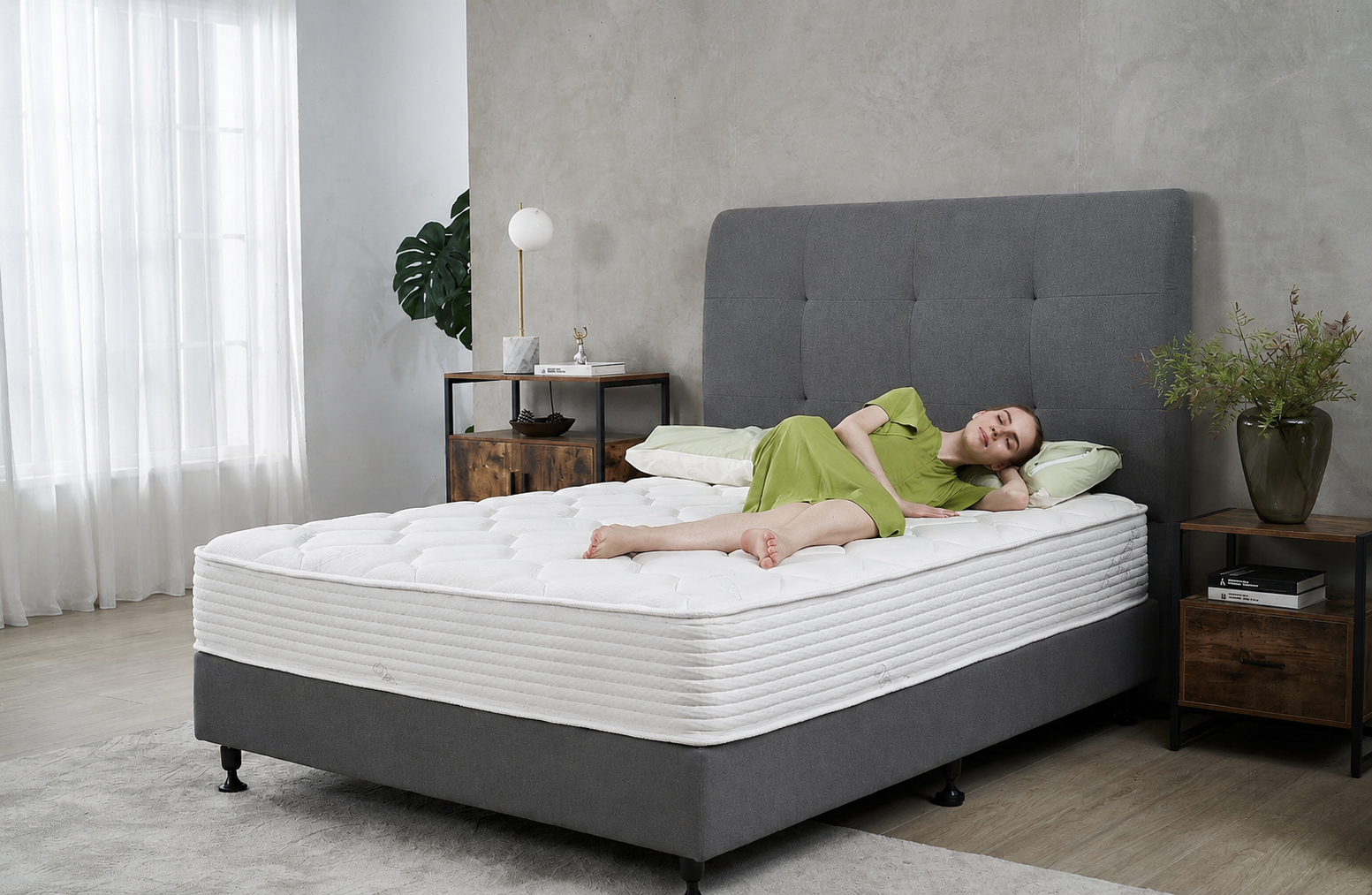

Five Zone Comfort Mattress: Zoned Support Design for Balanced Pressure Relief and OEM Supply
Most mattress complaints are not about softness.
They are about uneven support—too much pressure in some areas, not enough in others.
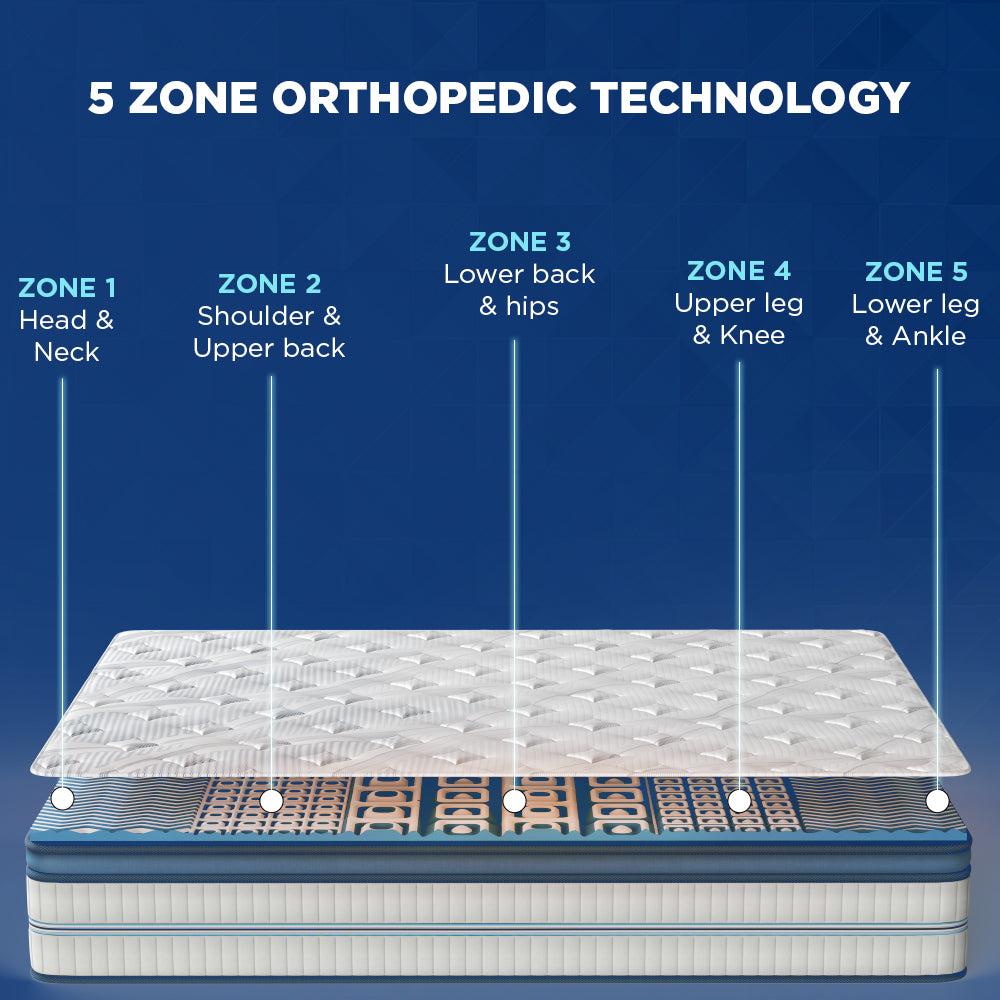
A five zone comfort mattress addresses this by dividing the mattress into functional support areas, allowing different parts of the body to receive the right level of resistance and cushioning.
Where Zoned Mattress Design Actually Works
Zoned structures are not a luxury feature. They are used where support consistency matters:
- Residential bedrooms with long sleep duration
- Hospitality projects requiring consistent guest comfort
- Export bedding programs targeting mid-to-high-end markets
- OEM brands differentiating through comfort performance
In these environments, a five zone comfort mattress helps maintain comfort stability across different body types and usage patterns.
Structural Design: How Five Zones Are Distributed
A five-zone mattress typically divides the sleeping surface into:
- Head and neck support zone
- Shoulder pressure relief zone
- Lumbar support zone
- Hip and pelvis stabilization zone
- Leg and foot comfort zone
Each zone uses different firmness levels or structural responses. The goal is not uniform softness, but controlled support alignment.
Material + Structure Integration
Zoning alone does not guarantee performance.
A complete system often includes:
- Pocket spring systems with variable tension
- Foam or latex layers for pressure relief
- Reinforced middle zones for spinal support
- Breathable fabrics for temperature control
A properly engineered five zone comfort mattress ensures these layers work together rather than independently.
One Table Buyers Actually Use (With Real Data)
| Factor | Five Zone Comfort Mattress | Standard Mattress |
|---|---|---|
| Pressure Distribution | +25% to +40% more even | Baseline |
| Spinal Alignment Accuracy | Improved by 20%–30% | Lower |
| Comfort Complaint Rate | ↓ 15%–25% | Higher |
| Long-Term Shape Retention | >90% | 70%–80% |
| Customer Satisfaction | +20% improvement | Standard |
Reference ranges based on common OEM mattress performance benchmarks.
ToB Advantages: Why Buyers Specify Zoned Systems
From a commercial perspective:
- Reduced return rates due to improved comfort balance
- Better product positioning in mid-to-premium segments
- Lower redesign frequency across product lines
- Increased perceived value without major cost increase
This makes a five zone comfort mattress a practical upgrade rather than a marketing feature.
OEM Procurement: What Matters in Production
Based on CV Castle’s export-oriented model:
- MOQ: from 50 units per mattress model
- Production Lead Time: 15–20 days
- Customization Options:
- Zone firmness adjustments
- Spring or foam structure
- Latex integration
- Fabric selection (cotton, knitted, antibacterial)
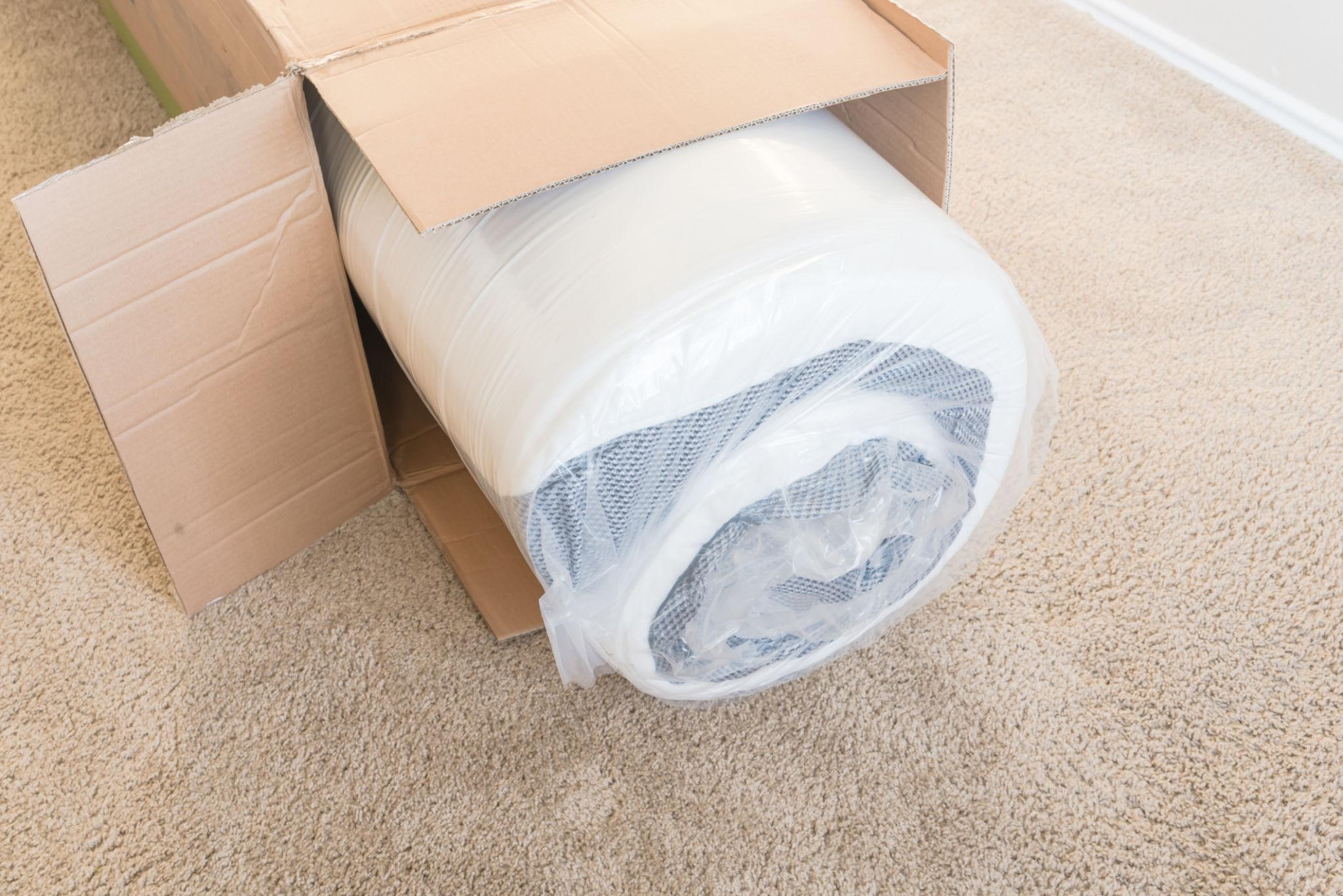
- Compression compatibility for export
These parameters allow buyers to tailor support systems to specific markets.
Common Mistakes in Zoned Mattress Sourcing
Typical issues include:
- Zones not properly differentiated (cosmetic zoning only)
- Weak mid-section support causing long-term sagging
- Poor integration between layers
- Lack of testing for pressure distribution
A reliable five zone comfort mattress is defined by measurable performance—not just internal segmentation.
Final Perspective
Comfort is not about uniform softness.
It is about controlled support.
A well-designed zoned mattress allows buyers to deliver better sleep performance, reduce complaints, and improve long-term product value across markets.
To explore full mattress systems and OEM solutions, visit:
👉 https://www.cvcastle.com/
For MOQ, customization, and project sourcing support:
👉 https://www.cvcastle.com/contact-us