

Tailored Comfort in Transit: How Custom Compressed Mattresses Redefine Modern Bedding
The Industry’s Balancing Act: Comfort vs. Cost in Distribution
In a market defined by global mobility and fast-changing demand, mattress manufacturers face a twofold challenge — achieving superior comfort while reducing logistics costs. Traditional full-size mattresses consume excessive freight space, limiting export volume and increasing per-unit costs.
Custom compressed mattresses solve this dilemma by allowing bespoke dimensions, densities, and rebound characteristics, all while maintaining logistical efficiency. For projects like hotel renovations or apartment furnishings, this flexibility translates into both operational savings and a smoother customer experience.
Compression Engineering: The Science of Made-to-Fit Comfort
A custom compressed mattress isn’t simply smaller; it’s engineered for controlled compression.
-
Density calibration ensures structural integrity across foam layers, even after months in storage.
-
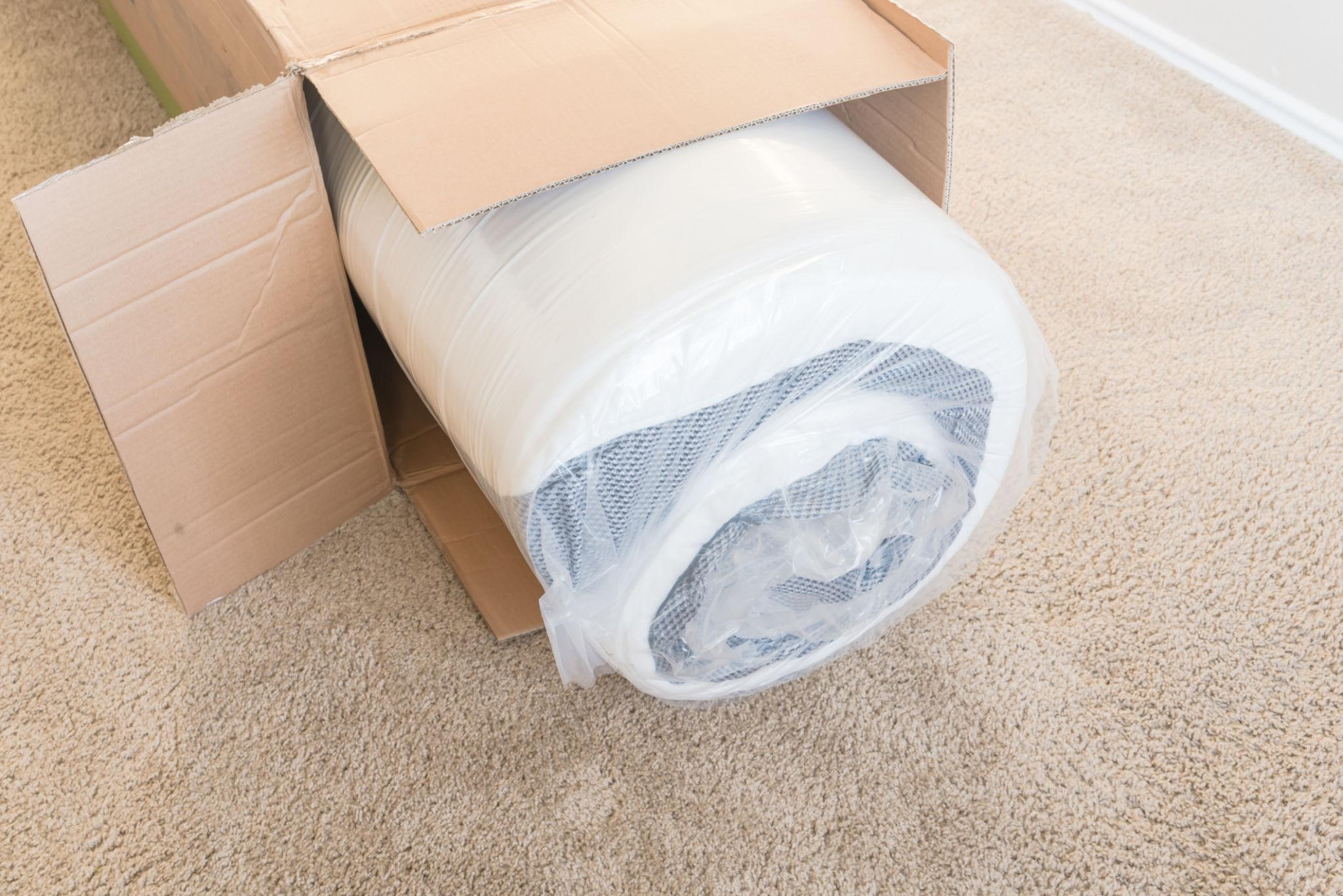
Vacuum compression expels up to 90% of air, drastically reducing packaging volume.
-
Controlled rebound mapping tracks how each layer expands, maintaining ergonomic alignment post-unboxing.
-
Hybrid material pairing (e.g., HR foam + pocket coils) optimizes balance between flexibility and support.
By tailoring compression ratios and material response, manufacturers achieve high-volume shipping efficiency without sacrificing comfort — a crucial metric for long-term durability and user satisfaction.
Comparing Traditional and Custom Compression Models
| Specification | Standard Mattress | Custom Compressed Mattress |
|---|---|---|
| Freight Volume | 150–180 units/container | 350–400 units/container |
| Foam Density Options | Fixed | Adjustable (25D–40D) |
| Compression Ratio | Single-standard | Tailored by material type |
| Rebound Rate | Generic | Tuned to application |
| Installation Time | 10–15 mins/unit | <3 mins/unit |
This customization not only optimizes product fit but also enables project-specific engineering, whether for budget hospitality chains or premium home collections.
Inside the Production Line: How Factories Deliver Custom Compression
Factories specializing in custom compression integrate digital and mechanical precision to ensure repeatable quality:
-
CAD-based mold design aligns foam curvature with compression requirements.
-
Real-time monitoring sensors track vacuum pressure and rolling force consistency.
-
Multi-stage rebound testing verifies restoration accuracy under variable climates.
-
ERP-linked traceability systems record every batch for OEM/ODM verification.
By combining adaptive automation with data-driven control, the process minimizes human error and guarantees uniformity across global orders.
Sustainability Meets Scalability in Modern Mattress Design
Custom compressed mattresses contribute to sustainable manufacturing in multiple ways:
-
Reduced Freight Emissions: Compact packaging cuts shipping-related CO₂ output.
-
Optimized Material Use: Precision foam cutting minimizes waste in production.
-
Lower Storage Footprint: Stackable packaging reduces warehousing needs.
-
Extended Product Lifespan: Compression tests simulate 3–5 years of active use before shipment.
As ESG standards become integral to procurement decisions, factories that combine comfort customization with eco-efficiency are leading the industry transition.
Choosing the Right Configuration for Different Projects
Selecting a custom compressed mattress requires alignment between application, density, and rebound characteristics:
-
Hotels and Resorts: Use dual-layer HR foam or coil hybrids to maintain consistent guest comfort.
-
Student Dormitories: Choose medium-density foam with enhanced breathability for daily durability.
-
E-Commerce Retail: Prioritize fast recovery foam that expands fully within 24 hours after delivery.
-
Luxury Residences: Opt for multi-zone ergonomic layers that adapt to varied sleep preferences.
-
Rental Apartments: Combine mid-density support with lightweight materials for cost-effective mobility.
Each configuration reflects a balance between cost, lifespan, and perceived value — helping procurement teams achieve measurable ROI on every unit shipped.
Technical Questions from Buyers and Project Managers
Q1: How is compression strength adjusted for different foam types?
Through pressure calibration systems that automatically adjust PSI levels depending on foam resilience and thickness.
Q2: Can compressed mattresses be stored long-term?
Yes. Properly vacuum-sealed models retain optimal rebound performance for up to six months under ambient storage conditions.
Q3: Does customization increase lead time?
Only marginally — digital modeling allows rapid mold adjustments without tooling delays, keeping production agile.
Q4: What testing standards ensure quality?
Factories typically comply with ISO 9001, CertiPUR-US, and REACH certifications for quality, safety, and material traceability.
Precision Engineering for the Next Generation of Sleep Systems
Custom compressed mattresses are reshaping how manufacturers approach global logistics, design efficiency, and comfort personalization. Through compression science, adaptive foam technologies, and intelligent production control, they represent the most scalable solution for modern living environments.
To discuss your OEM project or explore custom compression options, visit CVCastle’s homepage or contact us here.