

Compressed Sofa with Foam: A Practical Solution for Cost-Efficient Furniture Supply
For furniture brands and distributors, sofas are rarely difficult to sell—but they are often difficult to move. Volume drives freight cost. Inventory consumes warehouse space. Returns amplify losses.
This is where a compressed sofa with foam starts to change the equation, not as a design trend, but as a logistics-driven product strategy increasingly adopted by manufacturers focused on scalable delivery models such as those outlined on the CV Castle homepage.
Compressed sofas do not reinvent comfort. They reorganize how comfort is delivered across the supply chain. That distinction is subtle, yet critical, for B2B buyers.
Why Foam Is Central to Compression-Ready Sofa Design
Not every sofa can be compressed. More importantly, not every sofa should be.
Foam-based structures succeed in compressed applications because foam offers predictable rebound behavior under controlled pressure. Unlike loose fillings or rigid composite frames, elastic foam absorbs compression evenly and releases stored stress in a controlled way during recovery.
For buyers sourcing a foam compressed sofa, the real evaluation point is not softness.
It is structural memory—the ability of the sofa to return to its intended support profile after shipping, storage, and unpacking.
Foam Selection: Where Most Compressed Sofas Win or Fail
Many compressed sofas look acceptable immediately after unpacking.
The difference appears months later.
Foam quality determines whether seating comfort stabilizes or slowly degrades. In B2B contexts, this becomes a cost issue rather than a comfort issue. Sagging leads to complaints. Complaints lead to returns. Returns erase logistics savings.
This is why manufacturers specializing in compressed furniture place disproportionate emphasis on foam performance rather than surface aesthetics, a principle consistently reflected across CV Castle’s compressed sofa product designs showcased on its main platform.
How Compressed Foam Sofas Reduce Total Supply-Chain Cost
Cost savings do not come from one dramatic factor. They accumulate quietly.
Logistics Efficiency at Scale
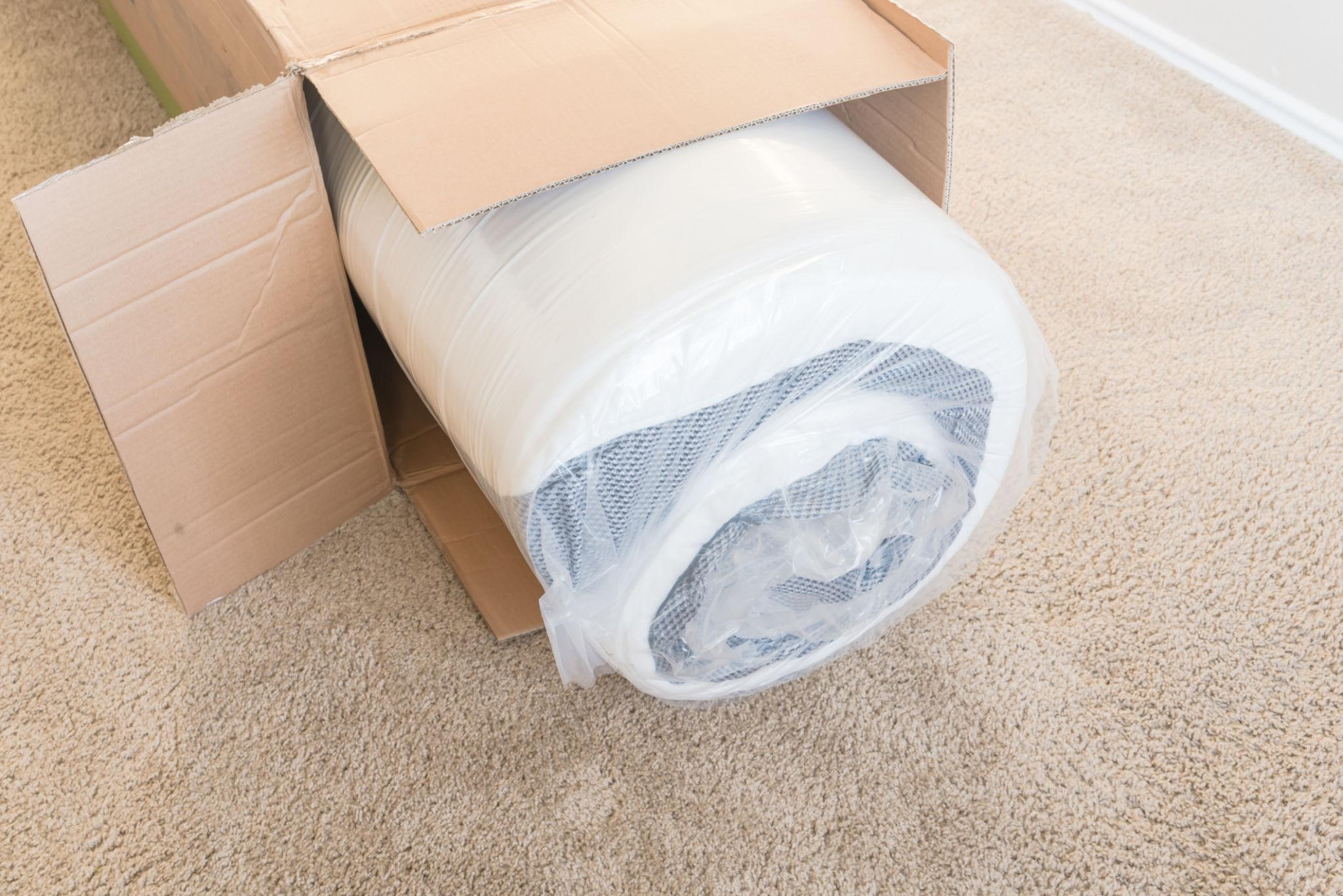
Compressed sofas occupy significantly less cubic volume during transport. This allows higher container utilization, lower freight cost per unit, and fewer shipments to support the same sales volume. For international distribution networks, this structural advantage directly impacts landed cost and pricing flexibility.
Inventory and Warehousing Impact
Traditional sofas consume warehouse space even when idle.
Compressed foam sofas, by contrast, can be stored densely and staged closer to market without excessive overhead—an operational model increasingly favored by distributors supplying multiple regions from centralized stock.
Foam Performance in Compressed Sofas (Buyer Reference)
| Foam Type | Typical Density Range | Role in Sofa Structure | Compression Suitability |
|---|---|---|---|
| High-Density Support Foam | 30–45 kg/m³ | Load bearing and shape stability | Excellent |
| Elastic Compression Foam | 25–35 kg/m³ | Rebound and recovery control | Excellent |
| Soft Comfort Foam | 20–28 kg/m³ | Surface comfort layer | Conditional |
| Low-Density Cushion Foam | <20 kg/m³ | Initial softness only | Not recommended |
This table reflects practical procurement considerations rather than marketing labels. Compression-ready sofas depend on structural foam behavior, not decorative cushioning.
Recovery Performance Is a Technical Indicator, Not a Marketing Feature
Recovery time is often framed as convenience: “How fast can I sit on it?”
For experienced buyers, recovery behavior signals something else entirely—whether internal foam stress has been released evenly.
A well-designed compressed sofa with foam recovers within a predictable window, with seating performance stabilizing after full internal relaxation. This predictability is what separates engineered compressed sofas from opportunistic designs.
When a Compressed Sofa with Foam Makes Sense—and When It Doesn’t
Compressed foam sofas are highly effective when shipping distances are long, warehouse space is limited, and product lines require repeatable scalability. They are less suitable for heavy solid-wood constructions or one-off luxury pieces where rigid craftsmanship defines value.
Clear boundaries build trust. Overgeneralization does not.
What Serious Buyers Clarify Before Sourcing
Procurement teams typically confirm:
-
Compression cycle tolerance
-
Recovery performance after long-term storage
-
Density consistency across production batches
-
Compression pressure control standards
Suppliers who can document and explain these points transparently tend to be the ones worth deeper engagement.
Final Perspective: From Product Choice to Supply-Chain Strategy
A compressed sofa with foam should not be evaluated as a novelty product.
It should be evaluated as a supply-chain optimization tool.
When foam structure, compression control, and recovery behavior align, compressed sofas reduce logistics friction without compromising user experience. For B2B buyers assessing long-term sourcing strategies, exploring manufacturers with proven compressed furniture systems—starting from their core capabilities on the official CV Castle website—is a logical first step.
If you are currently evaluating compressed sofa options for bulk sourcing, OEM development, or cross-border distribution, discussing material structure, compression standards, and recovery testing directly with a supplier can clarify whether this approach fits your operational model.
You can reach the CV Castle team directly via the Contact Us page to explore feasibility and next steps.