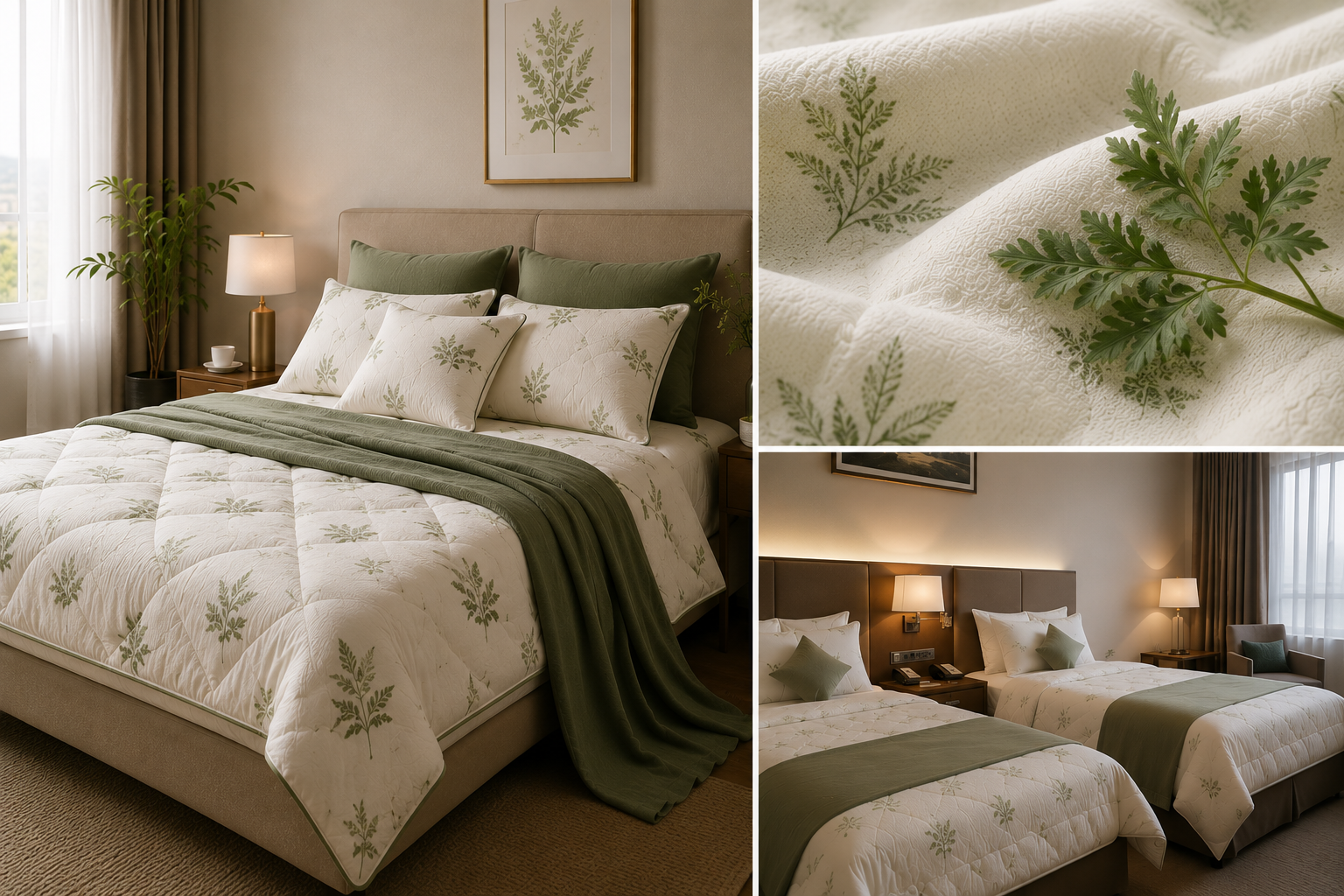


The Modern Living Challenge: Space vs. Comfort
Urban lifestyles have redefined interior design priorities.
Buyers today expect furniture that fits compact spaces, arrives efficiently, and lasts long—without sacrificing comfort.
However, traditional home furniture creates common frustrations:
-
Bulky packaging drives up shipping costs.
-
Storage inefficiency limits distribution and warehousing flexibility.
-
Assembly complexity deters consumers and increases labor time.
Compressed home furniture provides a solution that merges comfort, sustainability, and logistics efficiency into one innovation.
How Compression Technology Works
Compression technology revolutionizes how furniture is packed, stored, and delivered.
Key stages include:
-
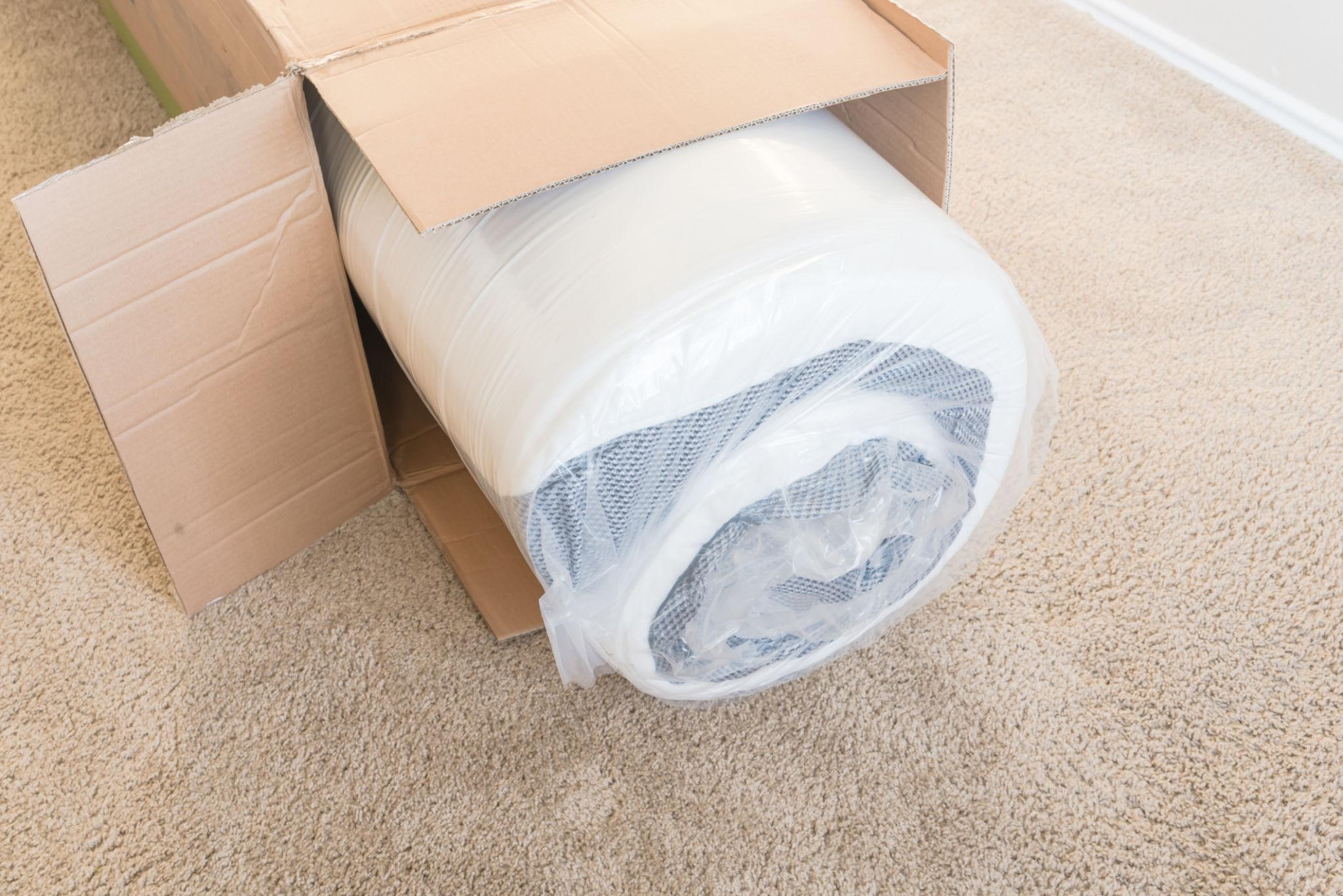
Vacuum Extraction – Air is removed to reduce overall product volume by up to 70%.
-
Material Resilience Testing – Foam, fabrics, and frames are tested to ensure they retain form after decompression.
-
Sealed Packaging – Specialized vacuum film maintains compression during transport and storage.
-
Fast Recovery – Once unsealed, the furniture restores its original shape within hours.
This system minimizes waste, accelerates logistics, and ensures furniture arrives factory-fresh, compact, and ready for use.
Traditional vs. Compressed Home Furniture
| Feature | Traditional Furniture | Compressed Home Furniture |
|---|---|---|
| Packaging Volume | Large and rigid | Up to 70% reduced size |
| Shipping Costs | High per unit | 30–50% savings on logistics |
| Assembly | Manual and time-consuming | Simple or no assembly required |
| Material Recovery | Fixed shape | Elastic rebound structure |
| Storage Efficiency | Space-intensive | Stackable and compact |
| Environmental Impact | Higher footprint | Lower emissions via optimized logistics |
The result: a smarter, leaner furniture system optimized for modern home and export markets.
Material Innovation: Comfort That Expands on Demand
Each product is built from compression-friendly yet durable materials engineered for fast recovery:
-
High-Density Foam & Polymer Sponge – Maintain resilience under compression.
-
Corduroy & Linen Fabrics – Breathable and visually appealing.
-
Pure Wool & Oxygen Cotton Layers – Provide long-term softness and thermal balance.
-
Solid Wood or Aluminum Frames – Ensure durability through repeated compression cycles.
This balance of material strength and softness ensures comfort is never compromised, even after long-distance shipping.
Where Compressed Home Furniture Excels
Compressed home furniture fits multiple residential and commercial settings where efficiency meets design:
-
Urban Apartments: Compact designs maximize space in tight living areas.
-
Student Dorms: Easy setup and cost-effective delivery for bulk housing.
-
Serviced Residences: Replaceable and reconfigurable modular sets.
-
Retail & E-commerce: Lower freight costs and faster fulfillment cycles.
-
Vacation Homes: Furniture that’s easy to ship, install, and store seasonally.
Across these scenarios, compressed home furniture provides the perfect blend of functionality, style, and logistics efficiency.
Choosing the Right Compressed Furniture
| Usage Scenario | Recommended Type | Material System | Key Advantage |
|---|---|---|---|
| Small Homes | Compressed sofa | High-density foam + corduroy fabric | Comfort + compact storage |
| Rental Units | Modular compressed set | Sponge + polymer frame | Cost-effective, easy assembly |
| Hotels | Compressed armchair + sofa | Oxygen cotton + wool | Premium comfort, low logistics cost |
| E-commerce Sales | Vacuum packed sofa | Soft elastic foam + latex | Compact shipping + fast rebound |
| Export Projects | Full room set | Mix materials + aluminum frame | Lightweight + high durability |
This guide helps distributors and developers choose designs aligned with space, budget, and operational needs.
Key Buyer Questions About Compressed Furniture
Q1: How long does decompression take after unsealing?
Typically within 2–6 hours, depending on ambient temperature and material type.
Q2: Will compression affect furniture lifespan?
No. Materials like high-density foam and sponge are tested for repeated compression cycles without loss of elasticity.
Q3: Can compressed furniture support OEM branding?
Yes. CV Castle offers OEM customization for materials, packaging, and labeling to fit global retail and project standards.
Q4: Is compressed furniture suitable for long-term residential use?
Absolutely. It’s built for daily use durability, combining comfort with high structural stability.
CV Castle: Compact Comfort for Global Homes
At CV Castle, we specialize in compressed home furniture that redefines how comfort, shipping, and space efficiency coexist.
Our designs are developed for real-world living — easy to transport, simple to unpack, and made from materials that last.
Explore our full collection on the CV Castle homepage or connect with our experts through the Contact Us page for OEM and project-based solutions.